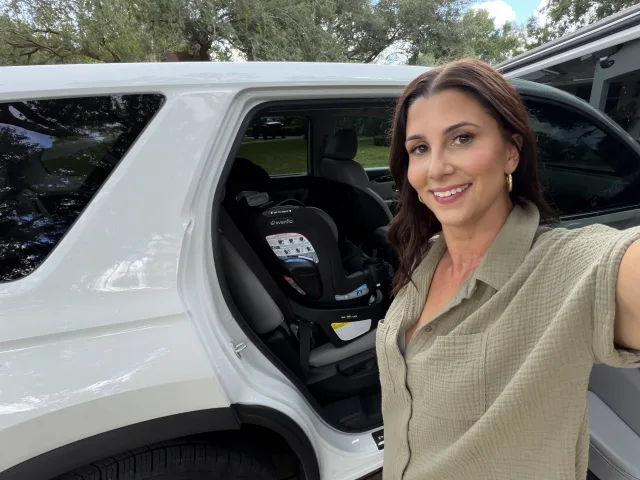

All car seats in the United States (infant, convertible, forward-facing only, and boosters) are crash-tested to make sure they are safe for your child. The tests are done by simulating a car crash at 30 miles per hour. This is done to make sure that the car seat in the back seat can protect your child in case of an accident.
The tests are based on a set of rules called Federal Motor Vehicle Safety Standard 213 (FMVSS 213). These rules are made by the National Highway Traffic Safety Administration (NHTSA). The FMVSS 213 requires that a child restraint system pass a dynamic test simulating a 30 mph frontal impact. This means that the car seat is tested to see if it can protect your child in a head-on collision.
Car Seat Crash Testing: To the Regulations and Beyond!
Current US Car Seat Regulations
By the end of 2026, all new car seats will also be required to meet side impact standards and new frontal standards. In this first section, we will discuss the current frontal crash test regulations.
What Is a Car Seat Test?
Each car seat is tested multiple times in different configurations. It has to be tested in each recline position, with each installation method, and with each dummy size that correlates to the size of the child that can use the car seat.
The seat needs to withstand a simulated frontal collision while maintaining the structural integrity of components like the harness and the shell. This means that the car seat must effectively distribute crash forces and offer good support to the head, neck, and body to minimize injury in a frontal collision.
This also involves dynamic testing, which is essentially a crash test where a dummy representing a child is placed in the car seat. During this test, the seat must show that it can keep the child safely within the seat boundaries during a simulated crash while meeting criteria regarding head and chest excursion limits.
Car Seats With the Highest Safety Ratings
The crash test results are not publicized, but Clek and Babyark do show the results of their convertible car seats on their websites. Since they are the only car seat manufacturers that publish their results, it’s impossible for certified child passenger safety technicians to tell you which car seat is the safest or has the highest safety rating.
Labels and Instructions
Car seats should have clear, easy-to-read labels with essential safety information and warnings. The required information includes the model number, date of manufacture, weight and height limits, and basic installation instructions.

The instruction manual must guide caregivers through the setup, installation, and proper use of the seat.

It must also tell you how to register your car seat for safety recalls. Recalls can be for things as simple as forgetting a label. Check out our blog post about car seat recalls here. When you purchase a child safety seat, it comes with a registration card. You can fill that out and mail it or you can go on the manufacturer’s website to register your car seat. Want to ensure your child's car seat is properly registered? Check out our in-depth guide on how to register your car seat for safety updates and recalls!

Material Requirements
Car seats must be able to withstand temperatures ranging from -25 degrees Fahrenheit to 160 degrees Fahrenheit. The fabrics must also meet flammability requirements and be able to withstand an open flame for at least 60 seconds without catching fire. You can read more about car seats and flame-retardant chemicals here.
Buckles, straps, and adjustments must be durable enough to withstand general wear and tear and still perform well during a crash. This means that these components must still work after being peed on or vomited on!

Fit and Compatibility
The seat must accommodate children within specific age, height, and weight ranges.


Provisions for multiple installation options should be present, ensuring compatibility across a wide variety of vehicle makes and models. Currently, seats must be able to be installed with lower anchors, lap-only belts, and lap-and-shoulder belts.


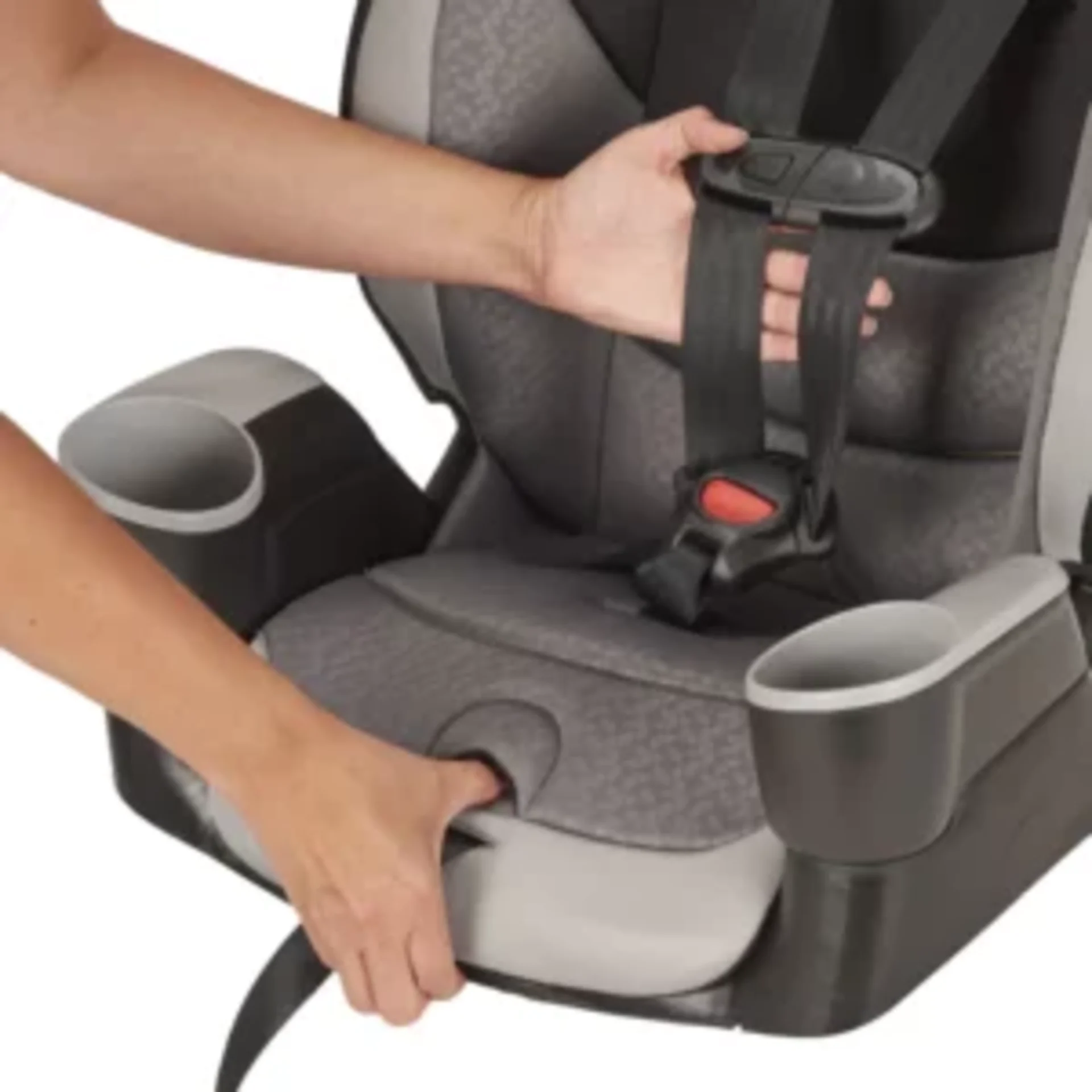
The seat’s harness straps should be easy to adjust for a snug fit around your child as they grow. Some manufacturers add no-rethread harnesses to their seats to make adjusting the seat easier.

User Experience
Adequate padding should be present but should not impede the safety functionality of the seat.

Straps and buckles should be easily reachable and simple to lock and unlock for the parent but difficult for the child to tamper with.
Installation Features
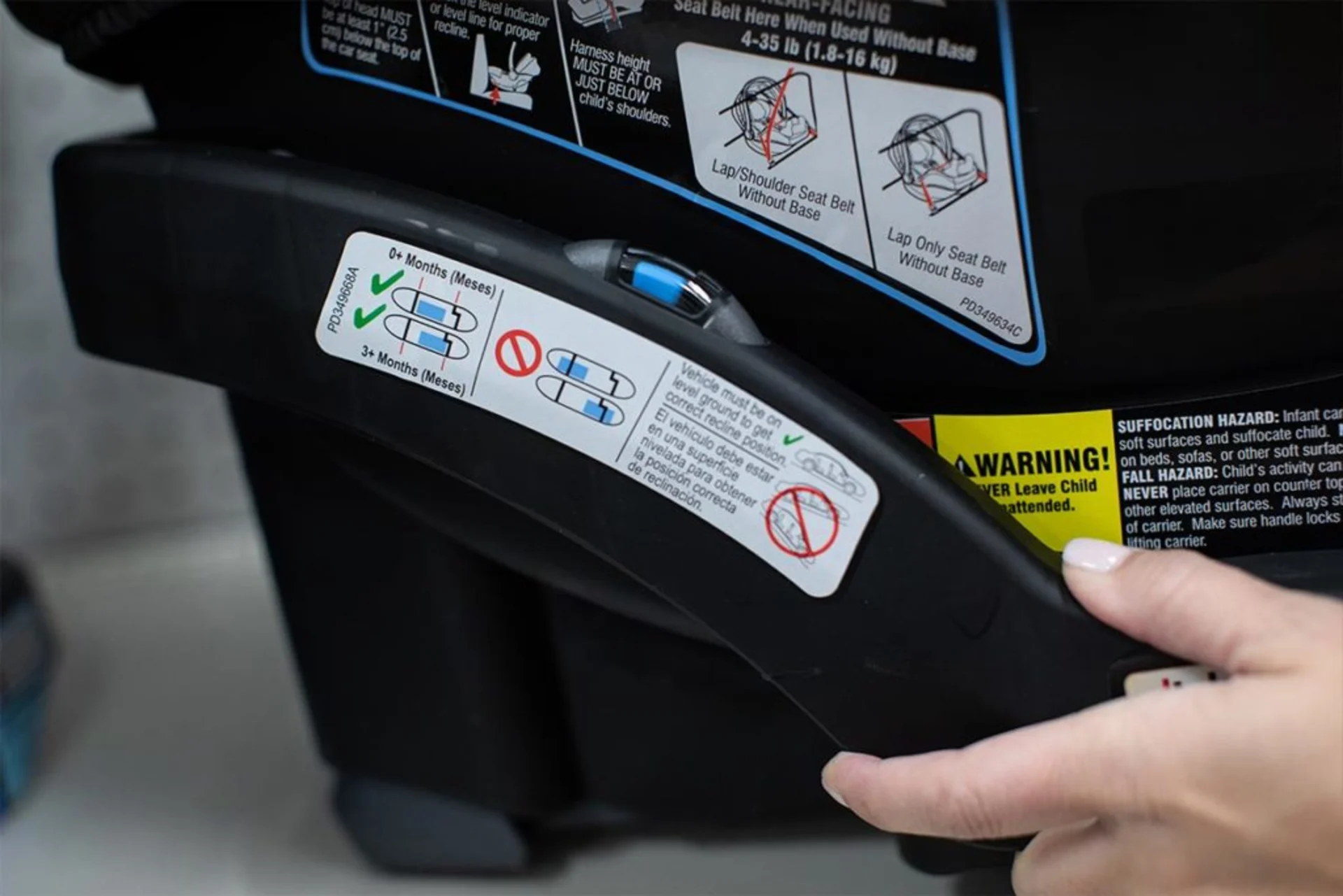
Features such as level indicators or auditory click signals are advisable to facilitate correct installation.
Level indicators ensure that you get the right angle for a rear-facing car seat. A handful of forward-facing car seats have them as well. Britax’s ClickTight mechanism is an ease of installation feature for the seat belt that does have an auditory click to know you have shut the panel properly.

The car seat should meet standards for Lower Anchors and Tethers for Children, offering an alternative to conventional seat belt installations. This includes the top tether. All forward-facing seats must pass testing with and without the top tether in use. But it’s highly recommended to use it as the standard for passing without the top tether is much lower and we know that not using it increases the risk of injury for a child.


Additional Features
Add-ons like cup holders, canopies and storage pockets should not compromise safety features or serve as potential projectiles.


Additional Testing
In addition to passing the crash test regulations, infant car seats must also be compliant with the Safety Standard for Hand-Held Infant Carriers, which comes from the Consumer Safety Product Commission. Some of the requirements on these infant-only seats are to be compliant include having a handle that locks into position, having no sharp edges, and have warnings to caution caregivers about fall, suffocation, and strangulation hazards.
Some manufacturers include car seat features that are not regulated by the standards such as anti-rebound bars and load legs. The FMVSS 213 crash rig design does not feature a floor, so the seats must pass testing without the load leg in use. The manufacturers will use a separate crash test rig design that does have a floor to test how the seats do with the load leg in use. Due to the extra features that may be added to a seat, car seat manufacturers have to do many extra crash tests to ensure that they are comfortable with how their seat performs.
Upcoming Changes in the Regulations
Labeling Changes
The labeling changes have already taken effect. The main change is to raise the forward-facing minimum weight limit to at least 26.5 pounds, although some manufacturers are setting the minimum weight at 30 pounds for their seats. This is designed to keep the child in a rear-facing position for a longer period of time. All boosters must also have a minimum weight of 40 pounds, but all of the manufacturers have already changed over to this as far as we are aware of.
Side Impact Testing
All seats must comply with the side impact testing regulations by Deceber 5, 2026. All seats that can be used by children up to 40 pounds and 43″ will be required to pass the side impact test. Due to this, you will see boosters with a higher height minimum of 43″.
Any seat that has weight limits between 30 pounds and 40 pounds or height limits between 34″ and 43″ must use the 3 year old dummy for crash testing. This is why you will see infant seats start to have 30 pound maximum limits to avoid testing with the 3 year old dummy.
These changes may also result in thicker headrests and wider seats to pass the side impact testing. You can find more information here.
Future Changes to the Frontal Crash Regulations
By December 5, 2026, all seats will comply with the new frontal crash regulations as well. These have not been fully decided upon yet, so we will update this blog post when we know more!
Car Seat Crash Ratings
Consumer Reports
Consumer Reports rigorously tests car seats for various factors, prominently including Ease of Use and Crash Test performance. Ease of Use is important because the easier a seat is to use correctly, the more likely caregivers are to install and utilize it properly, enhancing child safety. To decide how easy a seat is to use, Consumer Reports assesses factors like the clarity of manufacturer’s instructions, simplicity of installation, and adjustment mechanisms. Consumer Reports also conducts crash tests with the seats. They use different criteria than the ones required by the federal government. The Consumer Report test bench is updated to be more similar to how vehicle seats today are made and they test at a higher speed as well. Car Seat manufacturers often utilize the information that Consumer Reports puts out to refine their designs. This could mean changing wording in the instruction manuals or even changing structural parts on the car seat.
Baby Gear Lab
Baby Gear Lab has very recently chosen to disclose how they crash-test the car seats. It appears to be similar to how Consumer Reports tests seats as well. You can find more information about how they test seats here.
These car seat safety standards are essential in keeping your kids safe in the seat.
For more information on our recommendations for the best seat for your child’s age, head over to our Car Seat Finder Tool or book a 1:1 Consultation with one of our experts.