A car seat is one of the most important pieces of gear you'll buy for your children. It's also one of the priciest, which is exactly why so many parents wonder what to do with it once their little one moves on to the next stage. Reselling feels like the obvious answer.
However, car seats aren't like a used stroller or a bin of outgrown onesies. Safety history, condition, and expiration all come into play, which makes the question "Can you resell car seats?" more complicated than it first appears.
If you've been hanging out with us for a while, you know we don't shame around here; instead, we clarify! So let's walk through whether you can resell car seats and why asking this question matters so much. This way, you can feel confident about your next step, whether that means reselling or retiring your car seat.
Quick note on who "we" are: Safe in the Seat was founded in 2018 by Michelle Pratt, a Nationally Certified Child Passenger Safety Technician (CPST), which is a professional trained specifically in car seat safety and correct installation. Our team blends CPST expertise with real-mom perspective, and that combination shapes everything below.
Can You Resell Car Seats? What to Know Before You Shop
The short answer is yes, you often can. However, selling a used car seat requires more care than selling most secondhand baby items. With a bouncer or a play mat, the worst-case scenario is usually a stain. With a car seat, the stakes are a child's protection in a crash.
Safety here depends on three things: the seat's condition, its history, and how well it's been maintained. A seat that looks perfect can still be unsafe if it's expired, has been in a crash, or is missing parts. That's why responsible reselling comes down to a handful of honest checks.
Checking expiration dates, verifying recalls, inspecting for damage, and accurately representing the seat's condition all help you make a safer, more responsible decision before you resell or donate a used car seat. Think of it this way: you're not just clearing space, you're handing another family a piece of safety equipment. That deserves a little extra diligence
How Long Do Car Seats Last?
Car seats don't last forever, and that surprises a lot of parents. Most seats carry an expiration date, and it exists for good reason. According to the National Highway Traffic Safety Administration, manufacturers of newer child seats provide expiration dates that typically range from six to eight years from the date it was manufactured. Some booster seats and infant carriers can fall in a slightly wider range depending on the brand.
So, why do they expire at all?
Car seats are made from petroleum-based plastics, which are excellent for producing a strong, reliable child restraint, but are subject to degradation from environmental factors. Add in evolving safety standards and updated designs, and an older seat may simply not offer what a newer one does.
More often than not, you can find the car seat expiration date on a sticker posted on the back of the shell. In some cases, the expiration date is embossed directly into the plastic. The manufacture date and model number usually live on that same label, and the expiration is nearly always spelled out in the manual too. If a seat has no expiration label at all, treat it with extra caution.
.jpg)
Is It Illegal to Sell Used Car Seats?
Reselling car seats is legal in many places. However, legality does not automatically mean every seat is safe to reuse, and that distinction matters more than the law alone.
Laws regarding car seats vary depending on your location, so it's worth a quick check of your state or local guidance. As a general rule, selling a used car seat is legal as long as you don't knowingly misrepresent its condition. Selling an expired, recalled, or crash-involved seat while claiming it's in good working order is where a seller crosses a serious line, both ethically and potentially legally.
The bigger point is this: the law is a floor, not a finish line. Even a legal sale can put a child at risk if the seat isn't safe. This is why we always encourage parents to hold themselves to the safety standard, not just the legal one.
How to Sell a Used Car Seat
If your seat passes the safety checks, selling it can be a good thing for another family. Follow these steps in order so nothing important slips through:
Step 1: Check the Expiration Date and Recall Status
Confirm the seat hasn't expired, then verify it hasn't been recalled. Additionally, ensure the seat has a label with the model number and date of manufacture so you can check with the manufacturer or NHTSA for any recalls. If it's expired or has an unresolved recall, stop and skip to recycling.
Step 2: Inspect for Cracks, Damage, or Missing Parts
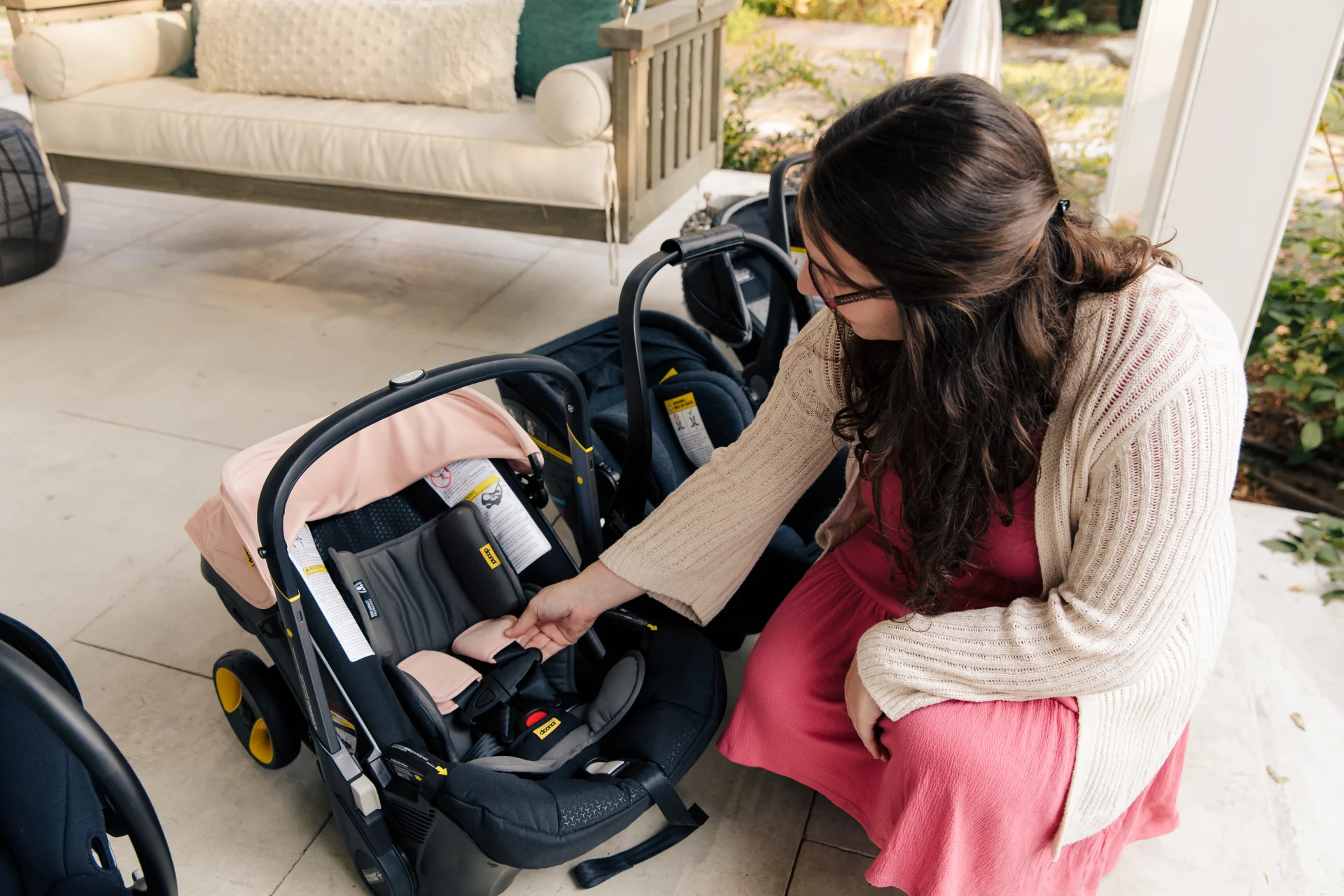
Only pass along a car seat that’s in good, working condition and has all its original parts. The seat should not have any visible cracks, unusual bends, or broken or missing parts. Run your hands over the shell, check the harness, and test the buckle. One missing part can compromise the whole system.
Step 3: Confirm There's No Accident History
A car seat must never have been involved in a moderate-to-severe car accident, because the impact of a crash, even if not visible, can compromise the structural integrity of the seat. If you can't personally vouch for the seat's full crash history, don't sell it.
Step 4: Clean Using Manufacturer-Approved Methods
Before selling your seat, make sure you clean it; but don’t just use any standard cleaner. More specifically, never wash the harness straps with detergent, disinfectants, or bleach, as this can damage the harness's ability to hold up in a crash. Instead, they should only be cleaned according to the car seat manual, or replaced if they become too dirty.
Step 5: Gather Manuals and Original Accessories
You need the manufacturer's instructions so the next family knows how to install and use the seat correctly. If you lost it, don’t stress just yet! The next owners can find the same instructions over on the manufacturer’s website. Also, round up any base, infant insert, or accessory that came with it.
Step 6: Photograph the Labels, Straps, and Seat Condition
Clear photos build trust and set honest expectations. Capture the expiration and manufacture-date label, the harness and buckle, the shell from multiple angles, and any wear. Good photos protect both you and the buyer.
Step 7: Write an Accurate Condition Description
Describe the seat exactly as it is, wear and all. Note how long you owned it and whether you were the original owner, since a seat with a single, known caregiver carries a clearer history.
Step 8: Include the Manufacture Date and Model Number
List these details right in your description. They let the buyer verify the expiration timeline and check for recalls independently, which is exactly what a safety-conscious parent will want to do.
Step 9: Disclose All Wear, Defects, or Replacements
Be upfront about everything: a faded strap, a replaced part, a scuff on the shell. Honest disclosure isn't just courteous; it's the standard that keeps a resale ethical and legal.
Step 10: List on Trusted Resale Platforms
Choose reputable marketplaces where you can communicate directly with buyers. Steer clear of anonymous, cash-only situations where the seat's history can't be discussed.
Step 11: Meet Buyers in Safe Public Locations
Arrange handoffs in well-lit, public spots, ideally somewhere with cameras. This protects you as a seller and keeps the whole exchange low-stress.
Step 12: Remove the Listing Immediately After Sale
Once the seat is sold, take the listing down right away. This avoids confusion, duplicate inquiries, and any chance of a mixed-up second sale.
If any of these steps feel like a lot to navigate solo, that's normal, and you don't have to manage it alone. Our Talk to a Tech service lets you ask a question, send a photo or video, and get expert eyes on a seat before you buy, sell, or install it. Sometimes a two-minute check from a CPST is all the peace of mind you need.
Can You Donate Used Car Seats?
Yes, and donating is a wonderful option when a seat is actually safe to pass on. The catch is that the exact same rules apply. A donated seat must be unexpired, free of damage, never in a moderate-to-severe crash, complete with all parts, and not under any open recall.
Many local organizations, shelters, and family programs welcome car seats that meet those standards. Some do have their own restrictions, so it's worth calling ahead. However, if a seat wouldn't be safe to sell, it isn't safe to donate either.
What to Do With Used Car Seats You Can't Sell
Not every used car seat should be sold or donated, and that's okay. Seats that are expired, damaged, recalled, or involved in a crash should be recycled or disposed of properly instead of being passed on. This is where you truly control the controllable: you keep an unsafe seat from being used.
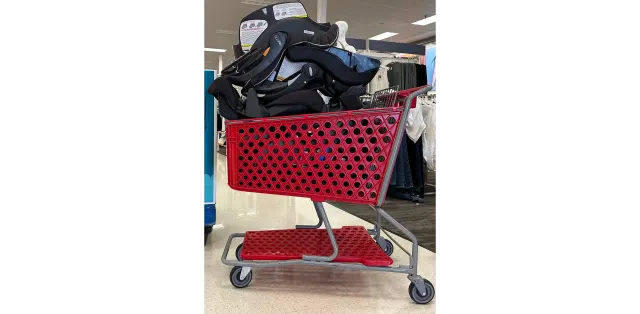
The good news is that recycling has never been easier. Some retailers like Target run trade-in events, and dedicated programs will break a seat down to its raw materials. It's worth doing, too. Approximately 12 million car seats are sold each year, and roughly 29.6 million pounds of car seat material ends up in landfills.
By recycling, donating, or trading in your old car seats, you can help keep approximately 180 million pounds of valuable material out of landfills each year.
For the how-to, our full guide to car seat recycling walks you through your options step by step. And if you're specifically dealing with a seat that's aged out, our guide on what to do with expired car seats covers safe disposal in detail.
Time for a New Seat?
Discover the perfect car seat for your child at the best price with our free tool - oh, and it only takes two minutes!
Making a Confident Choice About Reselling Your Car Seat
Reselling a car seat is absolutely possible when the seat is safe, honestly represented, and free of any history you can't vouch for. What matters most is protecting the next child as fiercely as you protect your own, whether that means listing the seat, donating it, or recycling it responsibly. Remember, too, that safety doesn't stop the moment a seat is installed; correct use on every single ride is what keeps children protected.
Want more car seat guidance delivered without the overwhelm? Join the Safe in the Seat newsletter for practical, fact-based tips you can actually use, and follow along on our Instagram where we break down car seat safety every day. And don’t forget, you can also grab our Convertible Buying Kit to make future car seat purchase decisions a little bit easier. You're doing the research and asking the right questions, which already makes you the kind of parent your kids are lucky to have.
Affiliate disclosure: This post may contain affiliate links. If you purchase through one of our links, Safe in the Seat may earn a small commission at no additional cost to you. See our full disclosure in the site footer.
Medical disclaimer: This content is for educational purposes only and is not a substitute for professional or medical advice. Always follow your car seat and vehicle manufacturer instructions, and consult a Certified Child Passenger Safety Technician for guidance specific to your child and vehicle.