There are few things more fundamentally American than a road trip. You’d be hard-pressed to find a family without fond memories of at least one cross-country journey together! And it’s not hard to see why. There are plenty of reasons they’re so popular here in the States.
Aside from the vast distances between destinations, we also operate on a car-centered infrastructure. Of course, people are still traveling by boat, plane, and train. However, traveling by vehicle is far more affordable than other forms of transportation. Because of this, road trips are among the easiest and most accessible ways to explore the country.
But just because it’s one of the most practical ways to travel doesn’t mean it doesn’t require careful planning and consideration. To make your journey equal parts safe, efficient, meaningful, and fun, you need the strategy. In this post, we’ll give you all the tips and tricks for the perfect road trip with your family.
50+ Family Road Trip Ideas to Beat Boredom and Make Memories
A great family road trip takes a little planning, creativity, and the right mindset to keep everyone safe, engaged, and excited along the way. The good news is that the effort pays off. Road trips create space for meaningful conversations, spontaneous stops, shared adventures, and the kinds of memories families talk about for years.
Here’s why it’s important to go on road trips with your family, and how you can make the most of them, regardless of your destination:
Why Go on Road Trips with the Family?
More Affordable Than Flying
When traveling as a family, road trips are often one of the most affordable ways to reach your destination. This is especially true when you consider that every child, including infants, should have their own seat on a plane for safety reasons.
Driving costs roughly $0.60 per mile, while domestic flights typically cost $150–$350 per person. That means for a 500-mile trip, a family of four might spend about $300 on transportation costs, compared to $600–$1,400 on airfare alone for the same journey.
It’s true that trains and buses can be cheaper, but they’re not as accessible or practical for vacationing families. For all these reasons, road trips are one of the best ways to travel!
Reduces the Stress of Airports and Flights
There’s a lot about flying that’s stressful with kids. It’s definitely manageable, but getting through security, maintaining tight schedules, and lugging car seats on and off planes can be a big hassle. Traveling by car allows for more flexibility, a more familiar environment, and simpler logistics.
Allows you to Be More Spontaneous
On that same note, driving gives families the freedom to shape the trip however they want. You’re not locked into flight schedules, boarding times, or fixed routes. If you want to take a scenic detour, spend an extra night somewhere interesting, or stop at a roadside attraction you didn’t plan for, you can easily adjust your plans.
You can take the long way, explore small towns along the way, or pull over whenever something catches your eye. That kind of flexibility often turns the journey itself into part of the adventure.
Explore More Places in One Trip
When flying, you leave one destination and arrive at another. However, when driving, you pass through dozens, or even hundreds, of towns, parks, and landmarks to reach your final stop. Those little moments of exploration turn the journey into a series of smaller adventures along the way!
Instead of seeing just one destination, your family might discover scenic viewpoints, charming small towns, historic sites, or local restaurants. Not only does this break up the car ride, but it also often becomes one of the most memorable parts of the vacation.
Kids Find the Journey Exciting
Depending on the age of your child, they may find the drive just as exciting as the destination itself. Long drives can feel like a special event, complete with road trip snacks, favorite playlists, travel games, and the novelty of watching the scenery change outside the window.
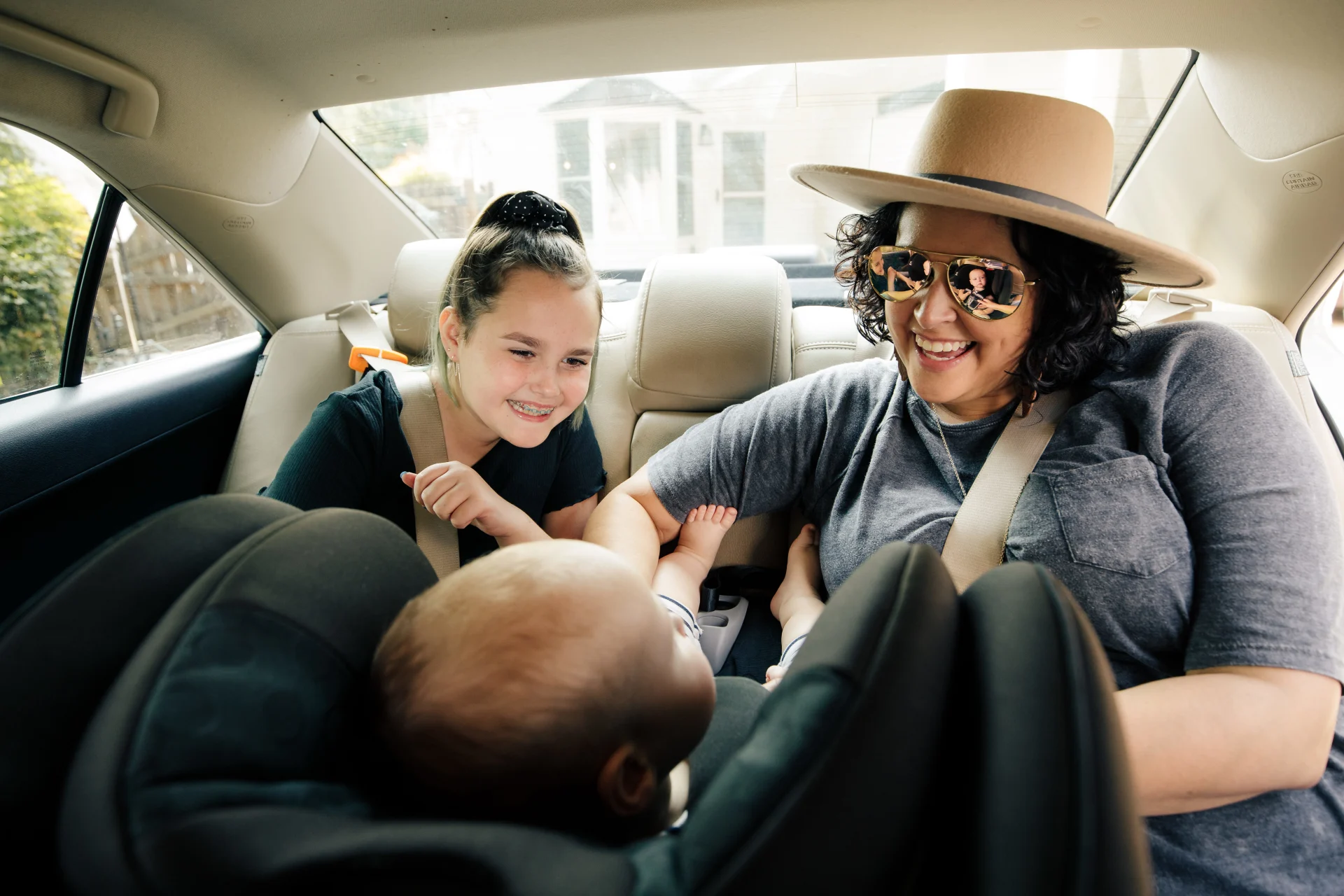
Plus, they’ll love the quality time with you and the rest of the family members. Rather than being distracted by work or hectic schedules, everyone just gets to enjoy one another’s company.
Encourages Curiosity and Learning
Road trips offer countless opportunities for kids to learn about the world around them. As you travel through different states, your kids will see various landscapes, cultures, and communities generally unfamiliar to them. Because of this, it’s an excellent way to inspire questions and conversations along the way.
As a parent, you can use these moments to teach your children about geography, history, and nature in a fun, memorable way. This can help the whole family develop a broader understanding and deeper appreciation for the country we live in.
Maximizes Quality Time Together
Does driving take longer than flying? Yes, and we know how you could see this as a negative. That said, we want to challenge you to see the positive side of it too! These long stretches of uninterrupted family time give you a chance to talk, laugh, play games, and enjoy each other’s company for hours on end. After all, that’s kind of the point of the trip!
On a flight, strict etiquette rules, restrictive seating arrangements, and the general hassle of the experience can make it harder to truly relax and connect. In the car, however, your family has the space and freedom to settle in and enjoy the ride. The journey itself often becomes part of the memory!
Builds Family Traditions
Over time, family road trips can grow into traditions your kids look forward to year after year. Maybe it’s stopping at the same roadside diner on the way to the beach or playing the same travel games on every long drive. Or maybe it’s as simple as letting each family member choose a playlist for part of the trip. These small rituals add personality and familiarity to your travels, making each journey feel special.

Family Road Trip Destination Ideas
Cities That Are Great for Families
- San Diego, California
- Chicago, Illinois
- Nashville, Tennessee
- Charleston, South Carolina
- Denver, Colorado
- Boston, Massachusetts
- San Francisco, California
National Landmarks and Historic Destinations
- Washington, D.C.
- Mount Rushmore, South Dakota
- Gettysburg, Pennsylvania
- Colonial Williamsburg, Virginia
- The Alamo, Texas
- Independence Hall, Philadelphia
National Parks
- Yellowstone National Park
- Yosemite National Park
- Grand Canyon National Park
- Zion National Park
- Great Smoky Mountains National Park
- Glacier National Park
Beaches and Coastal Destinations
- Outer Banks, North Carolina
- Myrtle Beach, South Carolina
- Destin, Florida
- Gulf Shores, Alabama
- Cape Cod, Massachusetts
- Cannon Beach, Oregon
- Big Sur, California
Lakes and Outdoor Adventure Spots
- Lake Tahoe, California/Nevada
- Flathead Lake, Montana
- Lake George, New York
- Lake of the Ozarks, Missouri
- Finger Lakes, New York
- Lake Placid, New York
Scenic Small Towns
- Bar Harbor, Maine
- Sedona, Arizona
- Jackson Hole, Wyoming
- Gatlinburg, Tennessee
- Leavenworth, Washington
- Estes Park, Colorado
Theme Parks and Family Attractions
- Walt Disney World, Florida
- Disneyland, California
- Universal Orlando Resort
- LEGOLAND California
- Hersheypark, Pennsylvania
- Dollywood, Tennessee
How to Plan a Family Road Trip
Step One: Prioritize safety above all else.
When planning your road trip, safety is everything. Although driving is one of the most cost-effective and efficient ways to get where you’re going, it’s also one of the most dangerous. If you’re interested, we have an entire guide for preparation: “Safe Ways to Travel: A Practical Guide for Domestic Vacations.” But with so many drivers on the road, vehicle accidents aren’t uncommon.
For optimal road trip safety, make sure you consider these tips:
- Don’t travel by RV. If you do bring an RV, have one parent in the RV and the rest of the family in a separate vehicle. Here’s more on why RVs are unsafe.
- Be mindful of projectiles. Keep heavier items packed away and ensure you strap down your luggage. For more information, read this about the risk of loose objects becoming projectiles.
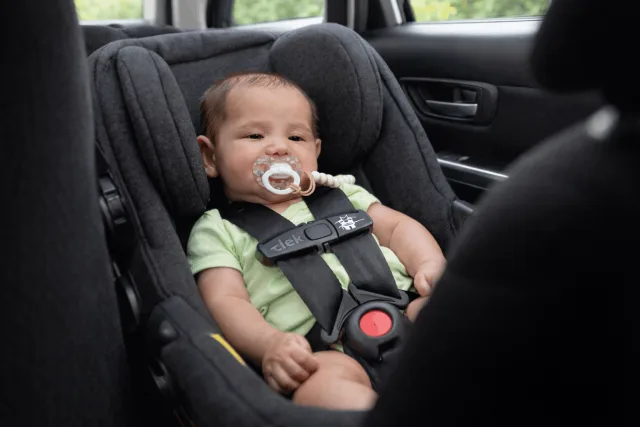
- Double-check car seat installation before you leave. Make sure you’ve installed everything correctly, and you’ve adjusted each seat to your child’s current age, height, and weight.
- Avoid overnight driving even if you want to drive while the kids are sleeping. The roadways are significantly more dangerous at night.
- Secure your pets safely, too. Dogs and cats shouldn’t be left to roam the vehicle freely during a drive. Here’s how to travel with a pet in the car safely.
Step Two: Set your budget and explore options.
Next, set your projected road trip budget. Most importantly, you need to establish your overall spending goal. Afterwards, you can create a general idea of transportation, logging, food, and activity costs. Once you’ve got that, select a few destination options that are in your price range.
Step Three: Choose your destination as a family.
Once you have your options, have a family meeting to choose where you’re going. Getting kids in on the trip planning is a good idea because it helps reduce frustration or meltdowns on the drive. Since they helped plan the trip, they’re more invested in making it a good experience for the whole crew.
Step Four: Plan your route and excursions.
With a destination in mind, now it’s time to plan the route. Look at various route options and choose the one that works best for your family. We recommend that you don’t just pick the most straightforward course. Instead, look for one with interesting or fun landmarks, playgrounds, eateries, scenic viewpoints, and unique roadside attractions! Once you have the route figured out, download offline maps in case you lose service while navigating.
Step Five: Set a realistic (and flexible) timeline.
Use whatever your maps app lists as the estimated travel time as a starting point for your itinerary. But don’t expect to arrive in that exact amount of time. You’ll have plenty of stops for meals, bathroom breaks, excursions, and stretching your legs along the way.
With this in mind, extend the travel duration by a significant margin. Also, consider breaking the drive into multiple days if you’re traveling more than six hours.
Step Six: Prepare your vehicle and weather-appropriate emergency kit.
Having your car break down or getting caught in dangerous weather are probably some of your biggest road trip fears. To give you peace of mind, inspect your vehicle for common issues, and learn what to do in an emergency roadside stop. And pack (or repack) an emergency kit that can handle all the following:
- Vehicle Breakdowns
- Flat Tires
- Severe Weather
- Minor Injuries
- Car Sickness
- Poor Visibility
For a complete roundup, here’s our road trip packing list.
Step Seven: Plan mindful stops every two hours.
It’s best to plan stops every two hours. This is especially important for infants, since extended time in a car seat can strain their airway and developing spine. But really, all kids benefit from getting out of the car regularly.
Regular breaks give you a chance to take kids out of their seats, check their positioning, change diapers, get them some food, and let everyone move around a bit. These quick stops may feel like they unnecessarily lengthen the trip - we get it. However, kids will be calmer, more comfortable, and safer when they’re not in one position for the whole car ride.
Here’s how to plan stops on a road trip.
Step Eight: Be prepared for unexpected bathroom breaks.
No matter how carefully you plan your stops, kids often need the bathroom at unpredictable times. Long stretches of highway, traffic delays, or rural areas without nearby rest stops can make this challenging if you’re not prepared.
To avoid any last-minute stress, keep an emergency bathroom kit in the car. It should include a travel potty for kids, toilet paper or tissues, wipes, hand sanitizer, disposable bags, and a change of clothes. Having these supplies on hand can turn a stressful moment into a quick and manageable stop.
Step Nine: Pack the car strategically and safely.
When you pack the car, don’t consider making everything fit your only goal. Instead, pack the car so that you have essentials and entertainment needs near the front. The rest of the stuff will go in the backend.
Keep heavier items low and secure, so they can’t shift during sudden stops, and avoid stacking luggage too high where it could become a projectile. A well-organized car makes it easier to grab what you need quickly and helps keep the drive safer and more comfortable for everyone.
Step Ten: Organize entertainment and snacks for the drive.
Preparing entertainment and snacks is one of the most important steps for road trip success. Keeping everyone occupied will ensure they stay calm, content, and pleasant for as much of the journey as possible! So, pack a variety of age-appropriate activity kits to distribute during the drive.
Just make sure anything you choose isn’t too messy or a projectile risk. (More ideas in a minute!) Of course, you’ll also want to pack plenty of road trip snacks for kids. Though any eating in the car is a choking hazard, we admit getting through a whole road trip with no snacking is pretty much impossible!
When you collect all your treats, consider putting them in a fun container like a snack spinner or memory snack tray. It just makes the snacks that much more fun and engaging.
Step Eleven: Share travel plans with a family member.
In case of an emergency, it’s best that someone knows your route and where you’re going. That way, they can contact the authorities in an emergency. Bad weather, vehicle troubles, or getting stuck are frustrating on their own, but downright scary if you’re unable to reach anyone. Sharing your general route, destination, and checkpoints gives someone a reference point in case they need to locate you.
Step Twelve: Check weather, road closures, and travel advisories.
Before you leave (and periodically throughout your trip), check the weather forecast, road conditions, and any travel advisories along your route. Severe weather, construction zones, and unexpected road closures can significantly affect travel times and safety.
A quick check can help you adjust your route, pack appropriately, or delay departure if necessary. Staying informed helps ensure your road trip stays as smooth, safe, and stress-free as possible.
What to Do on a Road Trip with Family?
Play classic road trip games.
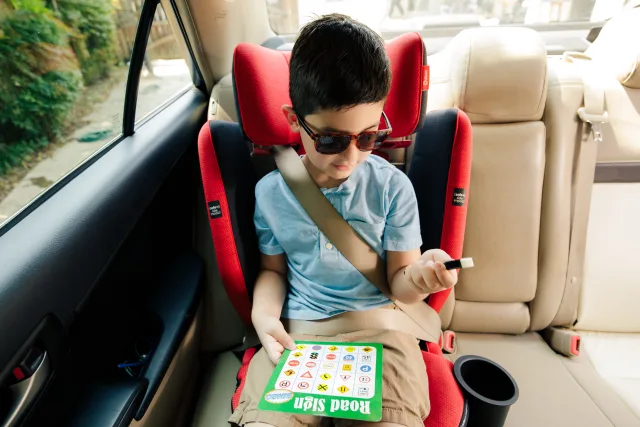
Who doesn’t love a classic road trip game? They’re free, require no supplies, and everyone in the car can join in on the fun! Play I Spy, The License Plate Game, 20 Questions, and more for a friendly family competition.
Listen to audiobooks or podcasts.
Podcasts and audiobooks can be another great way to spend the trip, especially if you’re looking for some quiet time. Before you leave, select a few audiobooks and podcasts you may want to listen to as a family.
Create a road trip playlist.
Belting out your favorite songs is an essential part of any road trip. Create a playlist of your family’s favorite music to get everyone singing and dancing. Bonus points if the playlist is the same length as the journey itself!
Look for roadside attractions.
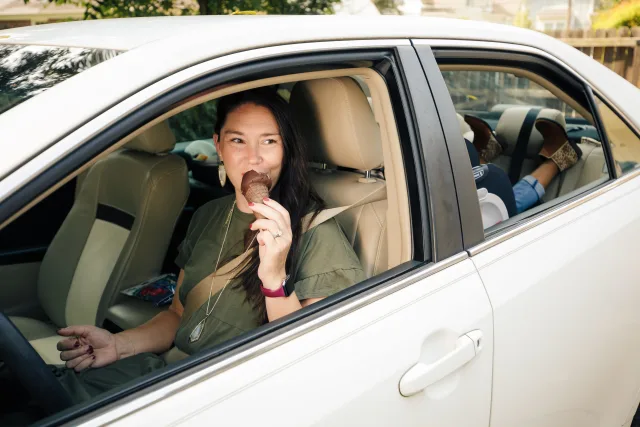
Remember that spontaneity is part of what makes road trips great. Stop at a fun-looking park. Drive through a national landmark. Take a picture in front of the world’s largest pistachio. And definitely pull over for a roadside ice cream stand or a quirky local diner along the way.
Bring activity kits for the kids.
Here’s a long list of car activities for kids from our blog. It’s full of crafts and toys, divided by age group. Pack these activities in multiple bags and distribute them slowly throughout the drive to keep kids engaged and excited about what comes next.
Tell stories together.
Start a story and have each person add the next sentence. The story usually becomes silly and unexpected, making it a fun way to pass the time and keep everyone entertained. Plus, it’s an excellent opportunity to encourage the whole family to put their brains to work in a fun, relaxed way!
Take photos and document the trip in journals.
Encourage kids to capture memories from the trip by taking photos or keeping a simple travel journal. This tip is especially good for teens. However, kids as young as 4 or 5 will have a blast recording their thoughts, feelings, and experiences through pictures, words, or both!
Try new local snacks.
There’s a lot of great food out there - don’t miss out by rushing straight to your destination. Stop and grab some Nashville hot chicken, Chicago deep dish pizza, California fish tacos, or even Rocky Mountain oysters. Or, if you’re keeping it simple, just pull over and enjoy some good old-fashioned ice cream.
Plan short excursions along the way.
Break up long stretches of driving with quick stops like scenic overlooks, short nature walks, roadside museums, or playgrounds. Even a 20–30 minute break can help everyone reset and add a little extra adventure to the trip.
Connect with conversation cards.
Conversation cards can spark fun discussions in the car. Ask questions like “What would your dream vacation be?” or “If you could have any superpower, what would it be?” These prompts often lead to laughter and memorable conversations.
Plan the perfect family road trip with these tips!
Road trips are one of the simplest and most memorable ways for families to explore new places together. With a little planning, the right activities, and a spirit of adventure, the journey can be just as meaningful as the destination itself. Use these tips and ideas to create a trip filled with laughter, discovery, and memories your family will talk about for years to come.
For more vehicle safety information and travel guides, visit the Safe in the Seat blog.
As an Amazon Associate, Safe in the Seat earns from qualifying purchases.