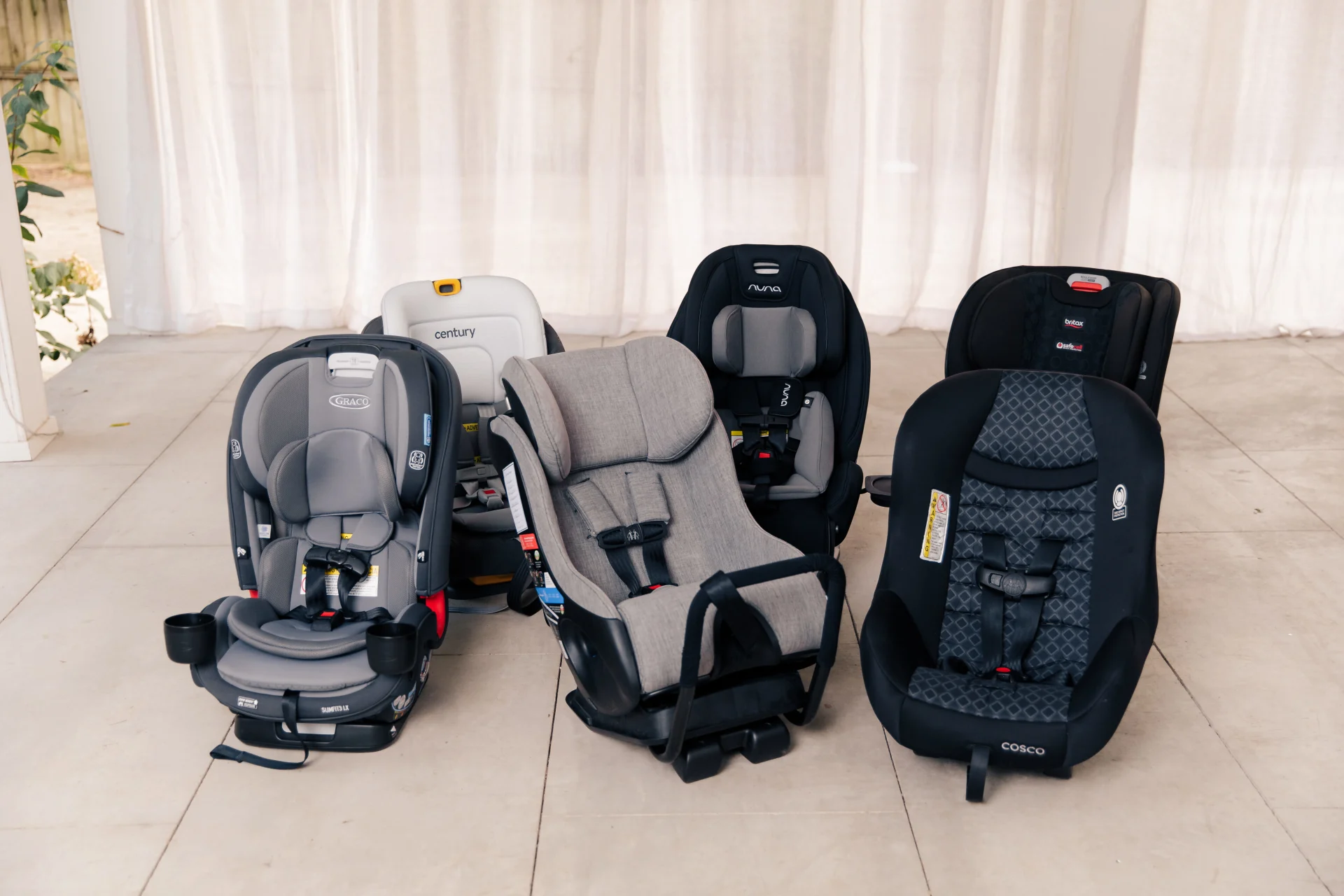
There are plenty of reasons you could be getting rid of a car seat. Maybe your toddler has outgrown their seat, or maybe you realized that seat actually expired a month ago! Now you're standing in the garage wondering what you're supposed to do with all of this bulky plastic and foam.
Unfortunately, getting rid of an old car seat isn’t always as simple as putting it out with the recycling. Most curbside recycling programs won’t accept them, and donating isn’t always an option, either. What you can do with your seat also depends on its condition! For example, a seat your child has simply outgrown may have different options than one that’s expired, been recalled, or was involved in a crash.
As a team of CPSTs, this is one of the questions parents ask us the most. A lot of parents have no idea what to do with an old seat, and they don’t realize that there are better, safer options than tossing it into recycling or donating it.
In this guide, we'll walk you through how to get rid of a car seat the right way, from retailer trade-in events to recycling programs. We'll also show you how to prep the seat when you do get rid of it and help you figure out which option fits your specific seat.
One important note before we dive in: current manufacturer instructions and your local program's rules always come first. Confirm those before you act.
Where to Dispose of Car Seats: The Quick Answer
You have a few options for getting rid of an old car seat, including retailer trade-in events, car seat recycling programs, manufacturer take-back programs, and local recycling centers. If none of those are available in your area, throwing the seat away may be an option, too. Just make sure you’ve taken the steps to prevent anyone from using it again.
Keep in mind that not every program accepts car seats year-round, and some have specific rules about what they’ll take. It’s worth checking ahead of time before making the trip.
Best Places to Get Rid of an Old Car Seat
If this is your first time getting rid of a car seat, all of your options may feel a little confusing! That’s why we’re breaking down each approach, including how it works, which seats it accepts, whether there's a cost or reward, and how to find it near you.
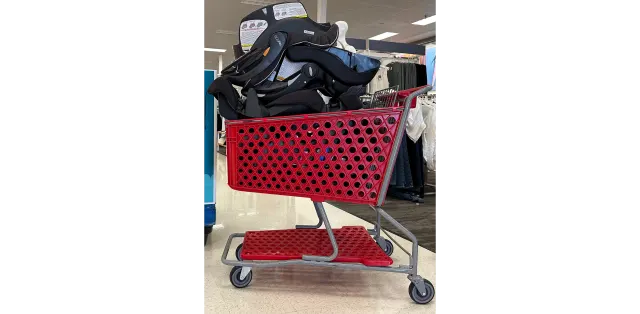
Target Car Seat Trade-In Event
Target typically holds its car seat trade-in event a couple of times a year through its Target Circle program. You can bring in your old seat, whether it’s expired, damaged, or simply outgrown, and drop it off at a participating store. In return, you’ll get a coupon toward a new car seat, stroller, or other eligible baby gear.
This is one we recommend to parents pretty often. Target accepts seats in any condition, so you don’t have to worry about whether yours is too old or worn out. The seats are also collected for recycling, which is a great alternative to throwing them away.
Because the dates shift throughout the year, we don't want to give you specific dates that could be outdated by the time you're reading this. We’ve got a full breakdown of how it works, what you can bring, and how to use your coupon in our guide to the Target car seat trade in.
Local Child Passenger Safety Technician Instructors
Instructors often rely on donated seats for teaching purposes. You can use this form to find one near you. Under Certification Type, click Instructor. For location, it's best to put your city instead of the zip code. Most of the listings will have an email or a phone number that you can use to contact the instructor and ask if they would like to take the seat off your hands. They do not mind if seats are expired or recalled, but they do need to be free of mold and fairly clean.
Car Seat Recycling Programs
Depending on where you live, you might have access to a recycling program that accepts old car seats. Some of these programs take expired, damaged, or recalled seats and separate the materials for recycling. Just be sure to check the program’s requirements first! Some organizations require you to actually break down the seat yourself ahead of time.
If you need a little more help figuring out how the process works, we have an entire guide on car seat recycling.
Manufacturer Take-Back Programs
If there’s not a trade-in event or organization near you, you can also check with the company that made your car seat. Some manufacturers have recycling or take-back programs, and a few may even help you with shipping or processing.
Not every manufacturer offers this, and programs can change over time. Your best bet is to check the company’s website or give their customer service team a call. They can let you know if there’s a program available and what you’ll need to do to participate.
Local Recycling Centers and Municipal Waste Programs
Your city or county may accept car seats at a recycling center or through a special waste program, even if your regular curbside pickup won't. A lot of these facilities will take the plastic shell, but you’ll usually need to remove the fabric and metal parts first.
Before heading over, check what your local facility actually accepts. Some programs may want you to take the entire seat apart, while others may accept it as is. You can usually find this information on your city or county’s website, or you can call the recycling center directly.
Junk Removal Services and the Trash as a Last Resort
If you're already getting rid of other bulky items, you might be able to have a junk removal service take your old car seat, too. Just keep in mind that these services usually charge a fee. It also might mean that your seat is tossed into a landfill rather than a recycler.
If recycling or trading in your seat isn’t an option, throwing it away may be your next choice, as long as your local waste service allows it. But before you do, you’ll need to make sure nobody can use it again. That means taking steps to make the seat unusable so someone doesn’t find it in the trash and mistake it for a safe car seat.
How to Dispose of Car Seats
When you’re getting rid of a car seat, follow your manufacturer's specific disposal instructions first, since some brands explain exactly how they want their seats taken apart and which parts are recyclable. If you want a standard approach, here's the general process we use and recommend:
Step One: Check the Expiration Date and Recalls
Start by finding the seat’s manufacture and expiration date. You’ll usually find this on a sticker on the bottom or side of the seat, although some manufacturers mold it directly into the plastic. This is important because an expired seat shouldn’t be passed along to another family, even if it still looks perfectly fine.
You’ll also want to check whether your seat has any open recalls. Sometimes, a recalled seat may qualify for a free fix or replacement. A lot of parents are actually surprised to find out that car seats do actually expire! If this is news to you too, we talk all about it in our guide, “Why Do Car Seats Expire?”
If the car seat is not expired, has not been in a crash, has all parts, has no open recalls, and is in excellent condition, you can give it to a close friend/family member or possibly donate it to the local foster closet.
If the car seat is expired, head to step 2 to prepare it for disposal or recycling.
Step Two: Remove the Fabric Cover, Padding, and Soft Goods
Take off the fabric cover, padding, cup holders, and any other soft goods. Most recycling programs only want the plastic shell, so separating these parts ahead of time saves you a step later. You typically can’t recycle fabric and foam curbside, so they'll usually go in the trash.
Step Three: Cut the Harness Straps and Belt Paths
Cut the straps on the harness so the seat can't be used again. Assuming that you already have a pair on hand, you can use a sharp pair of heavy-duty scissors. Ideally though, a seam ripper or utility knife can help with thicker webbing. This is extremely important for preventing reuse, so make sure not to skip it.
Step Four: Write "DO NOT USE" on the Plastic Shell
Use a permanent marker to write "EXPIRED" or "DO NOT USE" in big letters across the plastic shell. Even if the seat looks like it’s still in good condition, this makes it clear to anyone who finds it that it shouldn’t be used again.
Step Five: Separate Materials, Then Drop Off or Bag It
If you’re taking the seat to a recycling program, check whether you need to separate the plastic, metal, and foam first. Once you’ve done that, you can drop everything off at the designated location. If you’re throwing the seat away instead, place all of the pieces into a black trash bag to help prevent anyone from putting it back together and using it.
What to Do With a Car Seat That Cannot Be Reused
Not every unwanted seat belongs in a donation pile or a resale listing. Some seats simply shouldn’t be reused by another family, no matter how good they look.
A seat might appear perfectly fine on the outside but have internal or easy-to-miss damages, like stretched harness webbing, cracked side-impact foam, hairline cracks in the shell, or compromised base units. Here's how to think about each situation:
- Expired: Once a seat passes its expiration date, retire it. For your options, read what to do with expired car seats.
- Involved in a crash: A seat that's been in a crash can have hidden damage to the plastic shell, energy-absorbing foam, or harness webbing. Learn more in our full guide on what to do with a car seat after an accident.
- Recalled: If you find out your seat does have a recall, check with the manufacturer first. A recall often comes with a free repair kit or replacement. Our guide on why car seats get recalled explains what to look for.
- Damaged, missing parts, or unknown history: If the seat is cracked, missing original parts, or you don't know where it's been, it’s better not to take the risk.
As CPSTs, this is exactly why we tell parents not to buy or accept a used car seat unless they know its complete history. A secondhand seat can look perfectly usable and still have been in a crash, stored in a way that weakened the plastic, or had a recall you never heard about. When it comes to your child's safety in the car, that uncertainty isn't worth the savings.
Where to Turn Next on Your Car Seat Journey
Deciding what to do with an old seat doesn’t have to be as overwhelming as it feels at first. Look through the options we offered above and figure out which fits your situation (and seat!) the best. If you're replacing a seat and want help choosing the right one for your child's stage, our Car Seat Finder Quiz walk you through exactly which features matter and which don't. You can buy with confidence instead of second-guessing every click.
And if you want more car seat advice delivered straight to your inbox, join the Safe in the Seat newsletter! We send practical tips, event alerts, and reassurance from a team of experts that gets it.
You've got this, and we've got you.