
The Complete 3-Across Car Seat Guide: How to Fit 3 Kids Safely in One Row
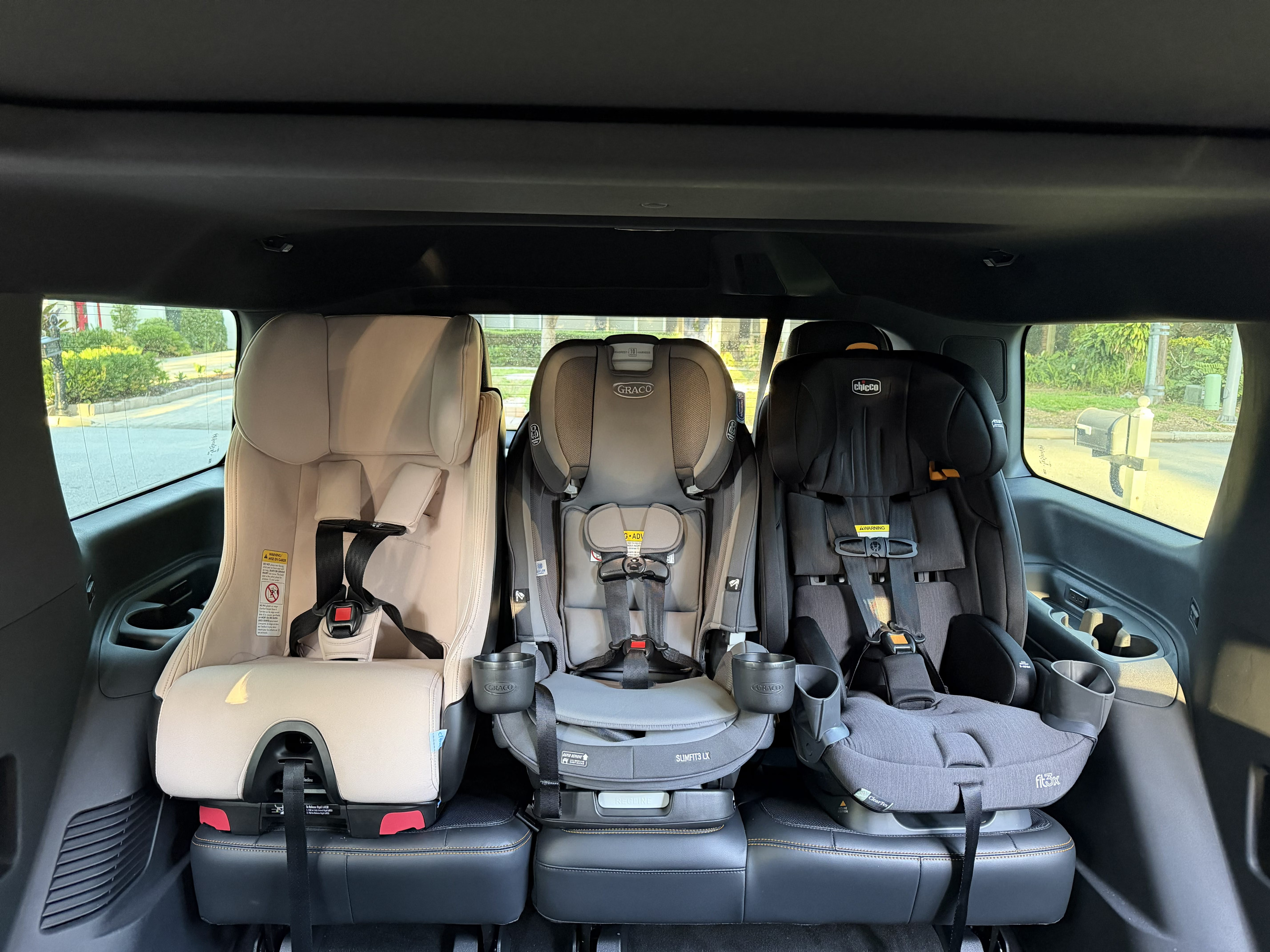
Three across isn't just about finding the three narrowest seats.
It's about finding the right combination for your kids + car + real life.
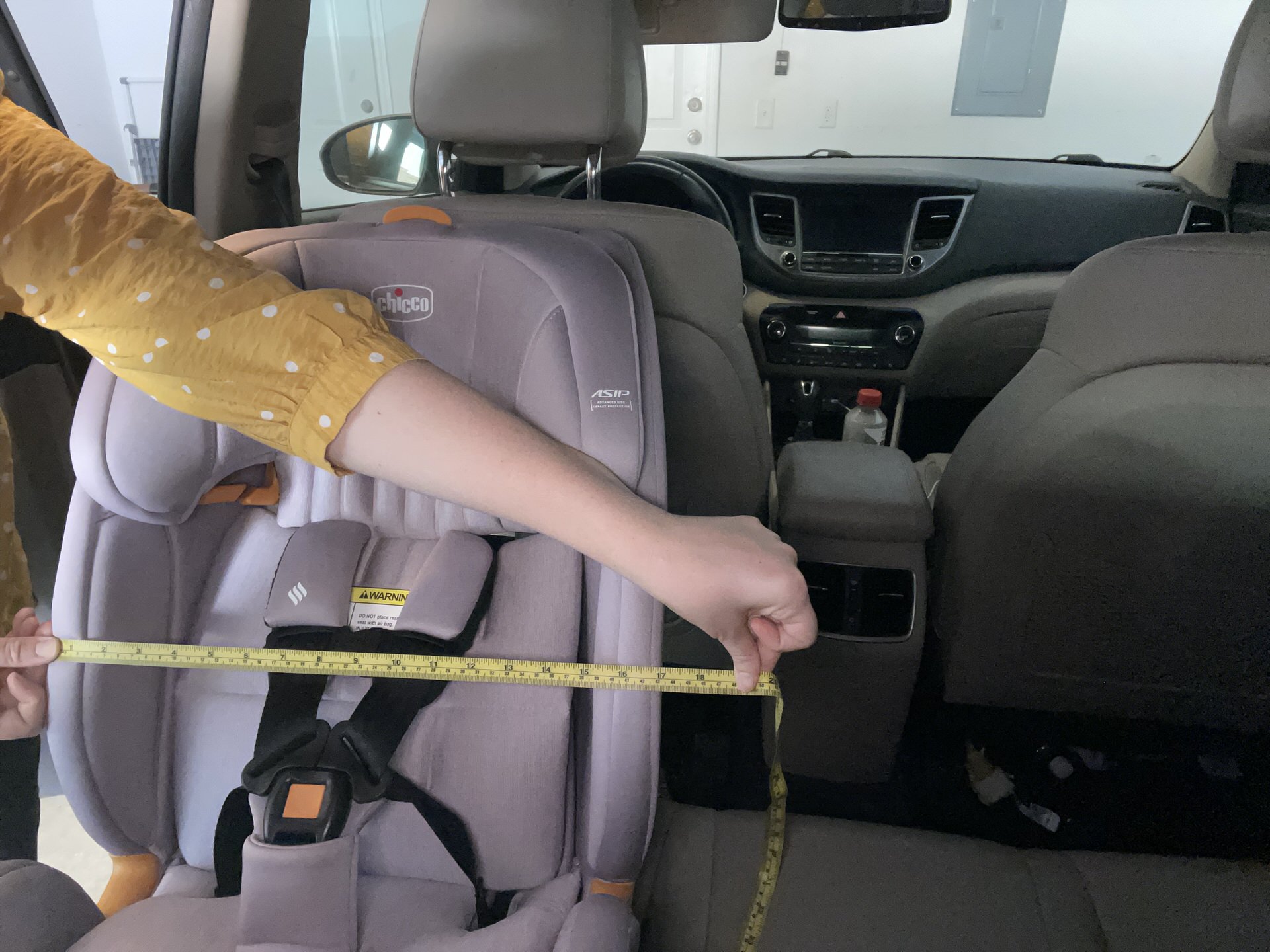
The internet tends to make 3 across sound like a math problem: Add up three car-seat widths and compare them with the width of your back seat.
I wish it were that easy.
The right setup depends on your kids, their stages, your vehicle, where the seat belts and tether anchors are, who needs help buckling, how you use the car, and the shape of the seats themselves. 3 across is possible in many vehicles, but not with every combination of vehicle, kids, and seats.
And fitting is only part of the equation. A 3-across setup can technically fit and still be frustrating or difficult to use correctly every day. You also need to be able to reach each harness, access every buckle, load each child, and confirm that every seat is independently secure.
What Does '3 Across' Mean?
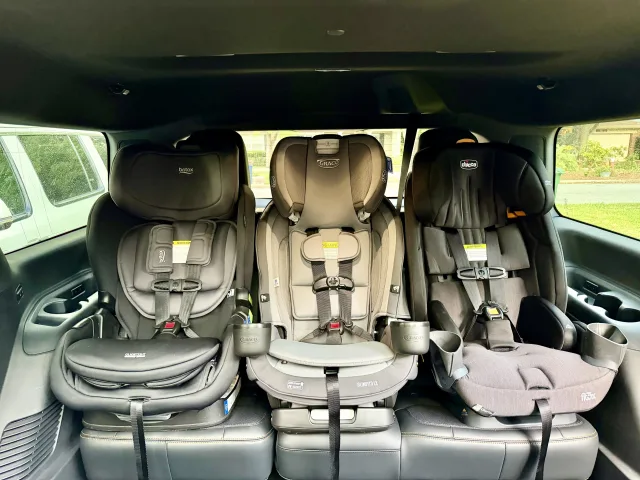
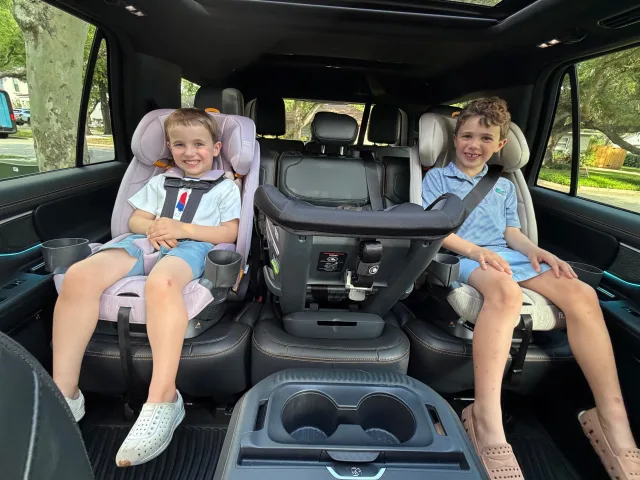
3 across just means fitting three car seats, or a mix of car seats and adults, in one row of your vehicle. It can happen in your second row or your third row, depending on what you're driving.
Families end up needing this for all kinds of reasons: twins plus another kid, three kids at three different stages, a carpool with someone else's kids in the mix, visiting family who need a ride. Whatever brought you here, the approach is basically the same.
One thing worth knowing up front: 3 across works in most vehicles, but a small number of vehicle and seat combos won't allow it no matter what you try. I'd rather tell you that now than have you find out after buying a seat that was never going to work.
Who Needs 3 Across?
Whatever your reason, the approach to solving it is largely the same.
Should I keep everyone in one row, or use the third row instead?
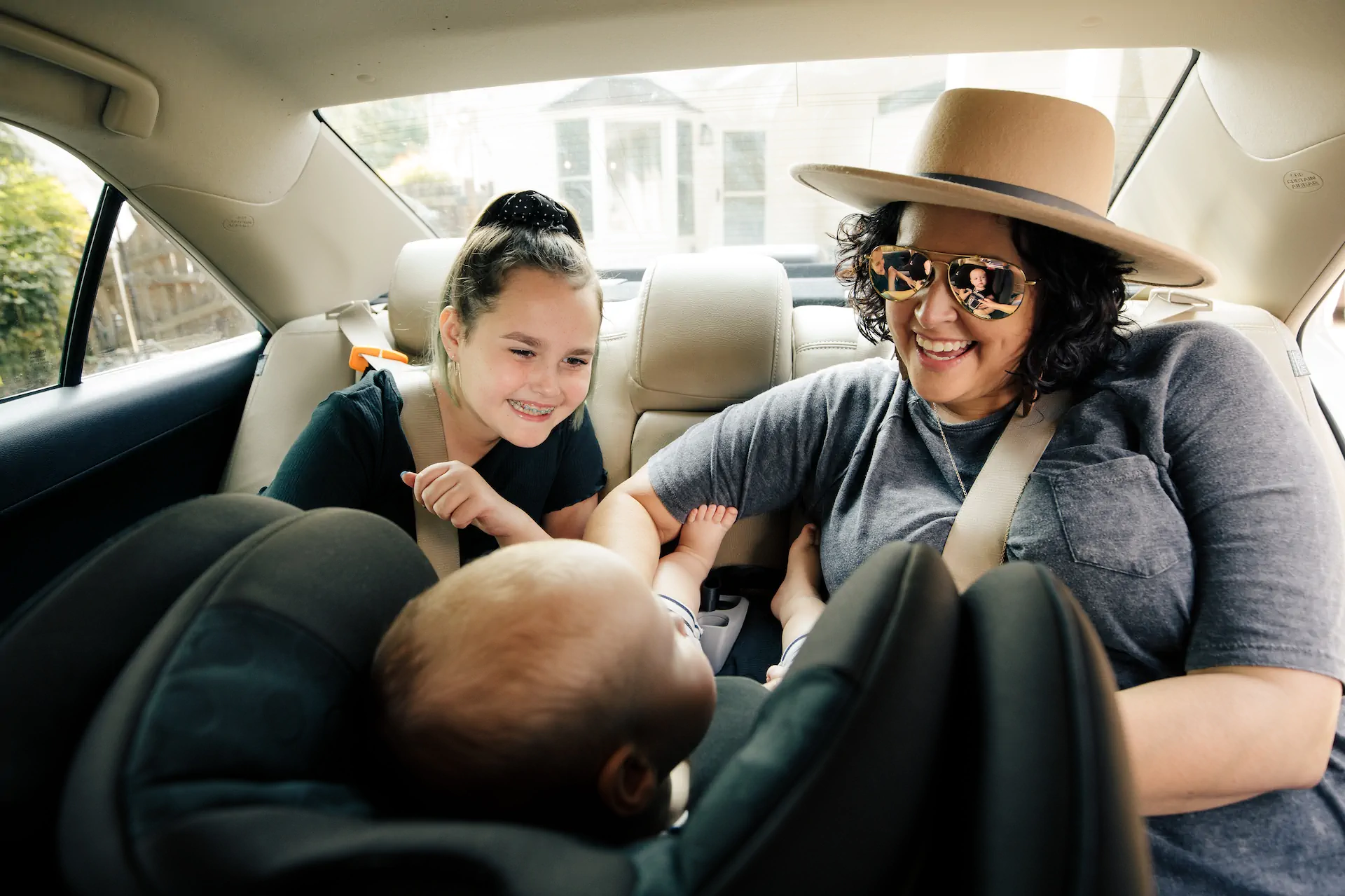
We get a lot of questions about whether it is better to fit 3 across in the second row, or to put two kids in the second row and the third child in the third row. It depends on your vehicle and what actually makes your life easier.
Keeping everyone in the same row means you're not wrangling anyone into a third row, and you can fold that row down when you need extra trunk space. Using the third row gives each kid more elbow room and can make installation a little easier since you're not squeezing three seats onto one bench.
The tradeoff: third rows can be harder to get kids into, especially if your second row has rear-facing seats blocking the path. If you've got a rear-facing infant or convertible seat, think this through before you commit to a third-row plan. Some third rows have plenty of room for rear-facing seats. Others really don't.
Will my car even work for this?
Many families can make it work. Some configurations won't. We're going to help you figure out which you're dealing with before you spend money.
Before you buy a single car seat, it helps to know what you're actually working with. A few minutes of homework now can save you a frustrating return later.
A quick myth to bust first: the width number in your vehicle's spec sheet is a starting point, not a guarantee. I've seen plenty of vehicles with a "good" spec width that still didn't work because of seat shape, belt overlap, or headrests that wouldn't cooperate.
So use the number, but don't stop there.
How to Measure Your Back Seat (and What the Numbers Mean)
A quick search of your vehicle's make, model, and year will usually get you your back seat's hip width. As a general guideline, 54 inches or more gives you a good shot at making 3 across work. Below that, it's often still possible, just with more selective seat choices.
.avif)
Watch out for seat belt overlap
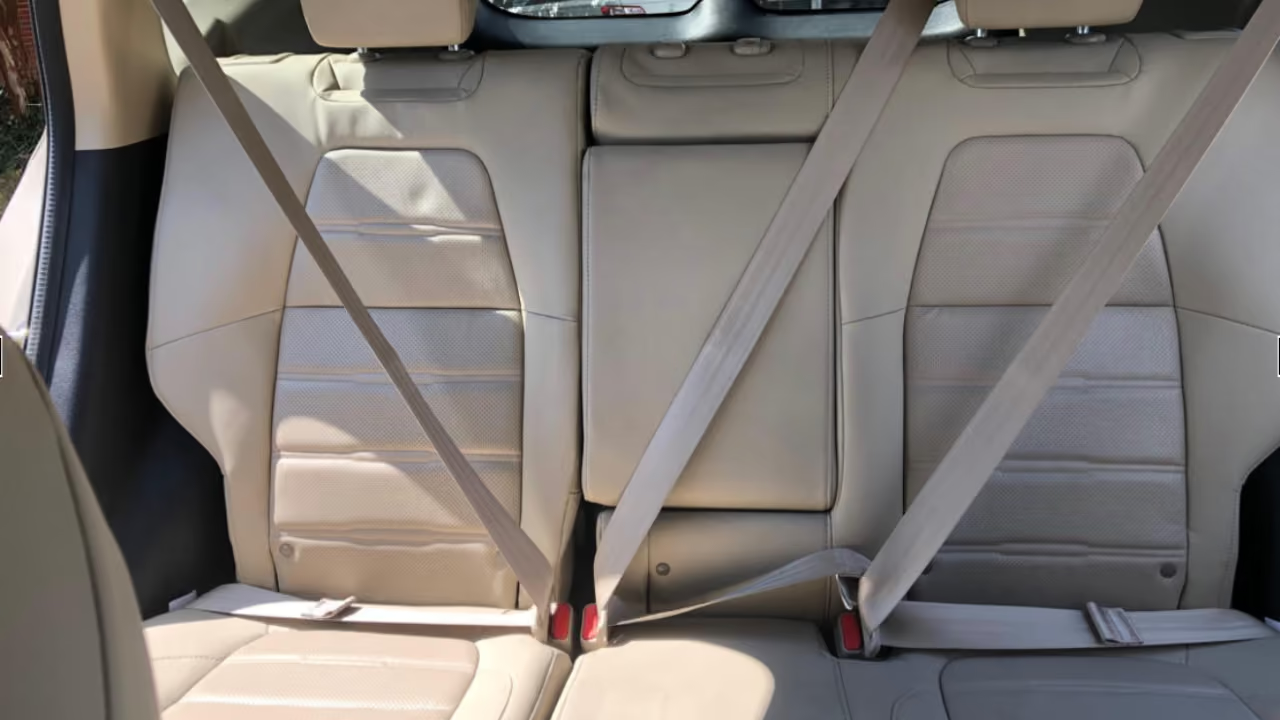
This is one of the sneakiest obstacles in a 3-across setup. It happens when two seat belts cross over each other when buckled, which can make it hard to get a tight install, especially for kids in boosters or adults riding along.
If you run into this, you're not stuck. Sometimes installing the outboard seat with LATCH and using the seat belt for the center seat sidesteps the whole problem. Other times, a seat with a higher belt path in the center spot helps the belts stop fighting each other.
Think about your child seating preference
Although your preferred configuration may not work in the end, it is a good place to start. Do you have one child who needs to be dropped off for school or two kids who fight each other and should not sit side-by-side?
Have a forward-facing rider? Don't forget the top tether
Even in a tight 3-across installation, every child deserves the safest setup possible. That means any child riding forward-facing in a harnessed seat should be in a seating position with a top tether anchor, and you should use it. If you need to shuffle which child sits where to make sure the forward-facing rider ends up in a tethered position, it is worth the extra effort. This is a good time to check where the top tethers are located in your vehicle.
Check the vehicle owner's manual for a visual of where to find them.
Could Your Vehicle’s Headrest Limit Your Car Seat Options?
Vehicle headrests most often complicate forward-facing seats and high-back boosters. A fixed, forward-tilting headrest can seriously limit your seat options. If your headrests come out completely, you don't need to worry about this. If they're stuck in place and angled forward, double-check compatibility before buying a forward-facing seat or high-back booster.
Do not use vehicle seating positions without a vehicle headrest for anyone who is not in a harnessed seat or high-back booster, including adults.
Rear-facing seats do not have headrest issues.
The shape of your seat matters as much as the width
Bolsters along the sides of the cushion eat into your usable space, since they stop you from sliding a seat all the way toward the door. A raised, shallower center cushion can also make the middle spot tougher to work with. If you're shopping for a new vehicle with this in mind, sit in the back seat yourself and run your hand along the cushion. You'll learn more that way than from any spec sheet.
Non-negotiables while you're checking your vehicle:
- No seat belt overlap in the seating positions you plan to use, preferably
- Removable headrests, or headrests confirmed compatible with the seats you're considering
- A test fit before you buy, whenever it's possible
(A quick note: if you're driving a Ford, Lincoln, or Mercedes with inflatable seat belts, there's a section for you near the bottom of this guide.)
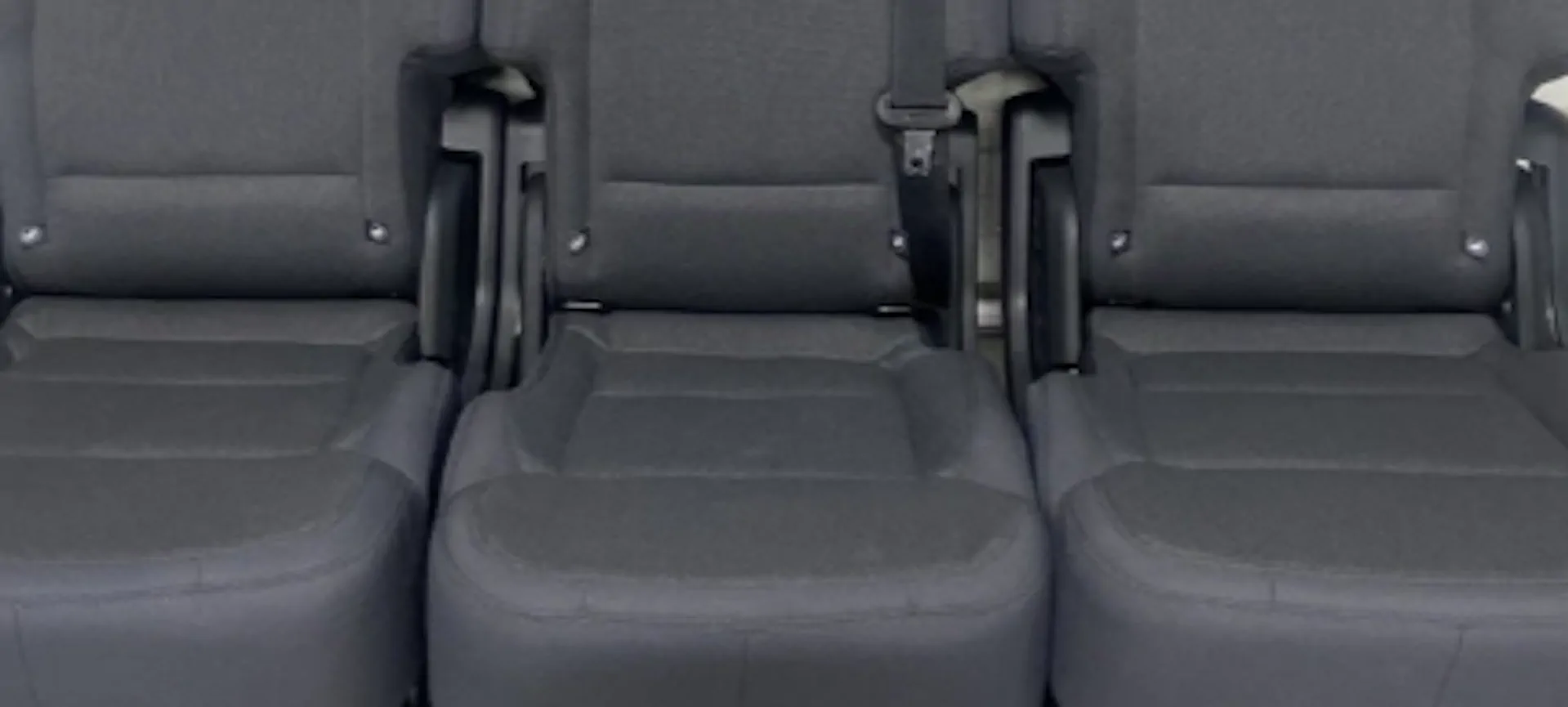
If you reach the point where every combination looks almost right but you can’t tell whether it’s actually acceptable, you’re not missing something obvious. Three-across is one of the most vehicle-specific car seat puzzles there is.
A few rapid clarifications about LATCH
Short answer: for most families doing 3 across, the seat belt is usually your best friend for the outboard seats.
Here's why. The lower anchors (LATCH) in your vehicle are fixed 11 inches apart, centered in the seat, and they can't be shifted toward the door. A seat belt installation gives you way more freedom to slide the seat closer to the door, which frees up precious inches in the middle. A seat with an easy seat belt lock-off feature makes this even smoother.
Don't "borrow" lower anchors from a neighboring seating position to install a seat in the center unless both your vehicle manual and your car seat manual explicitly allow it. Most don't. It's also just not a great solution anyway, since it will block your outboard buckles.
(More on this in the CPST section below, if you want the full mechanics of why.)
If your vehicle has a dedicated center LATCH position, that usually means your bench seat is on the wider side. In that case, you can likely install the center seat using its own lower anchors without any borrowing involved. Even so, we generally recommend using the seatbelt for the two outboard seats so you can slide them closer to the doors and free up room in the middle.
Which car seats actually work for 3 across?
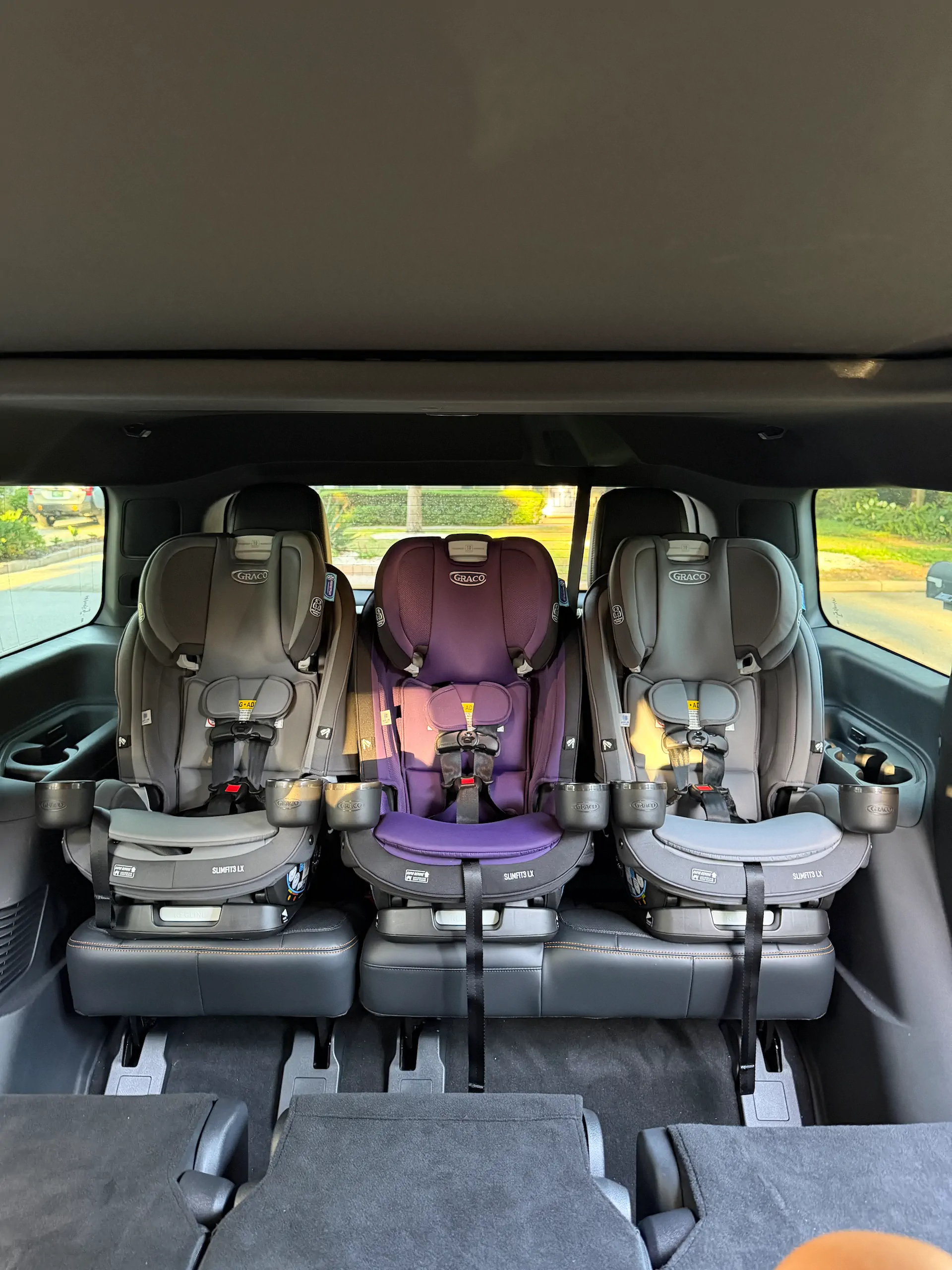
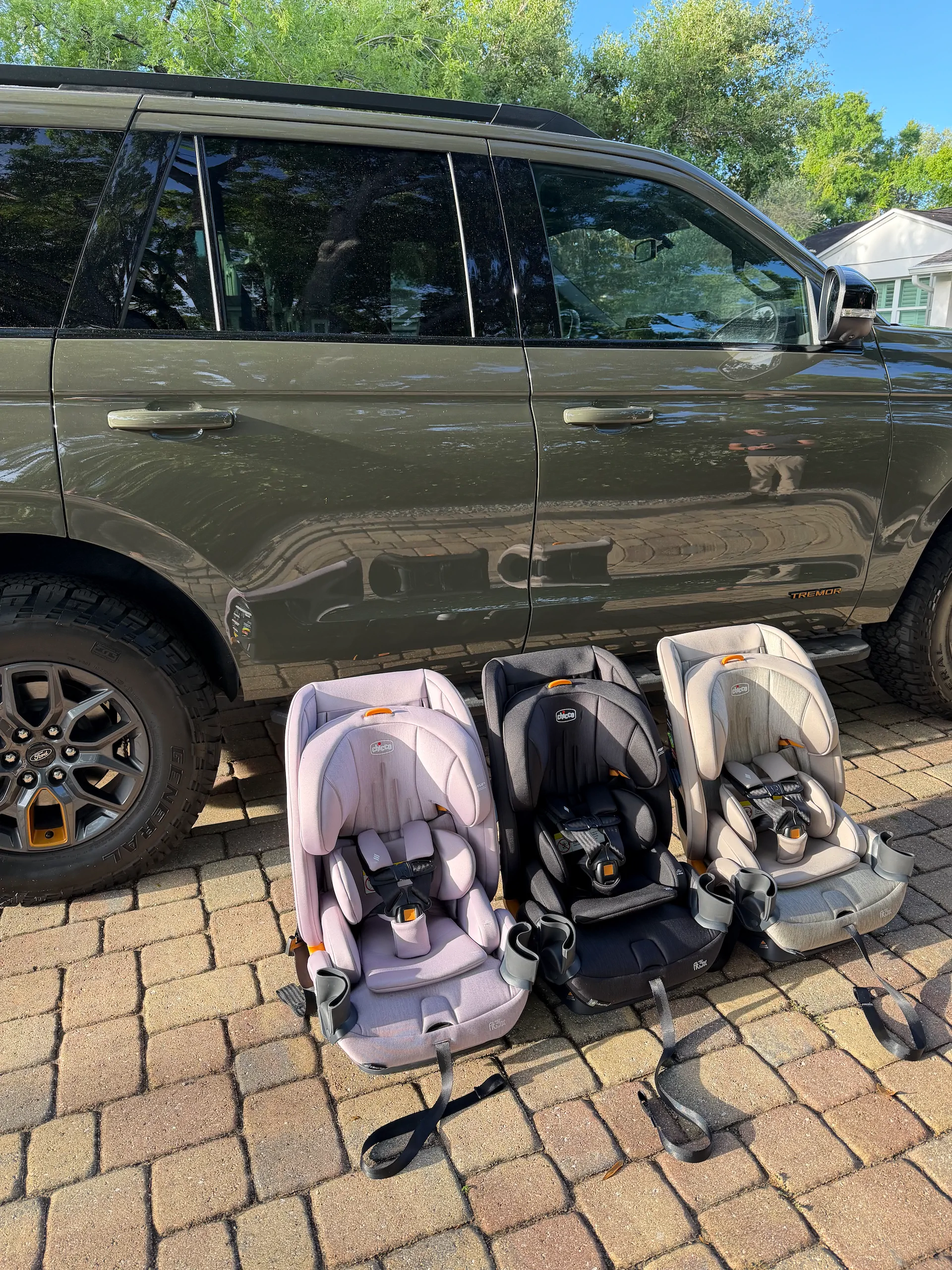
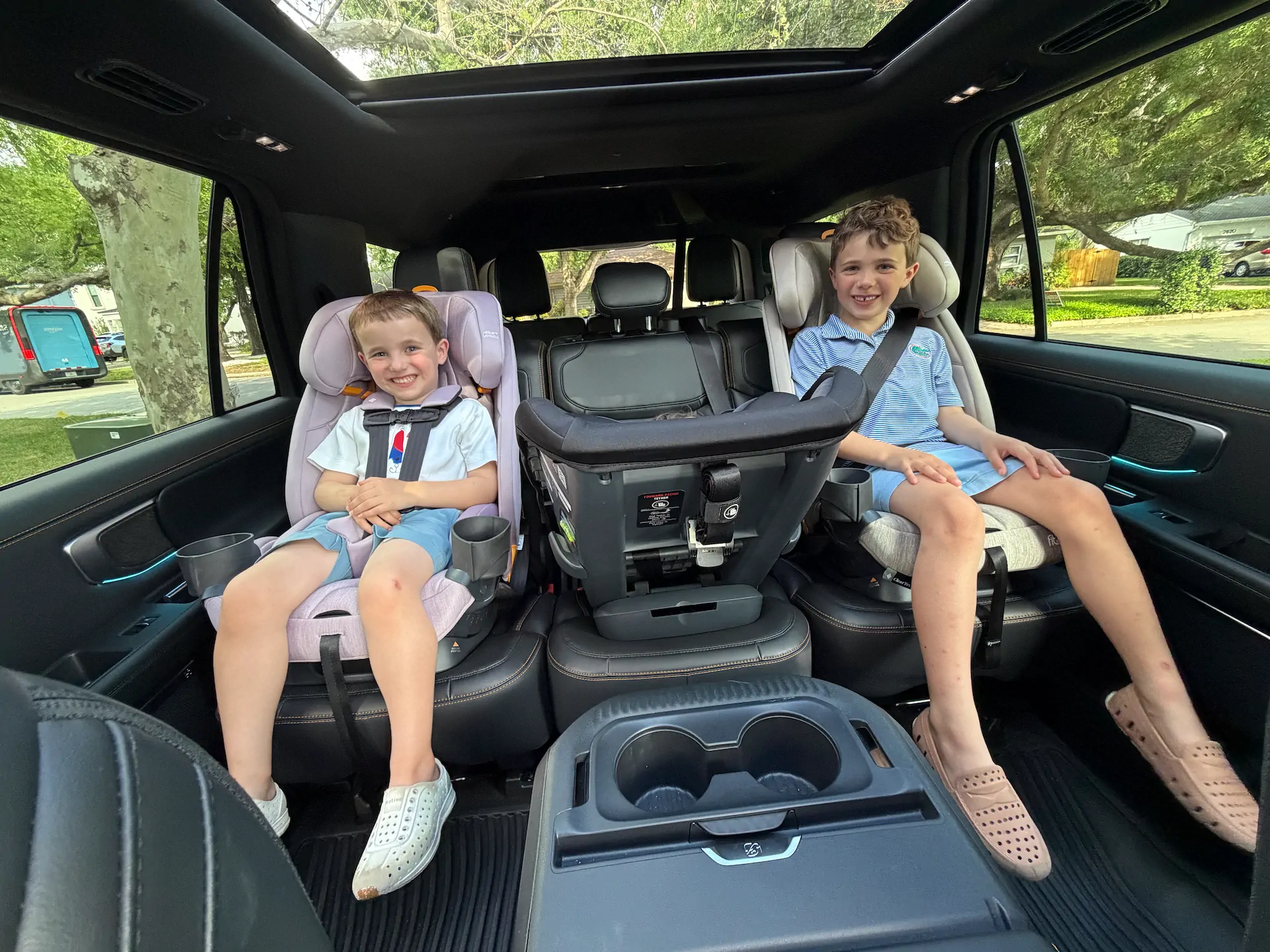
Infant Seats: usually your easiest piece of the puzzle
Good news here: infant seats are almost always narrow, so they tend to be the least stressful part of this whole process. Many bases also have a built-in lock-off or tensioning device, which helps you get a tight install and slide the base closer to the door.
If your back seat is especially tight (under about 53 inches), installing the infant seat without its base can free up a little more room. Look for a seat that supports European belt routing, since it tends to fit more compactly. The tradeoff is a slightly less convenient in-and-out for daily use.
Most caregivers put the baby on an outboard seat for easier loading, but sometimes the middle is the only spot that works. If that's you, try to keep an easy-access seat (forward-facing or a booster) next to the infant seat.
Rear-Facing Convertible Seats: rear-facing needs depth and width
If you've got a rear-facing convertible, you're solving for front-to-back space, not just side-to-side. Some narrow convertibles are deep front to back (Clek Foonf, Clek Fllo), while others are more compact (Britax Poplar, Graco SlimFit3 LX). The center seat often has a little extra depth, so it can be a good spot for the rear-facing seat.
Forward-Facing Convertibles: what to look for
For forward-facing convertibles or harnessed boosters, look for something 17.5 inches wide or less. If you're dealing with seat belt overlap, the Graco SlimFit3 LX is worth a look. Its higher belt path in the forward-facing position can free up the outboard buckle next to it.
Booster seats: backless usually wins in a tight setup
High-back boosters are tough to squeeze into a tight 3-across configuration, and there aren't many narrow options. If your kid needs one anyway, our favorites are the Axkid Up, Baby Trend Koa, and PEG Viaggio Flex.
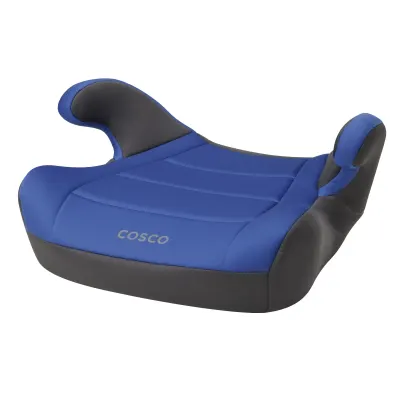
If your child can use a backless booster instead, life gets easier. Our go-tos are the Diono Solana Lite, Bubblebum, and Cosco Rise LX. If you want a booster-aged kid in the middle seat, backless is almost always the better call, since most high-backs are just too wide for that spot.
The "Narrowest Seat in the Middle" Rule (and When to Ignore It)
Using a Booster in the Center Seat
Our Favorite Seats for 3 Across
If you'd rather skip the research and just see what we personally reach for, here's the list. These are the seats we come back to again and again when we're helping a family solve 3 across. These aren’t simply the narrowest seats on paper. We consider real vehicle installations, seat shape, belt-path placement, child fit, ease of buckling, headrest compatibility, and how each setup works in everyday life. No brand can pay to be included.
Infant Seats
These infant seats are easy to install and range from 16.7 to 17.5 inches wide, making them good options for tight spaces. The Joie Rue is affordable and includes an anti-rebound bar, while the Chicco KeyFit Max adds flame-retardant-free fabric. The Clek Liing is 17 inches wide and features a load leg and flame-retardant-free fabric.
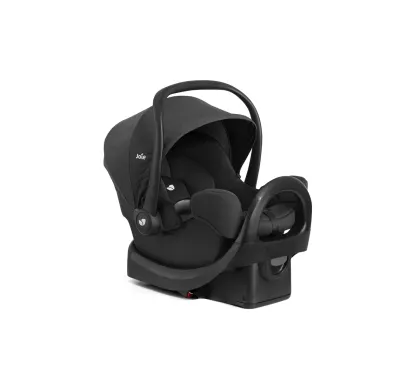
Rue (Meets New Standards)
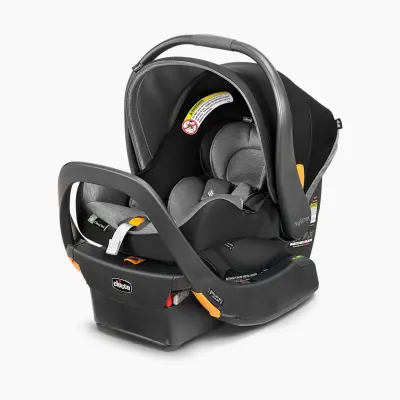
Keyfit Max ClearTex (Meets New Standards)
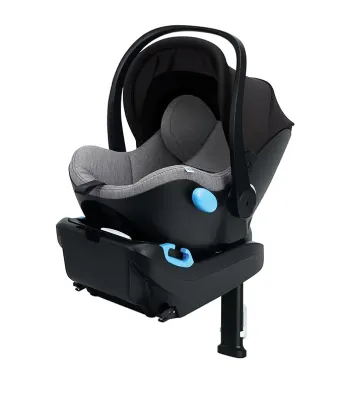
Liing (Meets New Standards)
Convertible Seats
All six convertible seats are narrow - between 16.7 and 17 inches wide. The Graco SlimFit3 LX, Clek Foonf, Chicco Fit3x, and Britax Poplar include lock-offs and Evenflo All4Stages Slim has a space-saving design. The Evenflo Revolve Slim stands out for easy installation.
For specific needs, the Clek Foonf and Evenflo Revolve Slim include anti-rebound bars. The Clek Foonf, Chicco Fit3x, and Britax Poplar use flame-retardant-free fabric. The Graco SlimFit3 LX, Clek Foonf, and Evenflo All4Stages Slim work with non-removable headrests, and the Revolve Slim swivels for easier loading and unloading.
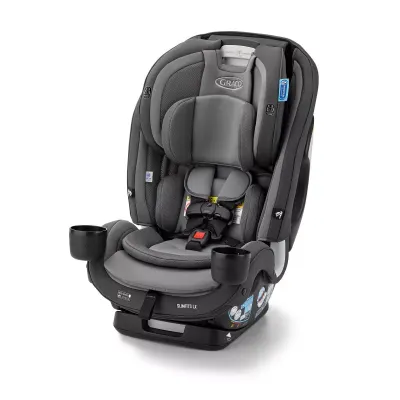
Slimfit3 LX 3-in-1 (Meets New Standards)
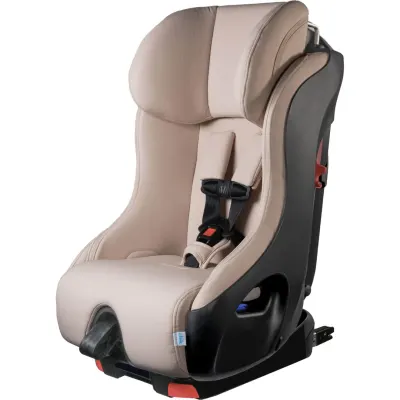
Foonf (Meets New Standards)
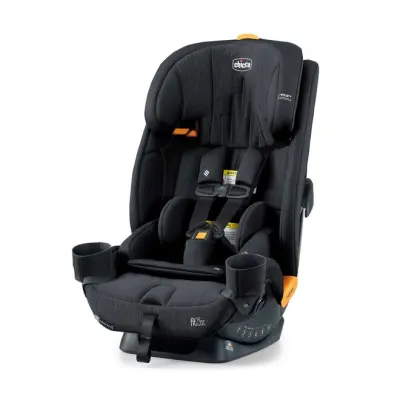
Fit3x (Meets New Standards)
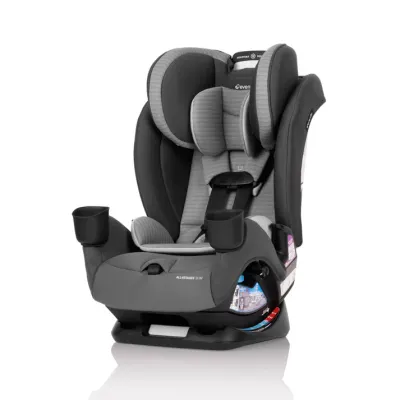
All4Stages Slim (Meets New Standards)
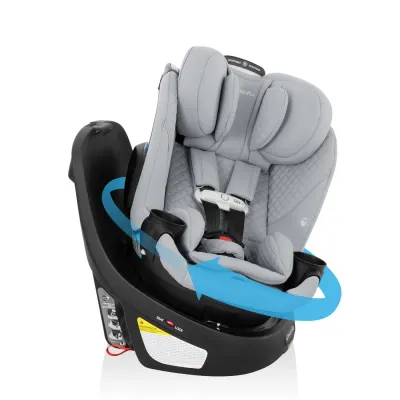
Revolve Slim (Meets New Standards)
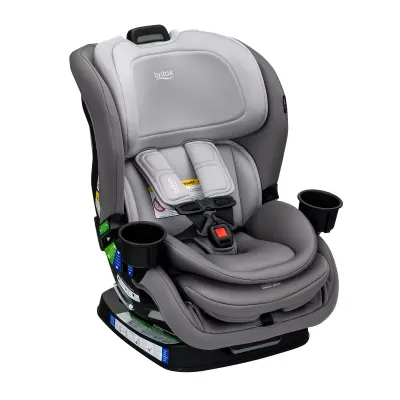
Poplar (Meets New Standards)
Forward-Facing Seats
The Graco SlimFit3 LX, Chicco Fit3x, and Evenflo All4Stages Slim from the convertible-seat section remain good options for forward-facing children, and each can later be used in booster mode.
The Chicco MyFit is 17.5 inches wide and includes a lock-off for forward-facing installation; its ClearTex version uses flame-retardant-free fabric. The 14.75-inch-wide WAYB Pico folds compactly and can also be used for travel.
Slimfit3 LX 3-in-1 (Meets New Standards)
Fit3x (Meets New Standards)
All4Stages Slim (Meets New Standards)
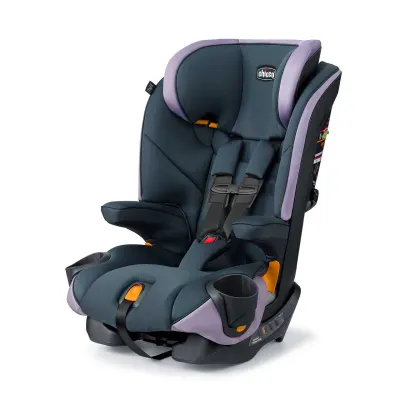
MyFit (Meets New Standards)
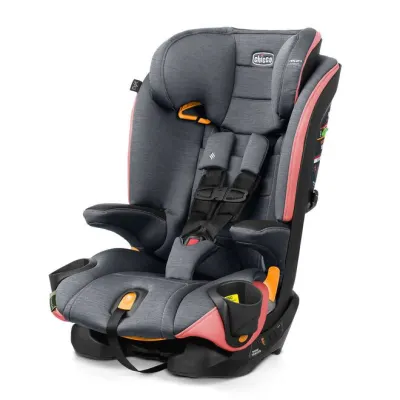
MyFit ClearTex (Meets New Standards)
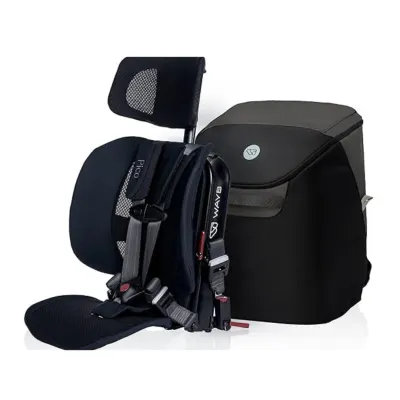
Pico
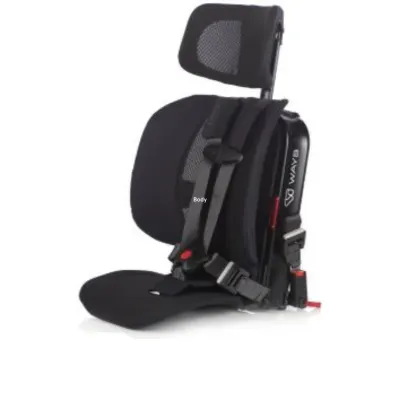
Pico

Pico
Travel Vests
Comes in different sizes, is as wide as the child, and is lightweight. Great option for especially tight center seats. Read more on our dedicated blog about this Travel Vest.
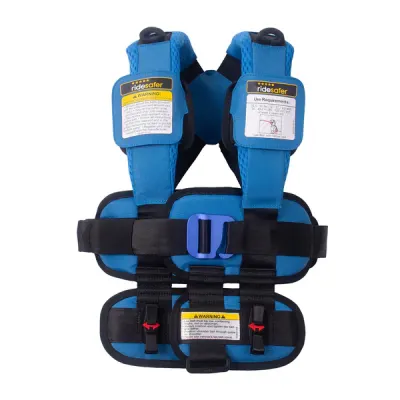
RideSafer Travel Vest-Gen 6
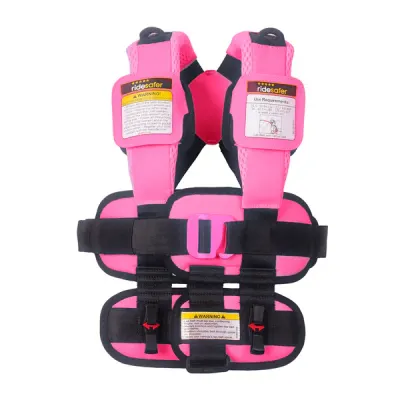
RideSafer Travel Vest-Gen 6
RideSafer Travel Vest-Gen 6
High-Back Boosters
These high-back boosters are all narrow, measuring between 16.5 and 17 inches wide. The Axkid Up, Baby Trend Koa, and PEG Viaggio Flex fold for easier storage or travel, while the Koa and Graco TurboBooster 2.0 LX are especially lightweight.
The Axkid Up includes a load leg, footrest, rigid lower anchors, and flame-retardant-free fabric. The PEG Viaggio Flex also has rigid lower anchors and flame-retardant-free fabric, while the Baby Trend Koa and Graco TurboBooster 2.0 LX feature lower anchors.
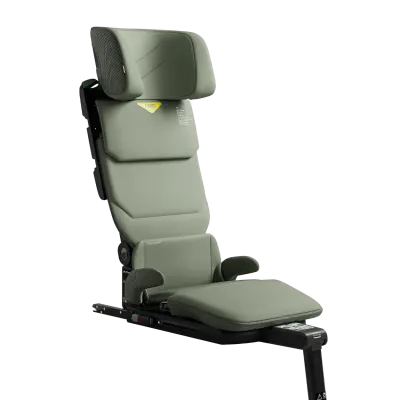
Up
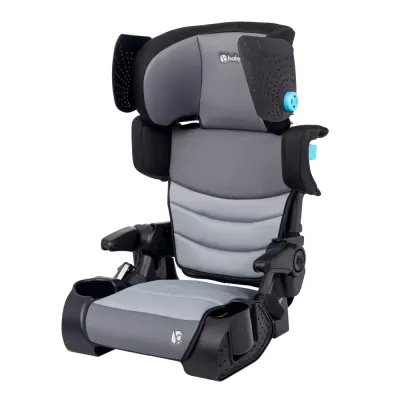
Koa Slim
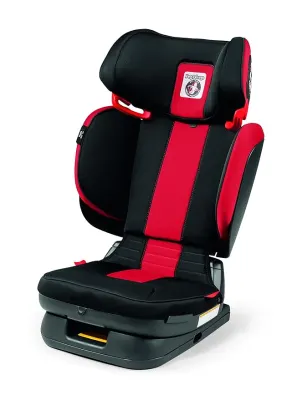
Viaggio Flex
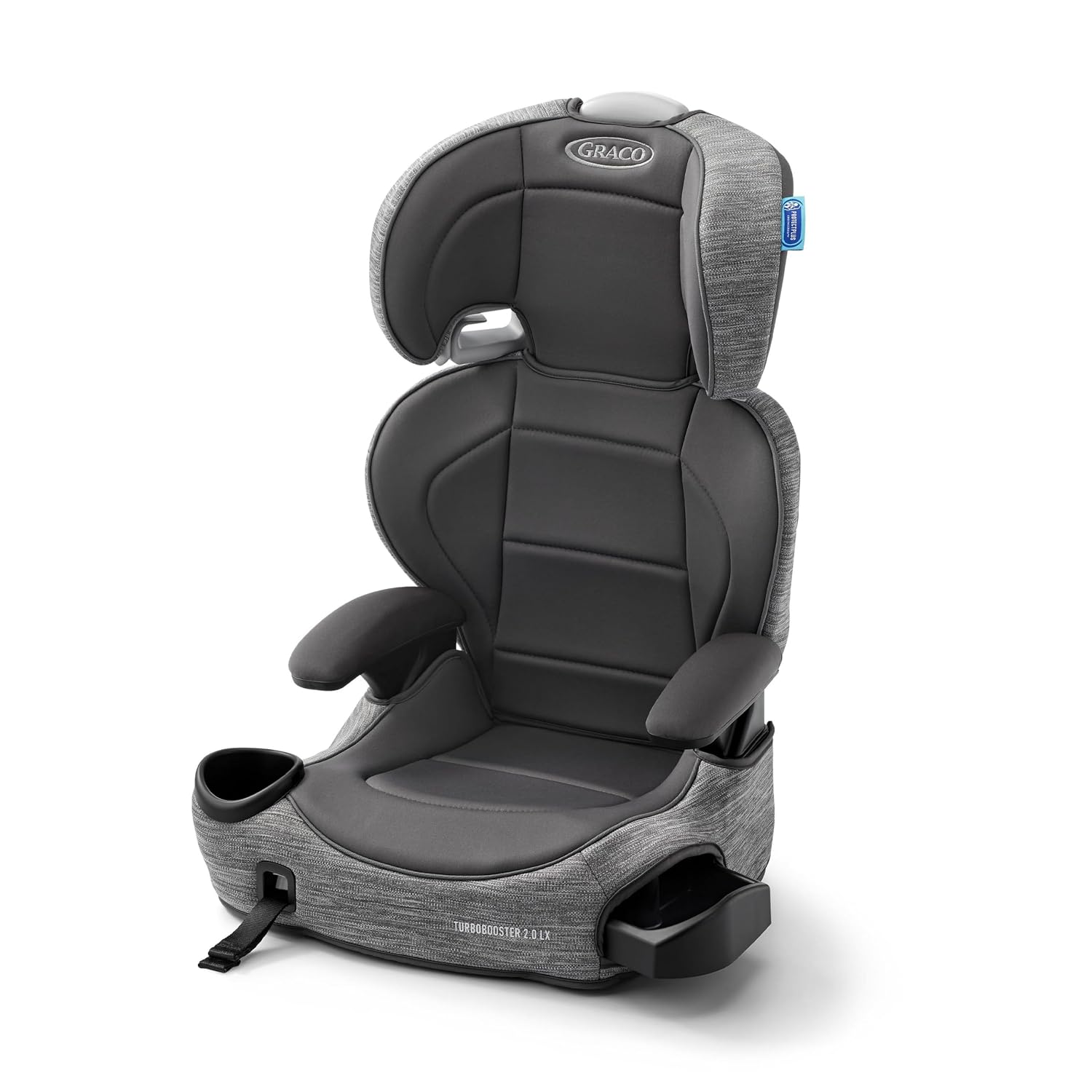
TurboBooster 2.0
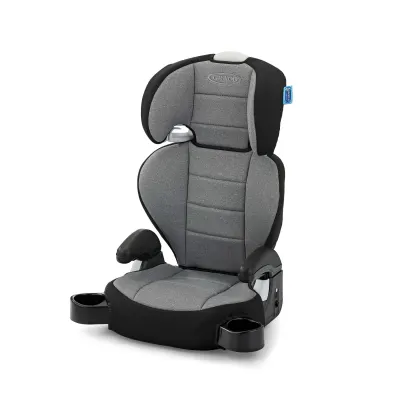
TurboBooster 2.0
No-Back Boosters
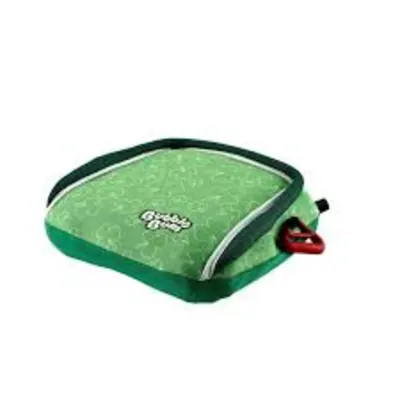
Inflatable Booster
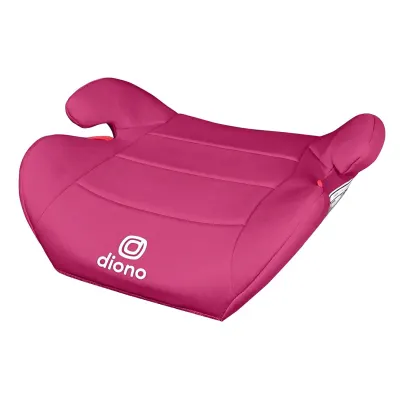
Solana Lite
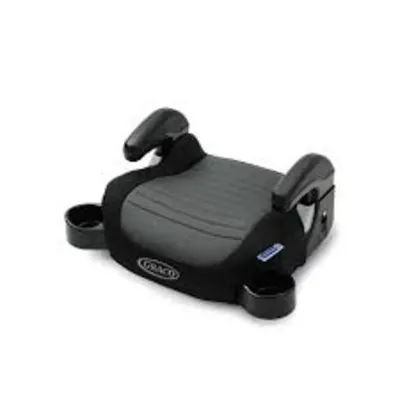
TurboBooster 2.0 Backless
Okay, how do I actually install all three?
Do a test fit before you buy anything.
Before you buy anything, do a test fit if you possibly can. Bring the car seats you already own, or borrow ones you are considering, to your vehicle and try different configurations before you commit to buying a seat. Some retailers, like Nordstrom or independent baby stores, may let you test fit in the parking lot.

Install the middle seat first.
This lets you confirm it's actually tightly installed on its own, not just wedged into place by its neighbors.

It's fine for seats to touch, with one caveat.
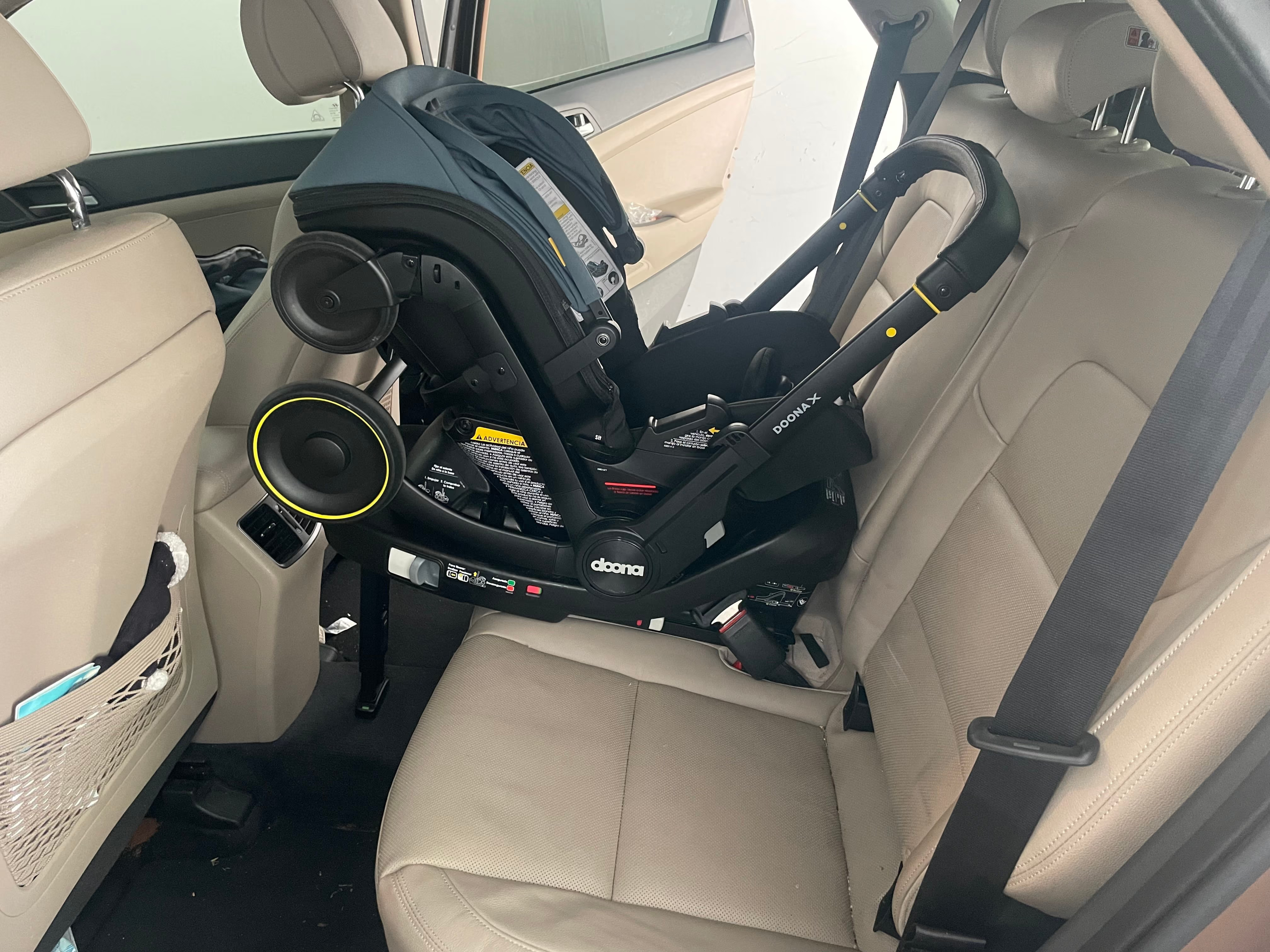
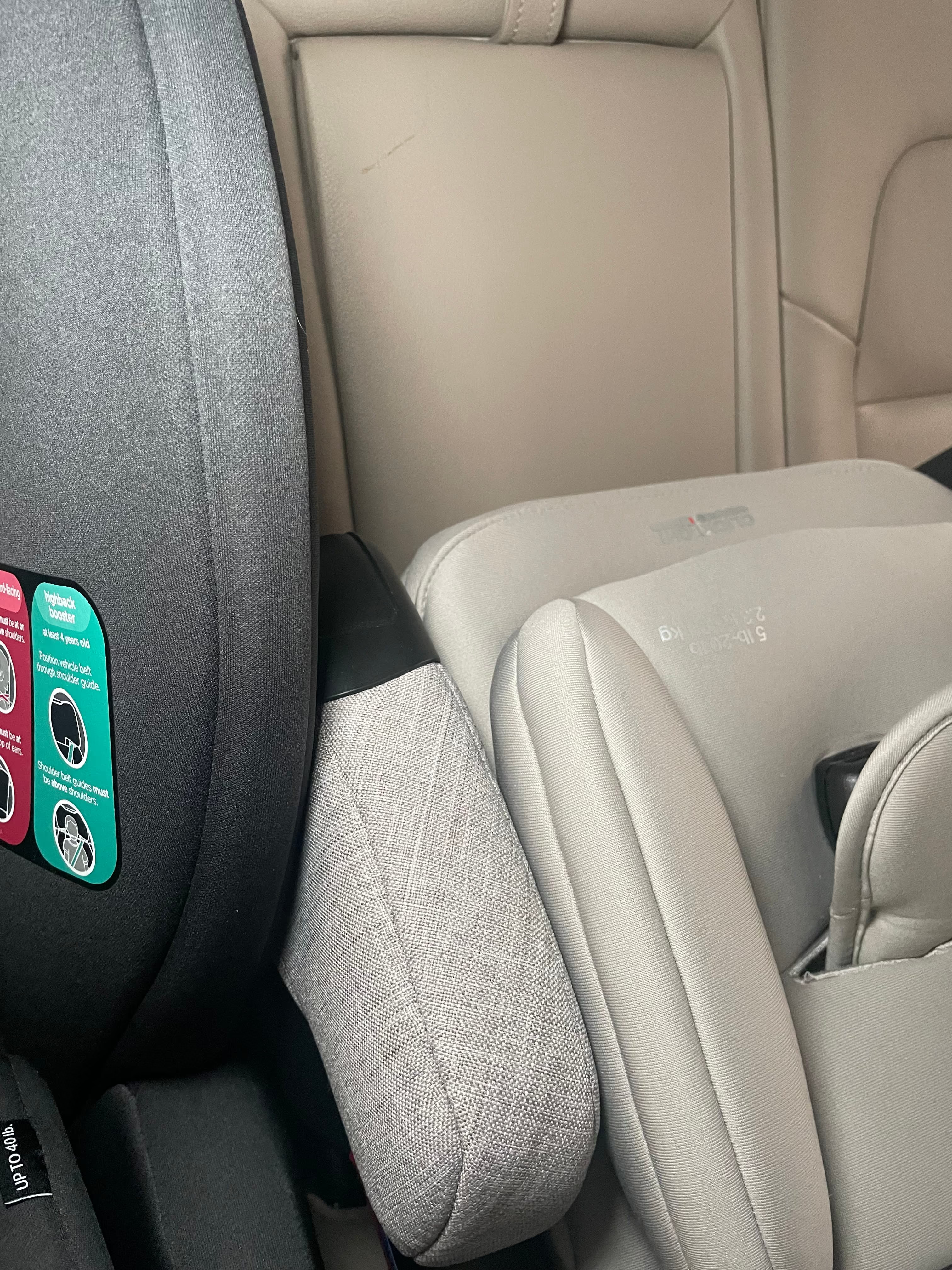
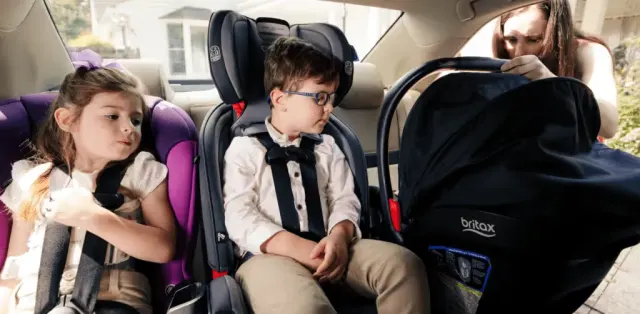
Side-to-side contact between car seats is normal and okay. What's not okay: a seat's shell visibly bending or flexing from the pressure, or one seat's part resting on top of another's (like an infant seat handle sitting on a neighbor's cup holder, see image). If you see either of those, something needs to change, whether that's the order, the install method, or the seats themselves.
Run the door test.
Once all three are in, close both rear doors. If a seat shifts when the door closes, it's too close. If a door won't shut, that configuration isn't going to work. Try rearranging, or consider a narrower seat.
Non-negotiables for installation:
- The middle seat gets installed and checked first, on its own
- No visible bending or flexing of any seat's shell
- Both doors close fully without hitting or shifting a seat
If a buckle is blocked...
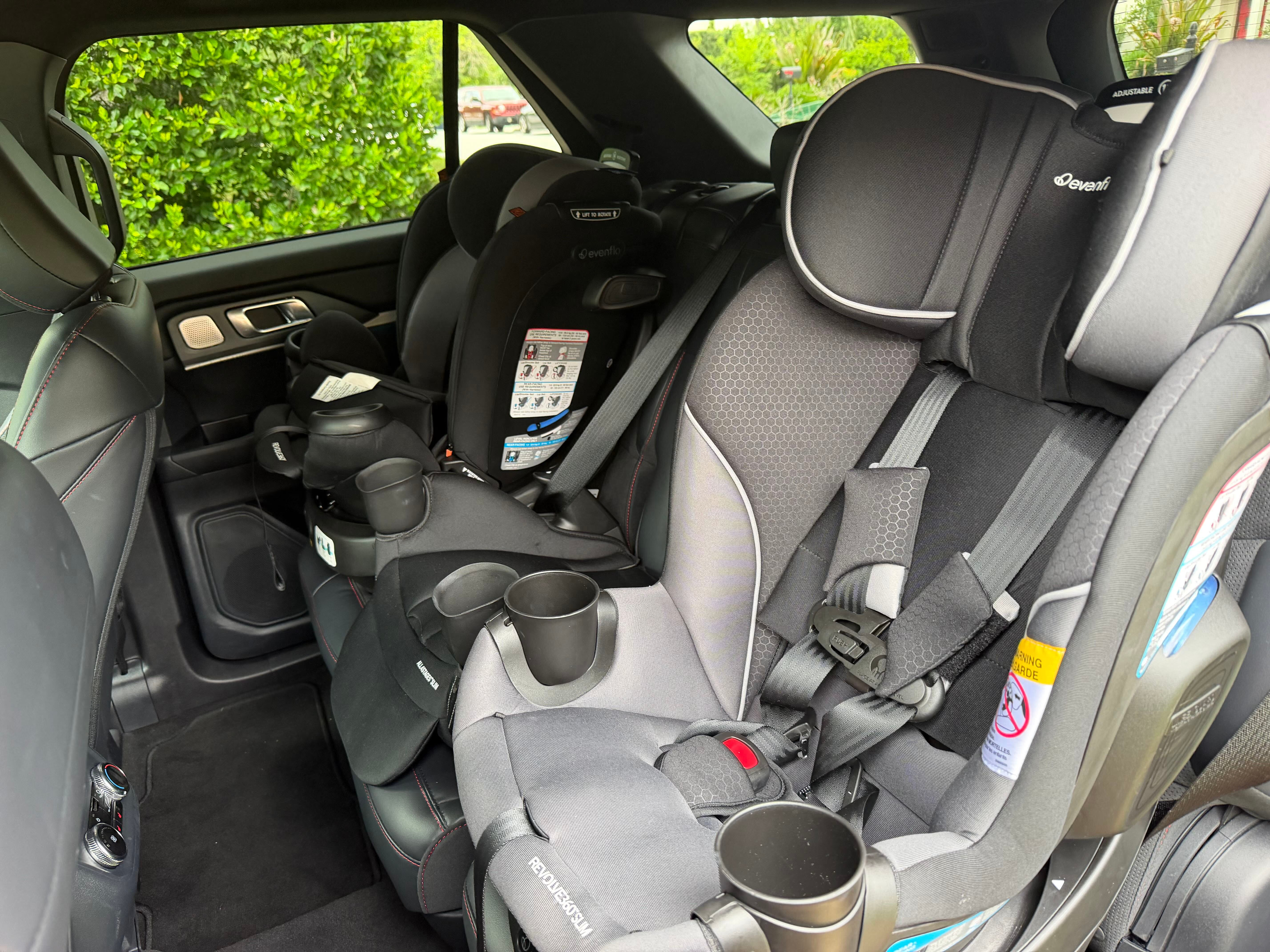
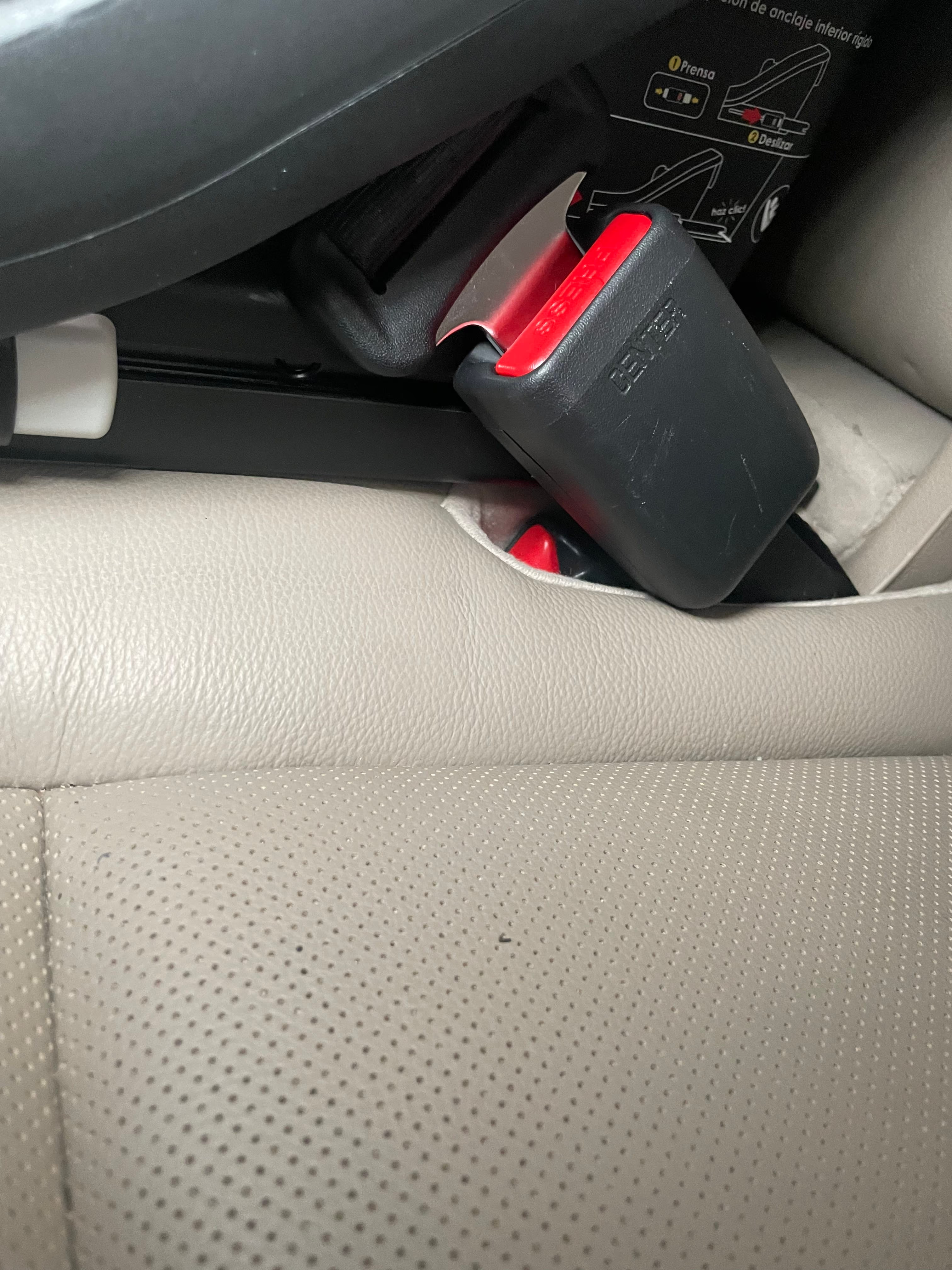
Try a different seat in the center position first, since shell shapes vary a lot between models. A seat with a higher belt path, like a forward-facing Graco SlimFit3 LX, can free up the buckle next to it. Installing the outboard seats with lower anchors instead of the belt can also help if there's room.

When in doubt, get it checked.
3-across setups are some of the trickiest installs a CPST helps with, and it's a more common request than you'd think.Whether or not you're confident in your install, having a certified technician double-check it is always worth the time. You can find someone local using this link or you can book a virtual consult with one of the Safe in the Seat CPSTs.
What if it's not all car seats?
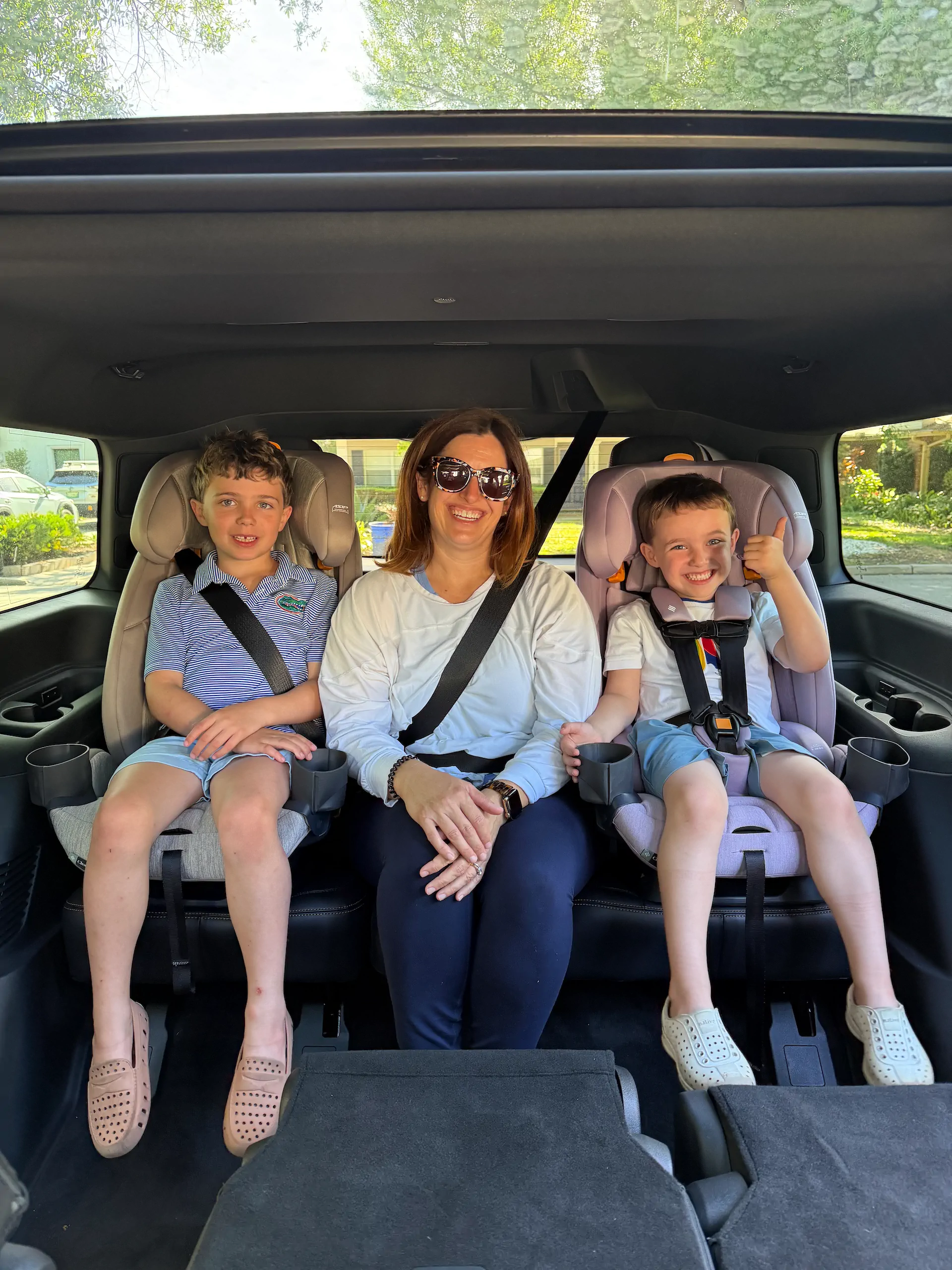
One car seat, two adults or teens.
This is usually your easiest scenario. A narrow car seat still helps everyone stay comfortable, and the middle is often the best spot for it since it tends to be the tightest position anyway.
Two car seats, one adult or teen.
One of the most common setups growing families run into. The teen often takes the center if there's room, though some families prefer keeping the car seats side by side instead. Whichever seat is hardest to buckle or adjust, try to keep it in an outboard position.
A booster kid in the middle, two younger kids in seats.
This one tends to work out nicely, since a booster-aged kid can usually buckle themselves, freeing you up to help the younger two. You'll want a very narrow booster for that middle spot, like a Bubblebum or even a RideSafer Travel Vest. Just make sure they've got head support to at least the top of their ears, or they'll need to move outboard.
An adult in the middle between two car seats?
Depends entirely on the vehicle. Once two car seats claim the outboard spots, some vehicles just don't have enough width left over. Sit in the middle yourself, with both seats installed, before you count on this working.
Third-row 3 across with younger kids.
Third rows tend to be narrower and shallower than second-row benches, which makes rear-facing seats especially tough back there. Look for something both narrow and compact, like the Graco SlimFit3 LX. Third rows are also more likely to have fixed headrests, so check that compatibility before you plan around it.
What should I look for if I'm buying a new car?
If 3 across is on your mind while vehicle shopping, here's the checklist:
Bring your car seats to the dealership. I mean it. Check the headrests, buckle all the belts to look for overlap, and then actually try your seats in the vehicle. If they don't fit, you'll know whether narrower seats might solve it or whether it's time to look at a different vehicle.
As categories go, minivans generally offer the widest, flattest benches and the easiest access, which is why they're the most commonly recommended. Large SUVs are similar in width with a higher ride height, though getting in can be more of a climb. Midsize SUVs are hit or miss and really do require individual research. And don't rule out sedans. It might surprise you, but a lot of full-size sedans can pull off 3 across with the right seat combination.
Our Favorite Vehicles for 3 Across

Trucks
- Ford F Series (SuperCrew Cab)
- Toyota Tundra (Crew Max Cab)
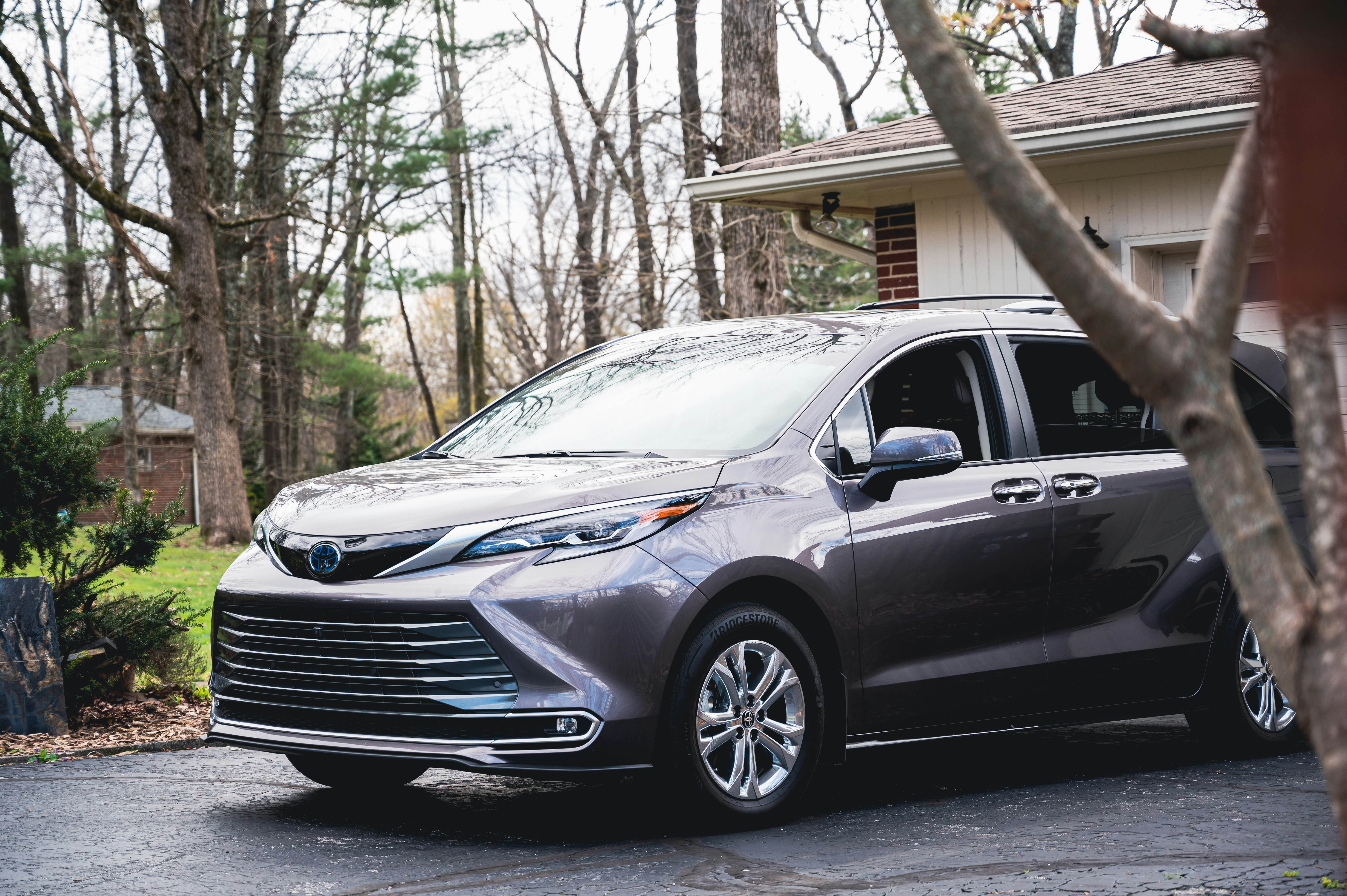
Minivans
- Honda Odyssey
- Kia Carnival
- Toyota Sienna
.jpg)
2 Row SUVs
- VW Atlas Cross Sport
- Ford Edge
- Subaru Forester
.jpg)
3 Row SUVs
- Ford Expedition
- Lincoln Navigator
- VW Atlas
- Acura MDX
- Audi Q7
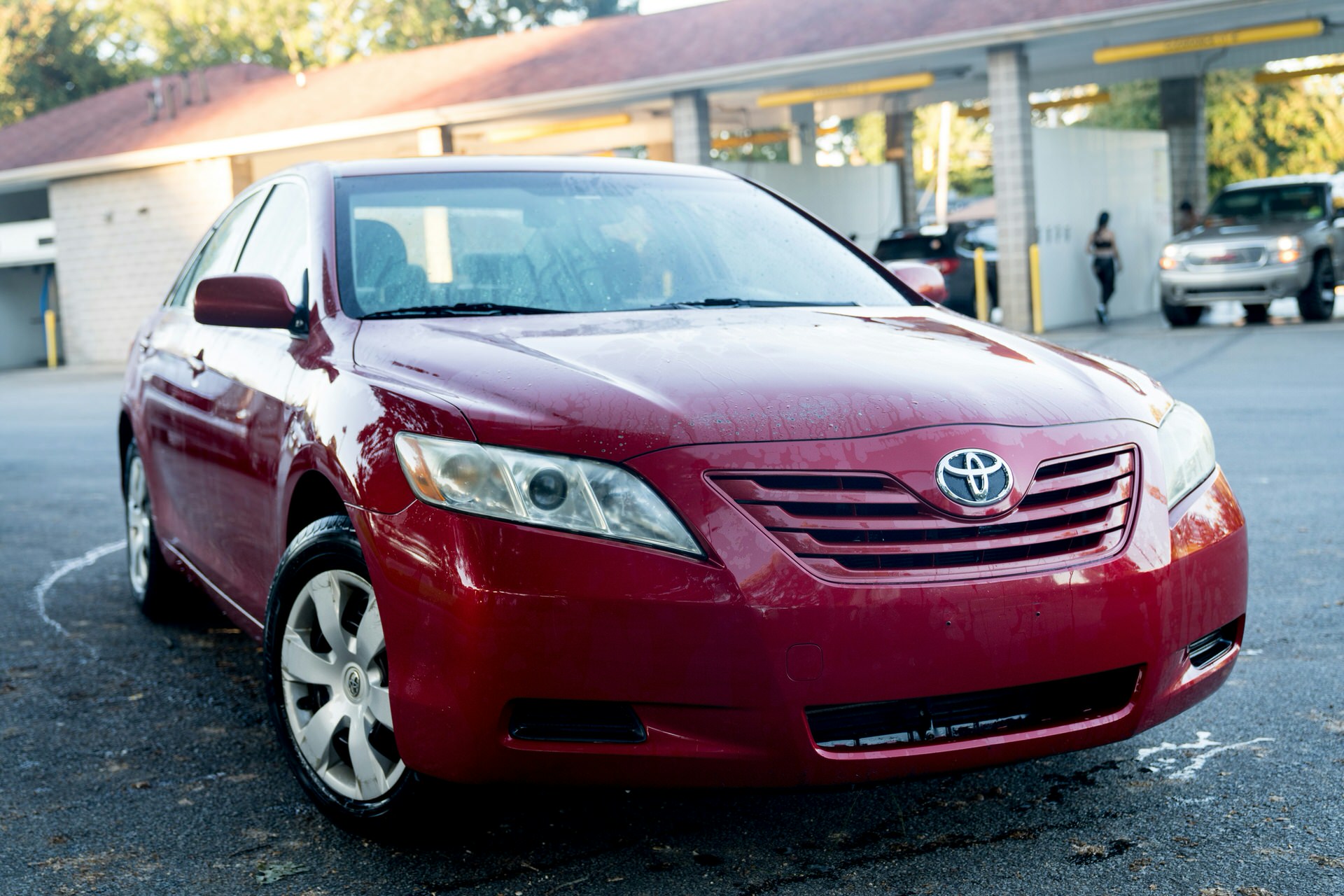
Sedans
- Dodge Charger
- Toyota Camry
More Articles Written by the Safe in the Seat Team about Three Across
For CPSTs & the Seriously Detail-Oriented
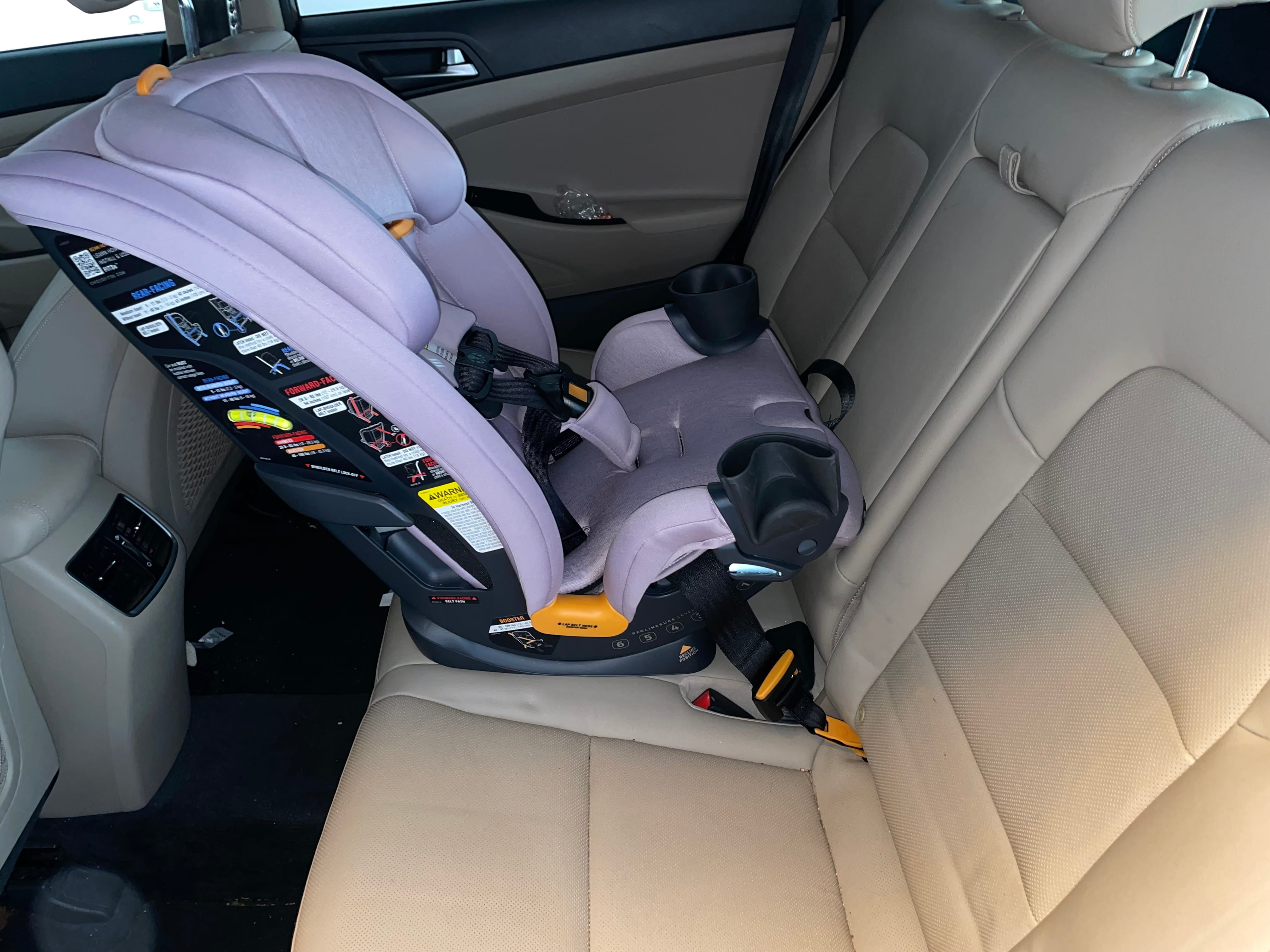
LATCH borrowing means using the lower anchors from an adjacent outboard seating position to install a seat in acenter position that lacks its own dedicated anchors. Many vehicle and car seat manufacturers explicitly prohibit this, since it was never tested or designed to work that way. Always check both the vehicle owner's manual and the car seat manual before attempting it, and if either says no, don't do it, even if it seems to click into place.
Practically speaking, it's rarely a great solution anyway. Borrowed center lower anchors overlap the seat belts in the outboard positions, which can render one or both of those seats unusable.
If your vehicle has a dedicated center LATCH position (its own independent anchors, no borrowing needed), that's often a sign the bench itself is on the wider side. Even then, we generally still recommend using the seat belt for the two outboard seats, since it lets you slide them closer to the doors.
CPSTs can refer to the LATCH manual to see if LATCH borrowing is allowed. Always make sure to use the most up-to-date version of the manual.
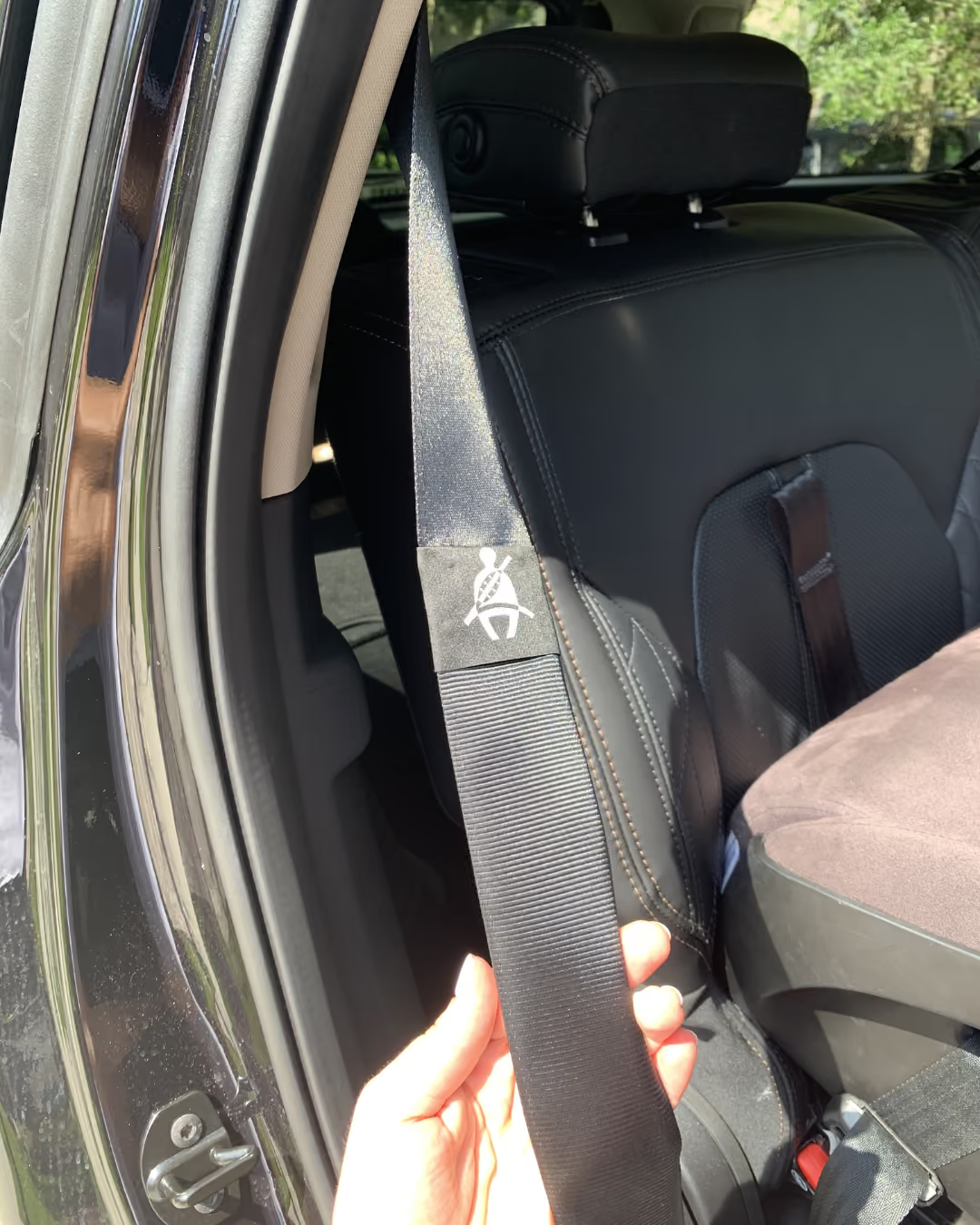
Inflatable seat belts aren't common, so most families will never encounter this. Some Ford and Lincoln vehicles made before 2021 have them. You can usually spot one because the buckle looks different from the standard one, and the belt itself feels noticeably thicker.
A handful of car seats are designed to work with Ford/Lincoln inflatable belts, though options are limited. Narrower options include the Clek Foonf, Clek Fllo, and Graco Slimfit3 LX.
If you have a Mercedes equipped with BeltBags, no car seats are compatible with them other than the RideSafer Travel Vest. That means 3 across generally won't be possible for these vehicles. You can try installing the outboard seats with lower anchors if the children are small enough, but the middle child would need a RideSafer Travel Vest.
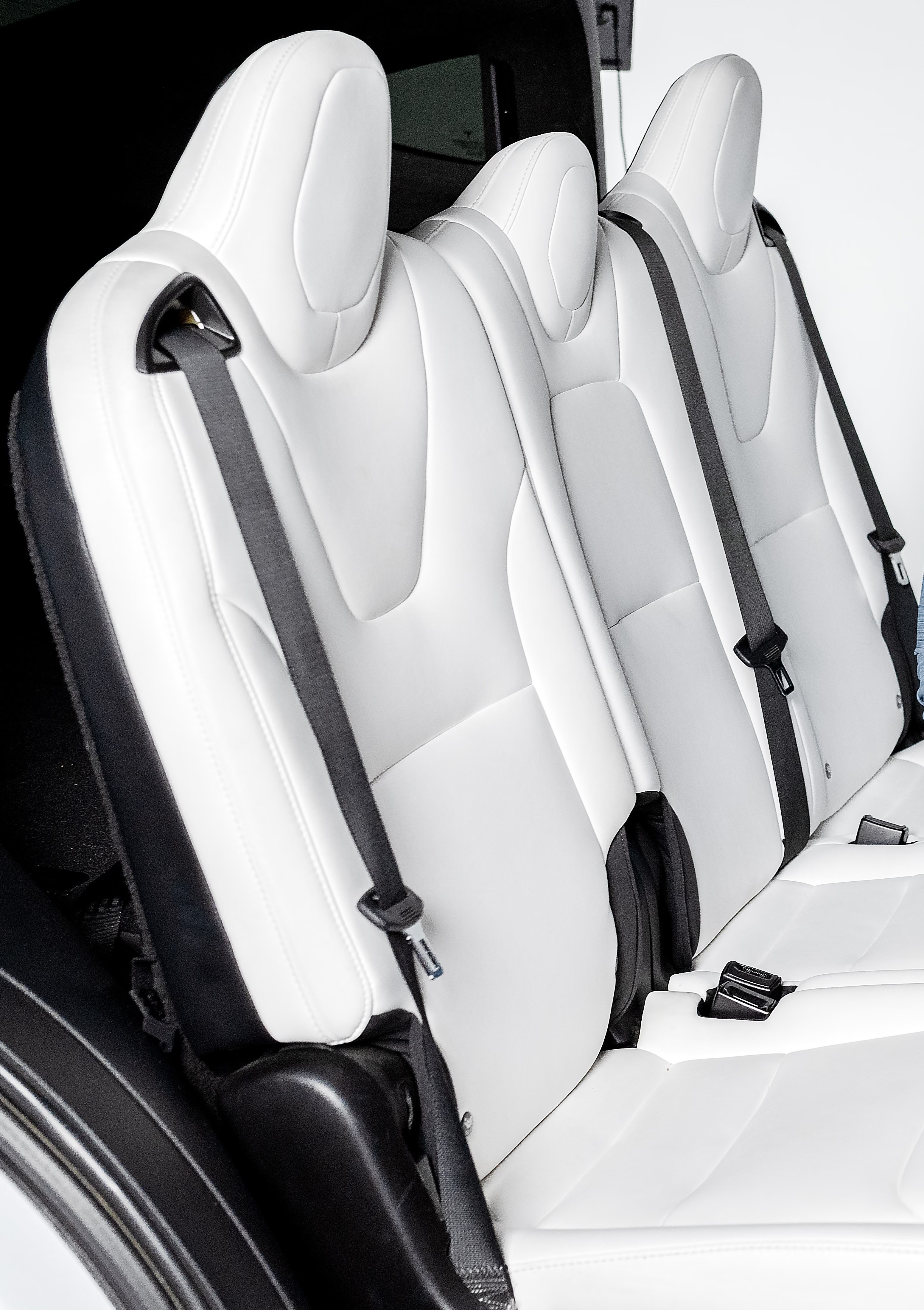
Vehicle head restraints can be surprisingly important when you're trying to fit three car seats across. Some vehicle head restraints can be removed or adjusted enough that they don't interfere with a forward-facing car seat or high-back booster. Others are fixed in place and tilt forward, which can make certain car seats incompatible with that seating position.
Always check the car seat manual for its rules about vehicle head restraint interference. Some car seats allow the vehicle head restraint to touch the car seat, while others require the car seat to sit flush against the vehicle seat back. If the head restraint pushes the top of the car seat forward and creates a gap behind that you aren't sure about, you can always send pictures for the manufacturer to look over.
This is especially important with high-back boosters. A vehicle head restraint that protrudes forward can push a booster away from the vehicle seat back, and some booster manufacturers don't allow that gap. In a 3-across setup, this can eliminate an otherwise great seating position.
A final reminder
You don't have to become a 3-across expert. You just need a setup that works for your kids, your car, and the way your family actually uses it. Sometimes that's the three seats you already own in a different order. Sometimes it's swapping one seat. Sometimes the third row is the better answer. And occasionally, a vehicle simply won't give you the configuration you need. Our job is to help you figure out which one it is without buying three new seats just to find out.
Trying to make the seats you own work? → Get 3-Across Help
Need a narrower seat? → Find the Right Car Seat
Shopping for a vehicle? → Best SUVs for 3 Car Seats
FAQs
Yes, it is often possible to fit 3 rear-facing seats across a back seat. For most vehicles, you will want to choose seats that are both narrow and compact. Clek Liing is a good compact option for infants and Britax Poplar can be a good option for a convertible car seat.
There is no single hard number, but a hip width of at least 54 inches gives you a good chance of success with a reasonable range of seat choices. Below that, 3 across may still be possible, but you will likely need narrower seats and a more careful configuration.
There are many narrow car seats on the market now. Most infant seats are narrow enough to fit 3 across. For convertible car seats, we often recommend Chicco Fit3x, Graco Slimfit3 LX, Clek Foonf, and Evenflo All4Stages Slim. The Evenflo All4Stages can also be a good option for already forward-facing kids because it has high-back and backless booster modes that can be used once the harness is outgrown. For high-back boosters, we recommend looking at Peg Viaggio Flex, Axkid Up, and Baby Trend Koa Slim. The narrowest backless boosters are Bubblebum, Diono Solana Lite, and Cosco RiseLX.
Yes, car seats are allowed to touch side to side in most cases. What matters is that no seat's shell is visibly bending or flexing from the pressure, and that none of the seats shift when you close the vehicle's doors. If you see either of those signs, something in the configuration needs to change.
This is typically not possible in most vehicles. Most vehicles only have 2 sets of lower anchors in the second row bench seat. If your vehicle is wide enough to have 3 sets of lower anchors, like in a Ford Expedition, you may be able to install all of the car seats with lower anchors if the seats are very narrow.
Sometimes, depending on the vehicle and the car seats. The middle seat tends to be the narrowest in the vehicle. This position may be too narrow for some boosters or it may not have enough head support for a backless booster rider, since they need to have head support to at least the top of their ears.
Consider whether adjusting your seat combination, installation method, or seating order might solve the issue before assuming a new vehicle is required. If none of that works, a CPST can sometimes spot a solution you have not tried, and if it truly cannot be done, it may be time to consider a different vehicle. You can find a CPST in person near you or book a virtual consult with a Safe in the Seat CPST.
Yes, with full-size sedans and the right selection of narrower seats, it can be possible to fit 3 across. Some midsize SUVs have wide, flat benches that work well, while others are too narrow or have significant seat belt overlap.
This depends on a mix of factors: which seat is narrowest, which child is easiest to buckle independently, and which arrangement satisfies top tether requirements for any forward-facing seats.There is rarely one universal right answer, and it often takes some trial and error.
In most cases, aftermarket accessories are not allowed. Exceptions would be if the manufacturer makes the item and says it can be used with the seats or if a manufacturer says in the manual that a vehicle seat protector or towel may be used under the seat.
No. Anything attached to the car seat, including toys clipped to the handle or straps, is not crash-tested and can become a projectile or compromise the seat's structure in a crash. Clip toys to your child's clothing using a pacifier clip instead. Our post on the best car seat toys has safe toy ideas and the right way to use them in the car.
Mirrors are a parental discretion sort of thing. But if you decide to have one, make sure it is soft-sided like these. Cameras are not recommended and are illegal in some states. The viewing monitor is a driver distraction and potentially a dangerous projectile in a crash.
No. Anything not included with or sold by your car seat's manufacturer has not been crash-tested with your specific seat. This includes neck pillows, head support inserts, strap covers, and any other add-on products. Using them can alter how the seat performs in a crash and may void your warranty. Our post on car seat protectors and aftermarket accessories explains why this matters and what safe alternatives exist.
Only if it came with your car seat or is sold specifically by your car seat's manufacturer as a compatible accessory. Aftermarket head support inserts and additional padding have not been crash-tested with your seat and can interfere with how the harness fits and how the seat performs in a crash. If your baby's head is flopping forward or to the side, check harness positioning, seat recline, and consider whether your seat is the right fit for your child's current size. A CPST consult can help you solve this safely.