When you’re away from home, even small accidents can turn into big inconveniences. A scraped knee at the park, a headache on a road trip, a rash from an insect bite, or even a burn from a take-out container can have you completely scrambling.
At home, you have the resources to handle setbacks like this. But when you’re out? You’re often left improvising. That’s where a well-stocked first-aid kit in your car makes all the difference. It can turn a stressful disaster into a totally manageable mishap.
Many drivers don’t have a first-aid kit in their car at all. And if you do have one, do you know it includes all the right items? You don’t need a post-apocalyptic survival kit, but you do need more than a handful of Band-Aids, Neosporin, and your smartphone.
To help you prepare for common incidents, from minor injuries to sudden illness on the go, we’re sharing our ultimate first-aid checklist for your car. This guide will walk you through exactly what to include, what to replace regularly, and how to build a kit that actually works when you need it.
First-Aid Box for Car: The Ultimate Checklist for Drivers
We often use the term “defensive driver” when talking about vehicle safety. It usually means you’re anticipating potential problems and staying ready to respond. Maybe someone suddenly brakes, a car swerves into your lane, or there’s debris in the road. A defensive driver is alert and prepared to react.
But at Safe in the Seat, we think being a defensive driver goes beyond what happens on the road. It’s not just about avoiding accidents. It’s about being prepared for everything that comes with being out and about. Because if you’re a parent, you know it’s never just the drive.
You need to be ready for what to do if your car suddenly breaks down, how to handle potty emergencies on the go, how to drive in unexpected weather conditions, and, yes, even navigate minor injuries or illness. That’s what we’re focusing on today.
Because to be truly prepared, safe, and in control, you need more than good driving habits. You also need a fully stocked car survival kit in your car and know how to use it.
What Is a First-Aid Box for Car?
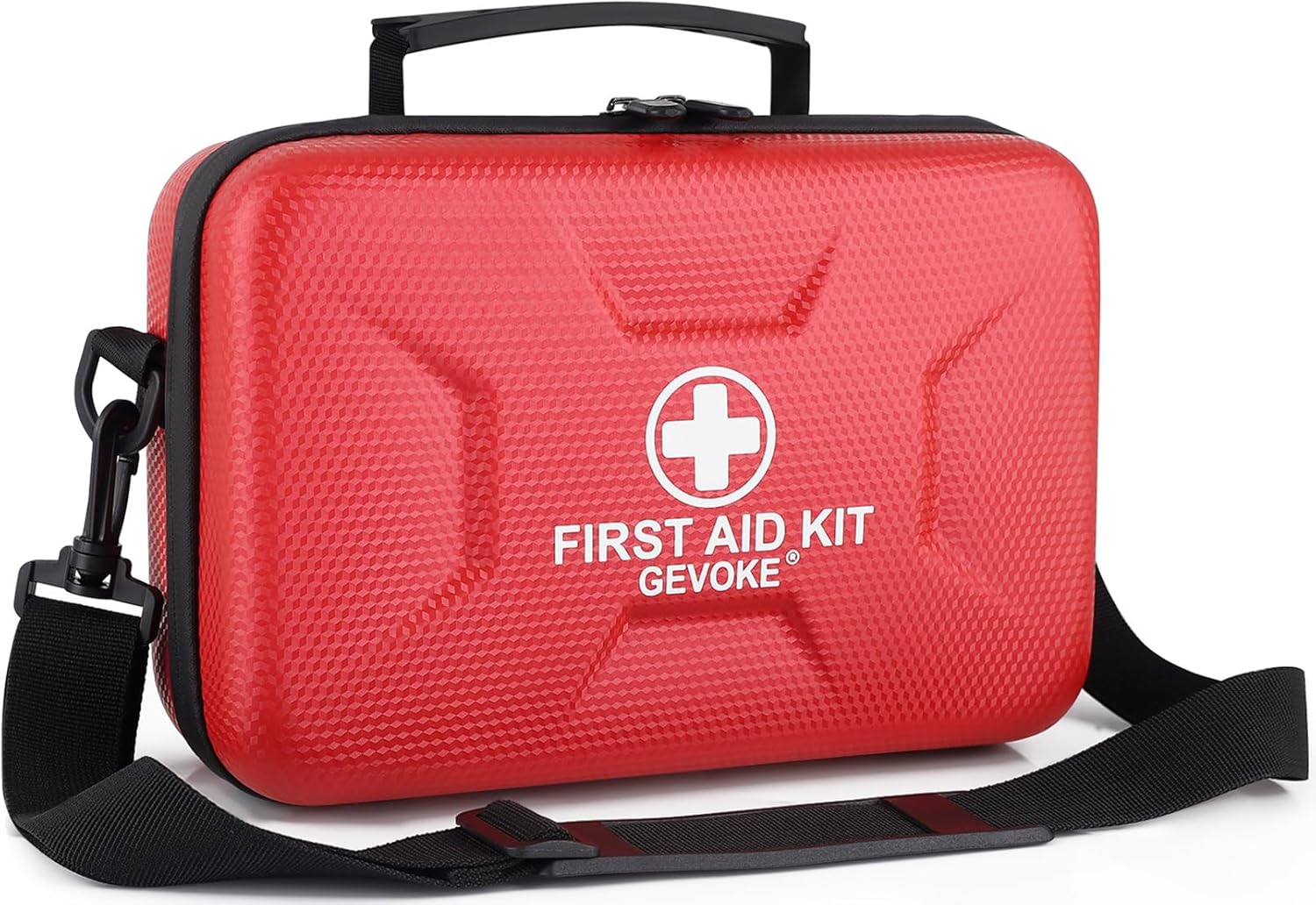
A first-aid box for a car is a portable kit stocked with essential medical supplies to handle minor injuries and common health issues on the go. The content can help you treat things like cuts, burns, headaches, nausea, or allergic reactions when immediate care isn’t accessible or necessary.
Do You Need a First-Aid Kit in Your Car?
Yes, you need an auto first-aid kit in your car. It’s not legally required, but it keeps you prepared for common emergencies. It also gives you peace of mind when you’re out and about. Whether you’re on a cross-country road trip or headed to the pool around the corner, you know your first-aid kit’s got you covered.
What Should Be in a Car First-Aid Kit?
Your car first-aid kit should include everything you need to handle everyday issues like minor wounds, burns, rashes, bites/stings, allergic reactions, headaches, fever, stomach issues, and eye irritation.
That said, don’t think of your first-aid kit as a replacement for true medical care when needed. This is not for handling a big roadside emergency like a car accident. Instead, think of it as your on-the-go version of a home medicine cabinet - something that helps you quickly deal with small problems before they turn into bigger ones.
Here are the first-aid supplies you should have in your car:
Basic First Aid Tools
- Tweezers
- Small scissors
- Disposable gloves (multiple pairs)
- Digital thermometer
- Instant cold packs
- Saline solution or eye wash
Wound Care and Infection Prevention
- Antiseptic wipes (alcohol or iodine)
- Antibiotic ointment
- Adhesive bandages
- Sterile gauze pads (various sizes)
- Non-stick pads (for burns or larger wounds)
- Medical adhesive tape
- Blister treatment (moleskin or bandages)
Bleeding Control and Emergency Care
- Compression bandage (ACE wrap)
- Hemostatic gauze (for serious bleeding)
- Tourniquet (for severe emergencies)
Medications and Symptom Relief
- Antihistamines (for allergic reactions)
- Child-safe pain relievers
- Anti-nausea medication
- Anti-diarrheal medication
- Hydrocortisone cream (for rashes or bites)
- Sting relief wipes or pen
Burn Care
- Burn gel or burn dressing
- Aloe vera gel (travel size)
Splinting and Support
- Elastic wrap (if not already included above)
- Finger splint or SAM splint
Kid- and Baby-Specific Supplies
- Electrolyte packets or drinks
- Extra wipes (hands, faces, clean-up)
- Extra outfit
- Disposable changing pads
- Diaper cream
- De-choking device
Clean-Up and Containment
- Hand sanitizer
- Disinfectant wipes
- Paper towels
- Tissues
- Trash bags or zip-top bags
Hygiene and Personal Care Extras
- Toothbrush and mini toothpaste
- Feminine hygiene products
Outdoor and Seasonal Protection
- Sunscreen
- Bug spray
- Lip balm (with SPF)
- Cooling towel
- Hand warmers
- Extra water
What’s the Difference Between a First-Aid Kit and an Emergency Kit?
A first-aid kit and a car emergency kit do two different jobs, even though you keep them in the same place. A first-aid kit helps you treat people. You use it to handle cuts, burns, allergic reactions, headaches, and stomach issues when you’re away from home.
On the other hand, for things like breakdowns, a car emergency kit helps you handle the situation around you. You use it when your car won’t start because of a dead battery, when you get stranded, or when conditions change quickly. It includes practical tools and supplies like a flashlight, resqme® Car Escape Tool, jumper cables, tire rapid kit, road flares, duct tape, and items to stay warm or maintain body heat.
Ultimately, your first-aid kit treats injuries; your car emergency kit helps you stay in control of situations. Ideally, you keep both in your car so you’re ready for whatever comes up.
If you want a complete list of vehicle essentials, here’s what to keep in your car so you’re ready for (almost) anything.
How to Make a First-Aid Kit for Car
Step One: Make a checklist of items customized to your family.
Start by building a list based on your specific needs. The age of your passengers, the weather in your area, your family’s medical needs, and the types of trips you take should all guide what you include. Use the checklist above as your starting point, then adjust from there.
Step Two: Purchase your items and pack them in a soft-sided, insulated container.
Once you have your list, gather your items and choose a container that fits everything with a little room to spare. We recommended you purchase a soft-sided, insulated bag. The insulation helps protect supplies and medications from heat. Additionally, a soft-sided option reduces the risk that the kit will become a projectile in a crash.
Step Three: Organize and label everything for easy access.
When you need something out of your first-aid kit, chances are you’ll need it STAT. Use small reusable bags to group similar items together, then label each category clearly. Arrange items so your most-used supplies are easy to grab.
Step Four: Keep instructions and emergency info visible.
Include a simple first-aid instruction guide so you’re not relying on memory in a stressful moment. Add a list of emergency contacts, along with important medical information like allergies, medications, and conditions for each family member. Keep this information clearly labeled and easy to find so anyone can access it quickly if needed.
Step Five: Store the kit somewhere easy to reach, but not in the way.
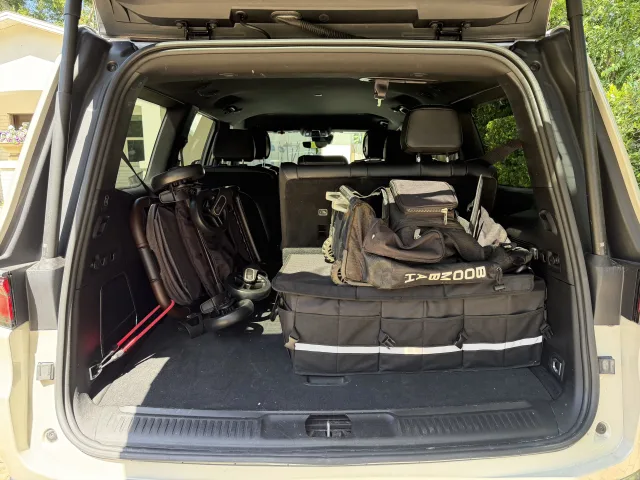
Choose a spot that’s easy to access when you need it but won’t get stepped on or tossed around. The trunk, a backseat organizer, or under a seat can all work well. Make sure the kit stays in place and won’t slide around during sudden stops or turns. Also, ideally, you want to keep it out of high-traffic areas where kids are climbing in and out.
Step Six: Check and restock it every 6 to 12 months.
Supplies get used, misplaced, or damaged over time, so set a reminder to go through your kit every 6 to 12 months. During each check, replace anything you’ve used, restock missing items, and reorganize supplies if needed. Taking a few minutes to do this regularly ensures your kit stays complete, organized, and ready when you actually need it.
Step Seven: Replace expired or heat-damaged supplies.
Medications, ointments, and certain materials can break down over time and with heat exposure. Check expiration dates and look for signs of damage, like leaks, discoloration, or dryness. Replace anything that isn’t in good condition to keep your kit safe and effective.
Be prepared for anything with a well-stocked auto first-aid kit.
At the end of the day, this isn’t about overpacking or preparing for worst-case scenarios. It’s about making everyday situations easier to handle when you’re away from home. When something small comes up (and it will), you won’t be scrambling, you’ll know exactly where to turn and what to do.
That said, having the right supplies is only part of the equation. It’s just as important to know how to use them. Taking a basic first-aid class, learning CPR, and becoming comfortable with simple emergency response skills can make a huge difference when it matters most.
Check in with your local Red Cross for first-aid resources. And, of course, for more vehicle safety information, browse the Safe in the Seat blog.
As an Amazon Associate, Safe in the Seat earns from qualifying purchases.