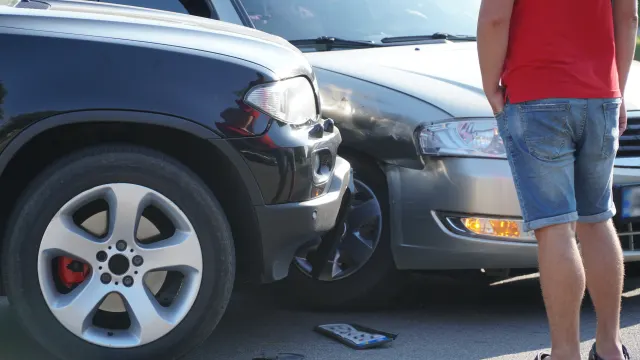
Driving at night is objectively more difficult and more dangerous than driving during the day. The statistics prove it. You are about three times more likely to be involved in a fatal car crash at night compared to during the day. Some research suggests the risk may be even higher! Of course, reduced visibility is a major contributor. However, there are plenty of other factors that contribute to the danger as well.
To help you understand why it is so important to drive cautiously at night, we are breaking down what makes driving after dark riskier. We’ll also share key safety tips to help you arrive safely at your destination. These insights will help you stay alert, adjust your driving habits, and reduce your risk once the sun goes down.
Why Should You Drive Slower at Night? Key Safety Tips
Being a safe driver is about more than passing a test and knowing traffic laws. To truly stay safe behind the wheel, you’ll need to make calm, calculated decisions in all kinds of situations. Whether your car breaks down on the side of the road, you hit unexpected bad weather, or traffic suddenly comes to a stop, your ability to respond wisely makes all the difference.
One of the most common, less-than-ideal driving situations you’ll encounter is night driving. It’s unavoidable, especially when daylight hours shorten during the colder months. This means you need a plan to reduce your risk and prevent accidents. And that starts with understanding exactly what makes driving after dark more dangerous.
Here’s what you need to know about driving at night:
Is It Dangerous to Drive at Night?
Yes! Driving at night is considerably more dangerous than driving during the day. Only about a quarter of all driving happens after dark, yet it accounts for up to 30% of all crashes and roughly half of all traffic fatalities. That disproportionate risk is exactly why slowing down and staying alert at night matters so much!
Why Should You Drive Slow at Night?
Reduced Visibility
We all know it’s harder to see at night. But it’s not just more difficult because of low light. In the dark, your depth perception, color recognition, and peripheral vision are all limited too. Even with headlights, you can only see a fraction of what you’d normally see in daylight. Driving slowly gives you more time to identify potential hazards, like pedestrians, animals, debris, and stalled vehicles.
Increased Driver Fatigue
Our brains tell us it’s time to sleep when the sun goes down. So, naturally, fatigue sets in when it’s dark outside. Even if you don’t feel particularly tired, research shows we’re less alert and have slower reaction times at night. Driving slower allows us to compensate for the potential grogginess.
Headlight Glare
Oncoming headlights can be temporarily blinding at night. This is especially true with LED lights or high beam settings. The glare can prevent you from seeing the road entirely for several seconds (which is a lot of time when driving 50+ mph). Reducing your speed shortens the distance you travel and helps you maintain control when headlights block your view.
Hazardous Weather Conditions
As the sun sets, temperatures drop. That shift can create frost, ice, fog, or moisture on the road. In the dark, you may not spot these hazards until you are right on top of them. When you lower your speed, you give yourself more time to react and maintain control of your vehicle if conditions suddenly change.
Higher Risk of Impaired Drivers
After dark, there’s a much higher percentage of impaired drivers on the road, whether due to alcohol, drugs, or extreme fatigue. Even if you’re driving responsibly, you may need extra time to react to someone else’s unpredictable behavior. Slowing down at night is part of defensive driving, which is essential to traffic safety and accident prevention.
How to Drive at Night
Be mindful of your fatigue levels.
Earlier, we categorized fatigued drivers as impaired drivers. That distinction matters! Research actually finds that drowsy driving and drunk driving are equally dangerous. So, it’s important you don’t minimize any fatigue you may feel when driving at night.
If you’re struggling to keep your eyes open, nodding off, or zoning out for several minutes at a time, you’re too tired to drive. Instead of pushing through to reach your destination faster, choose a safer alternative.
Pull into a safe area and walk, stretch, and get some fresh air. Even consider taking a quick 15-20 minute nap! If traveling with someone else, swap who’s behind the wheel. But if you’re alone and truly can’t regain your energy, it’s best to call a rideshare, book a hotel, or ask someone to pick you up.
Limit potential distractions.
It’s already more difficult to see at night, meaning staying vigilant is incredibly important. However, there are lots of distractions in your vehicle that can pull your attention (or even your eyes) away from the road. Do your best to limit these so you can stay fully focused on your surroundings. Doing so allows you to react quickly and efficiently to anything that appears ahead.
If you’re unsure what to watch out for, here is a list of common driving distractions.
Use headlights correctly.
When driving at night, you need to know how to appropriately use your headlights. You should use high-beam headlights when no other drivers are in sight to maximize your visibility. However, when you spot another car, switch to low beams until they pass. This ensures that you don’t blind the other driver as they approach.
And if it’s foggy? Stick with low beam headlights the whole way. High beams can reflect off moisture in the air, reducing visibility even more. For more on this, read our safety tips for driving in the fog.
Keep your windshield clean.
Most drivers pay little attention to how clean or dirty their windshields are, but it’s a bigger issue than they realize! Smudges, streaks, and dust particles can scatter light from oncoming headlights and streetlights, worsening glare. It can also cause more condensation to build up inside your car, fogging your windshield and making it even harder to see.
For more tips, check out our guide to improving visibility when night driving. It’s an insightful post, all drivers should read!
Reduce your speed.
Driving slower at night is one of the best and easiest ways to reduce your risk of getting into a collision. When you drive slower, you give yourself more time to notice obstacles, read traffic signs, and react to other drivers and potential road hazards. As a general rule, try to drive at least five mph under the speed limit when it’s dark outside.
And before you bring up the idea that driving slower prevents you from getting to your destination in a timely fashion, guess again. Or, rather, let us do some simple math for you:
- For a 30-mile trip, going 55 mph instead of the posted 60 mph would add 2 minutes and 45 seconds to your trip.
- For a 100-mile trip, going 65 mph instead of the posted 70 mph would add about 6 minutes to your trip.
See what we’re getting at? Reducing your speed can significantly decrease your risk of getting in an accident. And, ultimately, it only adds a few minutes to the total drive time. It’s definitely worth it!
Increase the following distance.
During the day, experts generally recommend keeping a three- to four-second following distance (about 300 feet) from the vehicle ahead. At night, increase that gap to four to six seconds, or about 500 feet. The extra space gives you more time to react if traffic suddenly slows, stops, or changes direction.
Watch for wildlife and pedestrians.
You should always be on the lookout for pedestrians or stalled motorists, even at night. There are many reasons someone may be on the side of the road after dark, whether they’re changing a tire or enjoying a late-night run.
Reduced visibility makes it much harder to spot someone in dark clothing or standing near an unlit vehicle. Slowing down and scanning the sides of the road gives you more time to recognize what’s ahead and respond safely.
Wildlife is another risk many drivers forget about after dark. In many areas, dusk and nighttime hours increase your chances of encountering deer, raccoons, opossums, coyotes, foxes, skunks, or even livestock. Some animals are more active at night and can run into the road without warning.
Stay alert and use your high beams when appropriate. And always remember to brake firmly rather than swerve if an animal crosses your path. Swerving can lead to losing control or colliding with another vehicle, which is often far more dangerous than the animal itself.
Adjust your driving based on the weather.
Bad weather makes driving difficult during the day, and it creates even greater risks at night. Rain, snow, and fog further reduce visibility that is already limited after dark. On top of that, wet roads can reflect headlights, creating glare, while fog can distort distance and depth perception.
Before driving at night, it’s a good idea to check the forecast and make sure you are prepared for the conditions. Slow down, increase your following distance, and use your headlights properly. Most importantly, be willing to pull over and wait for bad weather to pass if necessary. Arriving late is always safer than pushing through unsafe conditions.
Slow down and stay alert when driving at night.
Driving at night is not something you can avoid entirely, but it is something you can prepare for. Small adjustments, like slowing down, increasing your following distance, and limiting distractions can significantly reduce your risk after dark.
The goal is not to drive in fear. The goal is to drive with awareness. When you recognize the added challenges of nighttime driving and adjust accordingly, you give yourself more time and space to react safely. In traffic safety, that extra time can make all the difference.
For more vehicle safety information and driving tips, browse the Safe in the Seat blog.