
Last Updated: 11/23/26
It’s 2 a.m. Your phone is buzzing on the nightstand with an evacuation alert. You’re in the hallway trying to remember where the diaper bag is while your toddler sleeps through all of it.
A bug out bag is what makes that moment go faster. A bug out bag is a packed bag with everything your family needs for about 72 hours away from home: water, food, clothes, first aid, light, important papers, and the extra things your kids need. You grab it, buckle everyone into their car seats, and go.
I talk about car seats all day, but keeping your family safe doesn’t stop at the harness. Here’s what to pack, what to add for babies and kids, and where to keep the bag so it’s ready when you need it, including in the car.
What Is a Bug Out Bag?
A bug out bag is a portable emergency kit you can grab on your way out the door. It’s built to get your family through at least 72 hours if you have to leave home fast, like during a wildfire, flood or hurricane evacuation. The Red Cross recommends a 3-day supply for evacuations.
Why Is It Called a Bug Out Bag?
“Bug out” is military slang for leaving in a hurry, so a bug out bag is the bag you grab when it’s time to go. You’ll also see it called a go bag or a 72-hour kit.
Do You Really Need a Bug Out Bag?
If you live where wildfires, hurricanes or floods happen, a bug out bag is one of the easiest ways to control the controllable. Even if you don’t, emergencies happen everywhere. A gas leak, a long power outage or a breakdown far from town can all send you out the door with no notice. That’s why Ready.gov recommends every household keep an emergency kit.
Families use bug out bags most for:
- Evacuation orders for wildfires, hurricanes or floods
- Long power or water outages
- A car breakdown away from help
- Any time you have to leave home and don’t know when you’ll be back
Bug Out Bag Checklist
Here’s the short version. Details for each item are below.
- Water (some in the bag, plus a filter straw or purification tablets)
- No-cook food and snacks for 3 days
- A change of clothes and a warm layer for everyone
- Emergency blankets
- First aid kit and prescription medicine
- Flashlight or headlamp, extra batteries and a phone battery pack
- Whistle, multi-tool, duct tape and a paper map
- Copies of IDs, insurance cards and medical info in a waterproof pouch
- Cash in small bills
- Baby and kid supplies
What to Put in a Bug Out Bag
Water and a Way to Clean It
Plan on one gallon of water per person per day, which is the Red Cross guideline. For 3 days, that’s 3 gallons per person, and it weighs about 25 pounds. That’s more than anyone wants on their back while holding a toddler, so split it up. Keep a few bottles or a refillable bottle in each bag and add a filter straw or purification tablets. Then keep a case of water by the door or in the car to grab with the bags.
Food That Doesn’t Need Cooking
Pack 3 days of shelf-stable food per person, like granola bars, protein bars, nut butter packets, crackers and pouches. Add a few snacks your kids already love. A familiar treat goes a long way when bedtime is happening in a shelter or a hotel lobby. If you pack anything canned, bring a can opener.
Clothes and Warmth
Pack one full change of clothes for everyone, plus socks, a warm layer and rain gear. Roll each outfit into a zip-top bag so it stays dry. Add an emergency blanket for each person. They weigh almost nothing and hold in body heat if you end up somewhere cold. If you have room, a lightweight tarp and some paracord can make a quick shelter.
First Aid and Prescription Medicine
A basic first aid kit covers most of what you’ll need: bandages, gauze, antiseptic wipes, and pain relievers for adults and kids. Add a week of any prescription medicine your family takes, plus copies of the prescriptions. My first aid box for car checklist works for a bug out bag, too.
Light and Power
Pack a flashlight or headlamp for each adult, extra batteries, and a charged battery pack for your phone. A headlamp leaves both hands free for carrying a sleeping kid. A small solar charger helps if the power is out for days.
Tools
Pack a whistle to signal for help, a multi-tool, waterproof matches or a lighter, duct tape and a paper map of your area. Your phone’s map won’t help if the battery dies or the cell towers are down. Keep the lighter and multi-tool in an adult’s bag, out of kids’ reach.
Documents and Cash
Put copies of IDs, birth certificates, insurance cards and medical info in a waterproof pouch. Add a paper list of phone numbers and some cash in small bills, since card readers don’t work without power.
What to Put in a Bug Out Bag for Kids and Babies
This is the part most bug out bag lists skip, and it’s the part you’ll miss most at 2 a.m.
For Babies and Toddlers
- Diapers and wipes for 3 days
- Formula, bottles and water to mix it, or pouches and snacks for older babies
- A pacifier and a small comfort item, like a lovey
- Infant pain reliever and any medicine your child takes
- 3-4 changes of clothes, since babies go through them fast
- A baby carrier, so your hands are free
For Big Kids
If your child can walk and carry a backpack, give them a small bag of their own. Keep it light enough that they can carry it around the block without handing it to you.
- A water bottle and a few snacks
- A change of clothes and a warm layer
- A small flashlight and a whistle, and teach them when to use it
- A card with your name, phone number and a meeting spot
- A book, small toy or deck of cards
Let them help pack it. Kids who packed their own bag know what’s inside, and that makes it feel familiar.
Where to Keep Your Bug Out Bag
Keep it where you can grab it on your way out, like a hall closet near the door or the garage. Make sure everyone in the family knows where it is.
Can You Keep a Bug Out Bag in the Car?
Yes, and it’s a smart backup if you spend a lot of time on the road. As a CPST, here are the two things I’d want you to know.
Secure it. Anything loose in the car can fly forward in a crash, and a heavy bag hits hard. Put it in the trunk or cargo area, low and behind the back row. If it has to ride inside the car, put it on the floor or buckle it in with a seat belt.
Watch the heat. A hot car is hard on medicine, batteries, food and bottled water. If you keep a bag in the car, swap those items out more often, or keep them in your house bag and grab them on the way out.
Evacuating With Kids in Car Seats
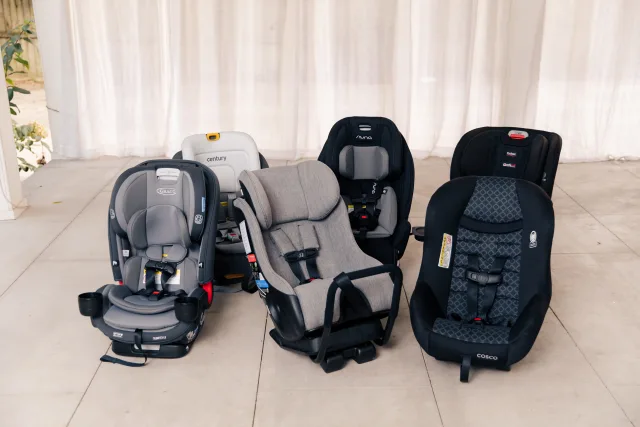
When you have to leave fast, it’s tempting to skip the straps. Your kids are safest in their own car seats, buckled the way they always are, and that matters even more on packed roads with everyone in a hurry.
Leave your seats installed so there’s nothing to set up in the dark. If you might leave in a friend’s or family member’s car, practice installing your child’s seat in that car with the vehicle seat belt ahead of time, using your car seat manual. That way you aren’t learning it in a parking lot at midnight.
How to Build a Bug Out Bag in 5 Steps
- Pick a comfortable bag. A 30 to 50 liter backpack with padded straps works for most adults. Water-resistant is a bonus.
- Start with the essentials. Water, food and first aid go in first. Everything else fits around them.
- Pack by category. Use small pouches, and put first aid, your flashlight and water where you can reach them without unpacking.
- Keep it light. Walk around the block with the bag on. If you want to put it down halfway, take something out.
- Check it every 6 months. Swap out expired food, medicine and batteries, size up kids’ clothes and diapers, and change the warm layers with the seasons. Ready.gov recommends checking your kit at least once a year. Every 6 months is even better with kids, because they outgrow things so fast.
Bug Out Bag FAQs
What’s the Difference Between a Bug Out Bag and a Go Bag?
For most families, they’re the same thing: a bag packed and ready for a quick evacuation. Some preppers use “bug out bag” for a bigger, longer-term kit, but the basics inside are the same.
Should Every Family Member Have Their Own Bug Out Bag?
If you can. Each adult carries a full bag, and kids who can walk carry a small one of their own. If that’s too much to manage, pack one main family bag and a small bag for each child.
Building a bug out bag takes an afternoon. Once it’s packed and by the door, that 2 a.m. alert turns into a plan you already know: grab the bag, buckle the kids and go.
If you’re not sure your kids’ car seats are installed right for everyday drives or the emergency ones, Talk to a Tech and get an answer for your seat and your car. You’ve got this, and I’ve got you.