
Will This Car Seat Fit in My Car?
Probably - but “fits” means more than simply being able to install it. Most car seats fit most vehicles. The better question is whether the seat fits your child, installs correctly in an appropriate seating position, and works for your family’s everyday routine.
For most families, choosing a car seat comes down to your child’s age, size, and needs rather than anything about the car itself. This is why here at Safe in the Seat, we don’t give you a list of all car seats that fit in all cars because it is dependent on so many things! The vehicle is only one piece of the puzzle. But a handful of vehicle features can limit your options. Before you shop by budget or brand, check out whether any of these issues apply to you. If none do, skip ahead to the “Who’s Riding in the Seat” section below and shop with confidence!
Think of this as a starting point, not a guarantee that a particular car seat will work in every seating position. Always check both the car seat manual and vehicle owner’s manual before purchasing or installing.
Does your vehicle have an unusual feature?
1. Inflatable seat belts
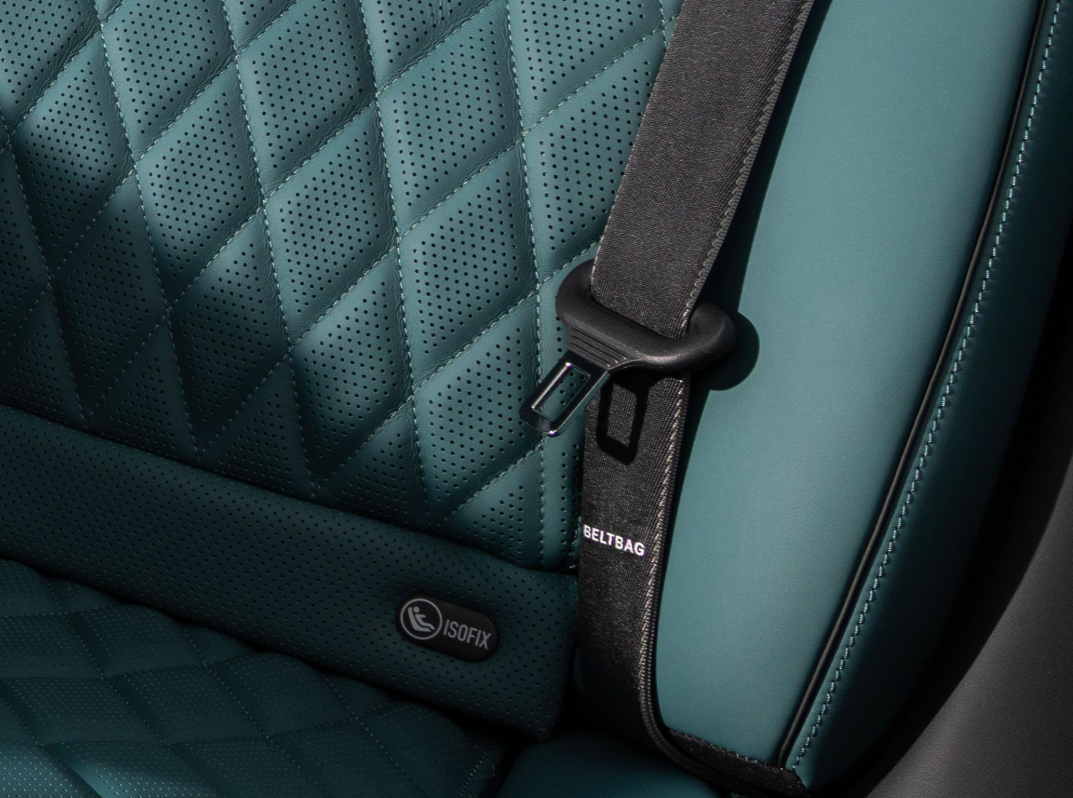
Inflatable seat belts are only found in vehicles made by Ford, Lincoln, and Mercedes. They are thicker than regular seat belts and will have a label that says inflatable belt or beltbag.
- Ford/Lincoln (2011-2020 only)
- Infant Seats: use lower anchors to install, or install in the center seat if it has a normal seat belt
- Convertible/Forward-Facing Harnessed Seats: Choose a seat with a high lower anchor weight limit and install it like that until outgrown; use the car seat in a seating position that has normal seat belts, or choose a seat that can be installed with inflatable seat belts (Clek Fllo, Clek Foonf, any non-swiveling Graco convertible/all-in-one/harnessed booster)
- Boosters: Use it in a vehicle seat with normal seat belts OR choose one that can be used with inflatable seat belts (Chicco, Clek, Evenflo, Graco)
- Mercedes (2014-present)
- Ride Safer Travel Vest is the only seat that is approved for use with these seat belts, AND you have to contact the manufacturer for a special part
- Infant seats can be installed with lower anchors
- Choose a convertible or forward-facing car seat with high lower anchor limits like Safety 1st Comfort Ride or Baby Trend Trooper Slim. Both of which allow the lower anchors to be used until the child is 55 pounds.
- You can never use a booster
2. Forward-tilting non-removable headrests
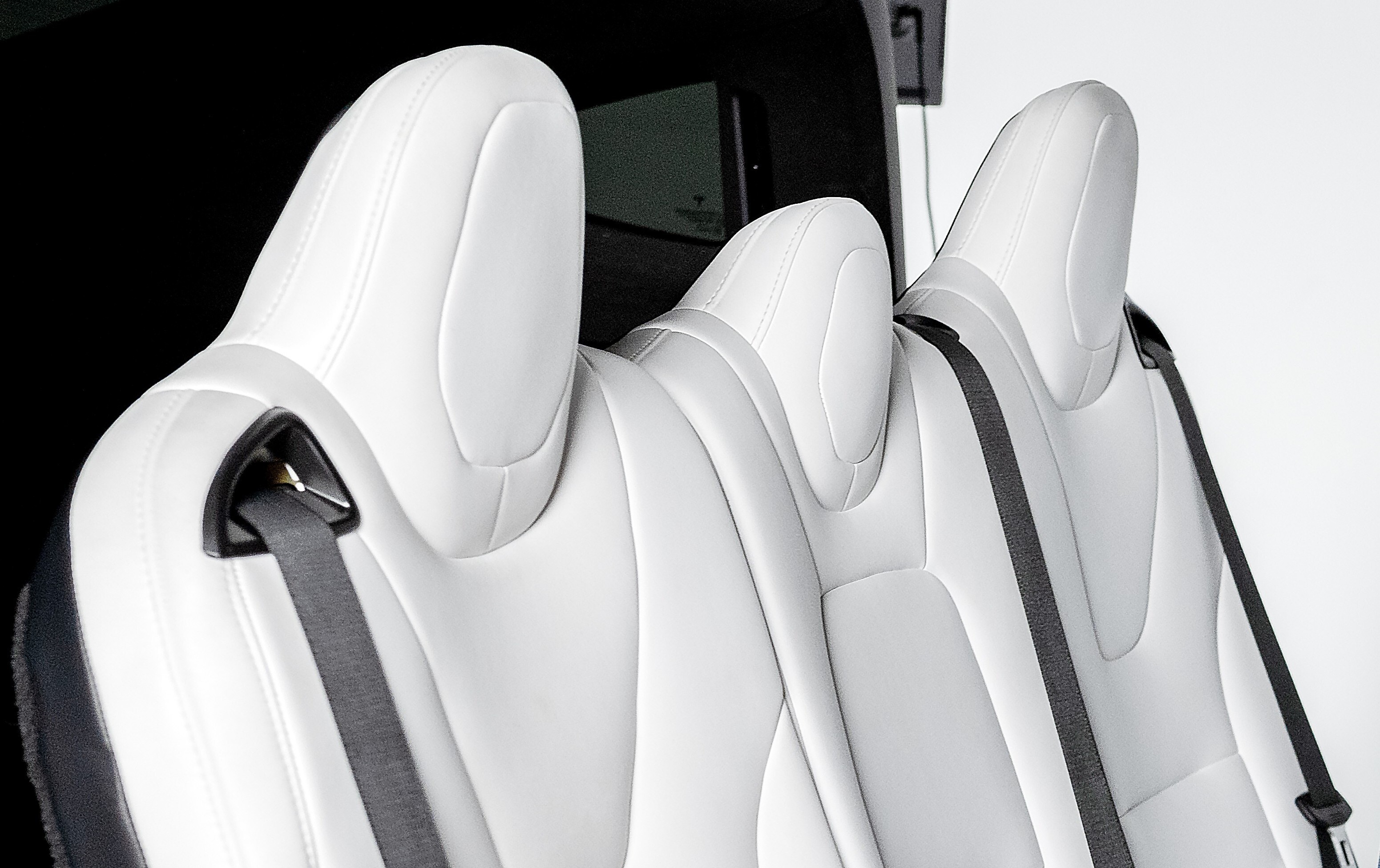
This mainly refers to Teslas (except Model Y), Volvos, BMWs, Chryslers, and Jeeps. You can check the vehicle owner’s manual to see if the headrests are removable.
- Forward-Facing harnessed options that work: any Nuna, any Clek, Cybex Callisto series, Chicco Fit360, Graco Slimfit3 LX, Graco TrioGrow, and non-swiveling Evenflo
- Booster options: any of the booster modes from the seats in the harnessed section, plus boosters made by Nuna, Evenflo, Clek, Baby Trend, and Axkid
3. Underfloor storage/stow-and-go seats (Ram, Chrysler, Rivian)
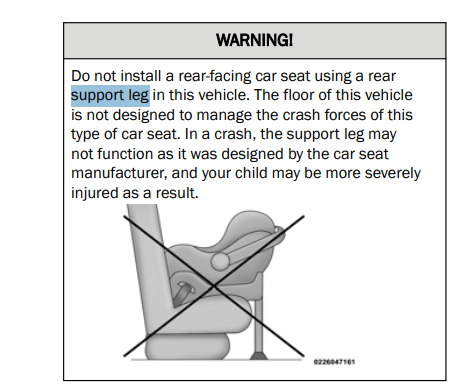
Avoid car seats that have load legs as they cannot be used. The manual will state that load legs/support legs are not allowed if this is an issue in the vehicle. If not specifically addressed, then load legs are allowed.
4. Very shallow vehicle seats
The issue too much of the car seat may hang off of the vehicle seat (Toyota Tacoma Access Cab is the most common vehicle we see with this issue)
- Infant seats: Try Joie Mint Latch, Graco GoMax baseless, Clek Liing, Cybex infant seats that have a load leg, Nuna infant seats
- Convertible car seats: Chicco Fit3x, Graco Slimfit3 LX
- Boosters: Bubblebum or Ride Safer Travel Vest
5. Rigid Buckle Stalks
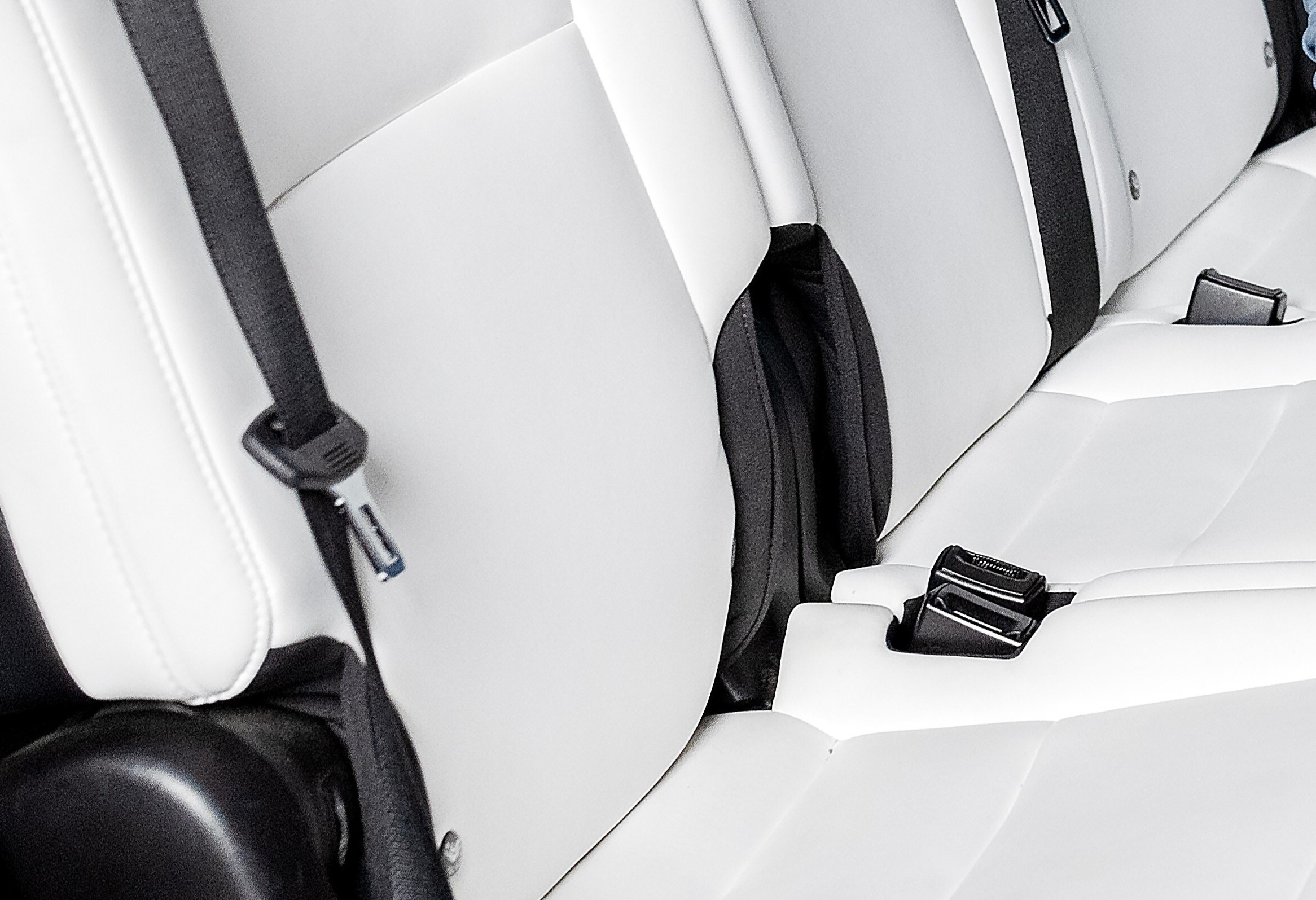
This may be an issue for kids using a booster. Rigid buckle stalks may make it hard for them to buckle the seat belt. Choosing a narrow booster will usually help with this issue. You may also find it helpful to choose a booster without armrests (like Peg Viaggio Flex), or one that has armrests that flip up for easy buckling (like Baby Trend Koa). No, you cannot use buckle extenders. They are not approved for use with car seats or boosters.
6. A vehicle older than 2007
- Before 2007: may have lap-only belts in one or more positions. If only one child, try to avoid using those positions. If they must be used, a child needs to be in either a harnessed car seat or in a Ride Safer Travel Vest with RideSafer’s Energy Absorbing Tether Anchor Loop.
- Before 2002: may not have LATCH (lower anchors and top tethers). All US seats can be installed with just a seat belt. Top tethers are preferred, but not required. If possible, keep the child rear-facing until 5-6 and move straight into a booster.
- Before 1996: may not have locking seat belts. Choose a seat with a built-in locking mechanism, or contact the manufacturer of your current car seat for a locking clip.
Do you have a space constraint?
A car seat may fit by itself but stop working once you add another car seat, a tall front-seat passenger, or a child who needs room to buckle a booster. That’s why we look at the whole seating arrangement, not just one seat at a time.
1. Tall front seat occupants
Try the most compact seat available (Britax Poplar) before ruling out a seating position. If a caregiver is too tall for any car seats to fit behind them, try behind the passenger or in the center seat instead. If 2 rear-facing seats will be needed, choose options that are both narrow and compact.
2. Multiple rear-facing seats
Choose compact, narrow seats in case you need to install them side-by-side to accommodate a tall front passenger.
3. 3-across
Unless one of the following issues is present in your vehicle, start with narrow car seats, but remember that stated width alone does not guarantee a successful three-across setup. If every combination looks almost right but you can’t tell whether it’s actually acceptable, you’re not missing something obvious. Three-across is one of the most vehicle-specific car seat puzzles there is.
- Very narrow center seating positions: Some are too small for any seat or person (looking at you 3rd row Honda Pilot). Others are too small for a car seat but might fit a slim child (a Ride Safer Travel Vest may work in that case). You may find Talk to a Tech helpful if the child is too young for the Ride Safer Travel Vest.
- Seat belt overlap: Try a Graco Slimfit3 LX forward-facing in the middle if you have a child who fits in one. This sometimes makes the neighboring seat belt accessible. Or you can try installing a narrow seat like Chicco Fit3x with lower anchors on the outboard seat that has the overlap issue.
- Bench seat hip width less than 54” wide: These vehicles may be more tricky to fit 3 car seats in. You can try a Ride Safer Travel Vest for the center seat if the oldest is at least 4. If not, you may want to use our Talk to a Tech service for help.
No to all of those?
Great! Your vehicle probably doesn’t need to drive the decision. You can focus more heavily on your child and how your family will use the seat.
A car seat fits when:
- Your child fits within the seat’s requirements.
- The seat can be installed correctly in an allowed vehicle position.
- Everyone can ride safely and comfortably.
- You can use it correctly during everyday life, not just during a test installation.
Now think about:
Who is riding in the seat?
- Age
- Weight
- Height
- Developmental needs
- How long you hope to rear-face
How will your family use it?
- Budget
- Ease of installation
- Ease of harnessing
- Travel
- Portability
- Washing
- Additional features
Not sure which seats match your child, vehicle, and everyday needs? Start with our free Car Seat Finder to get a personalized shortlist. If you have an unusual vehicle feature, a complicated three-across setup, or a combination you can’t confidently verify, Talk to a Tech can help you work through your specific puzzle.