
There are all sorts of weather conditions that can create unsafe driving conditions. Each one has its own set of rules and its own cautions. Many times, we view these threats appropriately. Other times, we minimize the danger and get ourselves into potentially dangerous situations.
Safe driving in fog is one of those areas where we tend to be overconfident until we’re, quite literally, in the thick of it. Fog can pose a huge risk to drivers as it can reduce visibility to the point where you’re nearly driving blind.
So, today, we’re discussing tips on how to drive safely in the fog and what to do if things get too hazy. Here are Safe in the Seat’s road trip tips for foggy days:
7 Safety Tips for Driving in the Fog
1. Slow down, but keep moving.
When visibility is reduced, so is your reaction time. In foggy conditions, you can’t see as far forward as you normally can. That means, when you see an object, it’ll be a lot closer to you than usual. You’ll have to stop quickly!
To avoid a collision, slow down. Braking will be easier with a reduced speed! However, you don’t want to go too slowly, especially on a highway. Stopping or near stopping could increase your chances of getting rear-ended, since the drivers behind you may not be able to perceive your slow speed until they’re too close—especially in the fog.
2. Leave extra stopping distance.
In addition to slowing down, leave at least three to five car lengths of room between you and other cars. You can’t be sure when they’ll brake or reduce their speed suddenly. And without proper visibility, you might not have enough time to make adjustments.
Take your vehicle off cruise control and leave plenty of extra space between you and the other drivers. The more distance you keep, the safer it’ll be for everyone on the road!
3. Use fog lights or low beam lights.
When you can’t see, it’s tempting to flip on those high-beam headlights. In most conditions, this is a wise choice! However, in foggy weather, this will actually decrease visibility. This is because the light reflects off the water particles in the fog and creates a blinding glare.
To see the best, use fog lights or low-beam lights. In addition to better viewing, using these options will keep your tail lights on, so anyone behind you can see your vehicle through the mist.
Read more about driving at night here.
4. Follow the road lines with your eyes.
Speaking of those tail lights—don’t rely on the car’s lights in front of you to maintain your position on the road. Instead, find the white lines on the edge of the pavement, and use that as a guide to stay in your lane. This will reduce the risk of you unintentionally crossing over the center line into oncoming traffic!
5. Use windshield wipers and defrosters to reduce moisture.
Fog can create a lot of excess moisture. Depending on the temperature, this moisture can either create a spattering of water droplets or ice crystals across your windshield. This will further obstruct your view!
To keep the moisture from collecting on your windshield, use your wipers and defrosters. This will ensure you have optimal viewing in these not-so-great conditions.
6. Eliminate all distractions.
Distracted driving is risky even when conditions are favorable. When conditions are less than favorable, such as in foggy weather, distracted driving is especially dangerous! Keep your eyes on the road, hands on the wheel, and eliminate as many distractions as possible.
Some common distractions include using your phone, changing radio controls, eating, reaching for things, and pumping breast milk. You really shouldn’t be doing most of these while driving at all. However, this is even more true in dangerous driving conditions. For more on distracted driving, check out this post.
7. If the visibility is too bad, pull over and turn on your hazards.
At the end of the day, if you just can’t see through the dense fog, pulling off the road is the best option. Find a parking lot or pull over on the side of the road and turn your hazard lights on. It’s definitely annoying to sit and wait for weather conditions to change, but it is much better than a potential accident or car crash.
Driving in fog is dangerous, so use these tips to reduce your risk and keep your family safe in their seats!
There are over 16,000 injuries and 600 deaths every year due to foggy weather accidents. Understanding the risks and making an action plan can reduce your family’s risk of harm! Keep your vehicle in tiptop shape with our recommendations on Amazon, like replacing your wiper blades regularly.
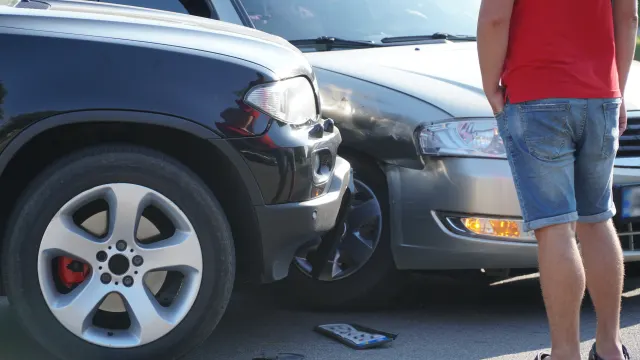
If you do happen to get in a crash of any kind, remember that you will likely need to replace your car seat. There can be stress on the seat you can’t see with the naked eye, so recycle the seat and get yourself a new one. This is another way you can keep your family safe.
How To Drive In Fog At Night
Driving in fog at night is even more challenging because darkness and fog both reduce your visibility. Headlights from oncoming traffic can also create glare that makes it harder to judge distance.
To stay safer when driving in fog after dark:
Slow Down
Reduced visibility means you have less time to react to stopped traffic, curves, animals, or debris. Drive only as fast as the distance you can clearly see ahead.
Leave extra following distance
Increase the space between you and the vehicle ahead. Extra distance gives you more time to brake if traffic suddenly slows.
Use low-beam headlights or fog lights.
Low beams improve visibility without creating glare. Fog lights can further illuminate the road if your vehicle is equipped with them.
Watch the lane markings.
Instead of following the taillights of the vehicle ahead, use the painted lane markings and right edge line to help maintain your position.
Keep your windshield clear.
Run your windshield wipers and defroster to remove moisture from both the inside and outside of the glass.
Eliminate distractions.
Keep both hands on the wheel and your attention on driving. Fog requires your full focus.
Pull over safely if needed.
If visibility becomes dangerously poor, exit the roadway when possible and wait in a safe location until conditions improve.
When Driving In Fog What Lights Would You Need?
The safest choice is to use your low-beam headlights. Low beams make your vehicle easier for other drivers to see while also helping you see the road without creating excessive glare.
If your vehicle has fog lights, turn them on along with your low beams. Fog lights are mounted lower on the vehicle, helping illuminate the road directly in front of you without reflecting as much light back into your eyes.
Avoid driving with only daytime running lights. Many vehicles don't illuminate the rear taillights when only daytime running lights are on, making it much harder for drivers behind you to see your vehicle in dense fog.
Should You Use High Beams In Fog?
No. High beams actually make it harder to see in fog.
Fog is made up of tiny water droplets that reflect bright light back toward your eyes. When you turn on your high beams, the light bounces off the fog and creates a wall of glare, reducing your ability to see the road ahead.
Use low beams. Turn on fog lights if your vehicle has them. Slow your speed to match the distance you can clearly see ahead.
This combination gives you the best visibility while making your vehicle more visible to others.
For more road safety tips and car seat information, check out our YouTube Channel. Each week we cover a different aspect of vehicle safety to help educate every parent on vital car seat and driving facts. The more you know, the better chance your family has of staying safe on every roadway adventure! We’re dropping videos weekly. Click here to subscribe and turn on notifications so you don’t miss a thing!
Affiliate links are included above. Safe in the Seat earns a small commission when you purchase through these links with no cost to you. We so appreciate your support.