We get asked car seat questions constantly, in DMs, at pickup lines, and from friends who just found out they are pregnant or their child is asking when they can sit up front. But one question comes up more than almost any other, and it's phrased a few different ways: Is this car seat actually safe? Is it safer than that other one? Am I about to spend way more money for something I don't even need?
Safe in the Seat has partnered with Graco to answer this question because we think caregivers deserve a real answer, not a marketing one!
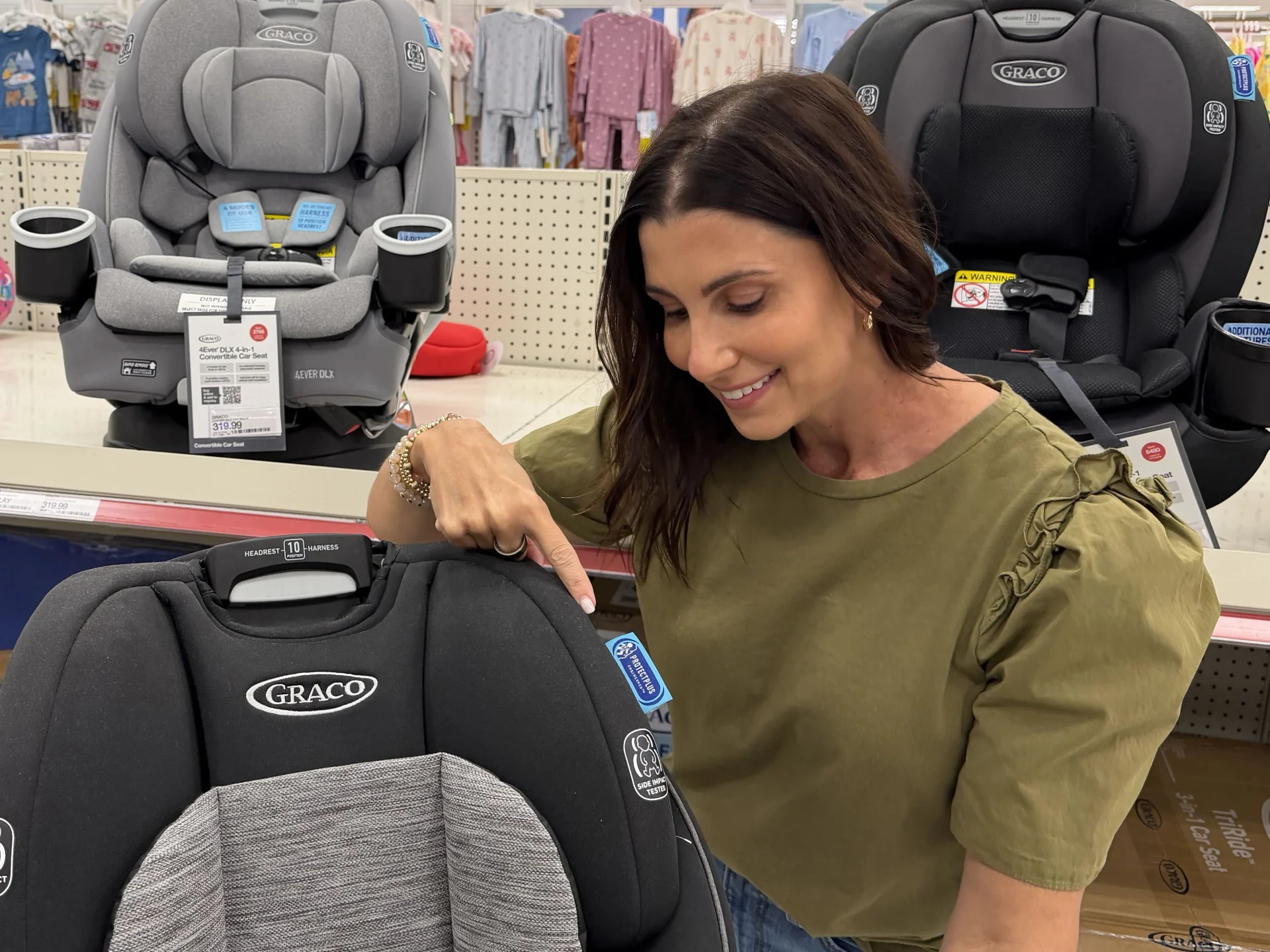
What Is Graco ProtectPlus Engineered?
Graco ProtectPlus Engineered is Graco’s car seat testing standard that includes frontal, side, rear and rollover crash scenarios, along with testing at extreme temperatures. Every car seat sold in the U.S. must meet applicable federal safety standards. ProtectPlus describes the additional voluntary testing Graco performs beyond those requirements.
Something that surprises almost every caregiver is that every seat sold in the US, regardless of price tag or brand, must meet the same federal standards before it can be sold. Not just the expensive seats. Not the “good” ones. All of them. You can find out more about the US crash standards here.
But are all car seats crash tested the same way? Not exactly. Some brands choose to go beyond the mandatory testing. This doesn't make other seats unsafe. Going beyond what is required is like doing extra credit work at school. Kids who skip the extra credit work can still get a high score. If you want the full picture of what happens to a car seat and your child during a crash, we've broken that down in "What Happens in a Car Crash?"
What Does Side Impact Tested Mean On A Car Seat?
Side impact protection is new for the US, and if you didn’t already know that, you are not the only one. By December 5, 2026, all newly manufactured seats must meet side-impact standards. Stores may still sell older seats until they run out of existing stock. These seats are still safe to use!
To meet this requirement, seats are tested in a simulated T-bone crash, where the car seat sits on a test bench that moves toward a vehicle door structure. Manufacturers must show that the seat keeps the child's head from contacting the door.
When you see "side impact tested" on packaging going forward, it's no longer a bonus feature. It's now a requirement with federal standards that all seats must meet.
How are Graco Car Seats Crash Tested?
(Video provided by Graco)
Yes. Graco's ProtectPlus Engineered testing process adds voluntary testing on top of the testing that is already required by law. This means that seats go through additional frontal, side, rear, and rollover scenarios. They also test with extreme temperatures, hot and cold, to see how materials and hardware perform.
Again, this is extra credit, not required for a passing grade.
Every seat on the market, from every brand in the US, has already passed the required federal standards. ProtectPlus is Graco choosing to test further.
What is Graco ProtectPlus Engineered?
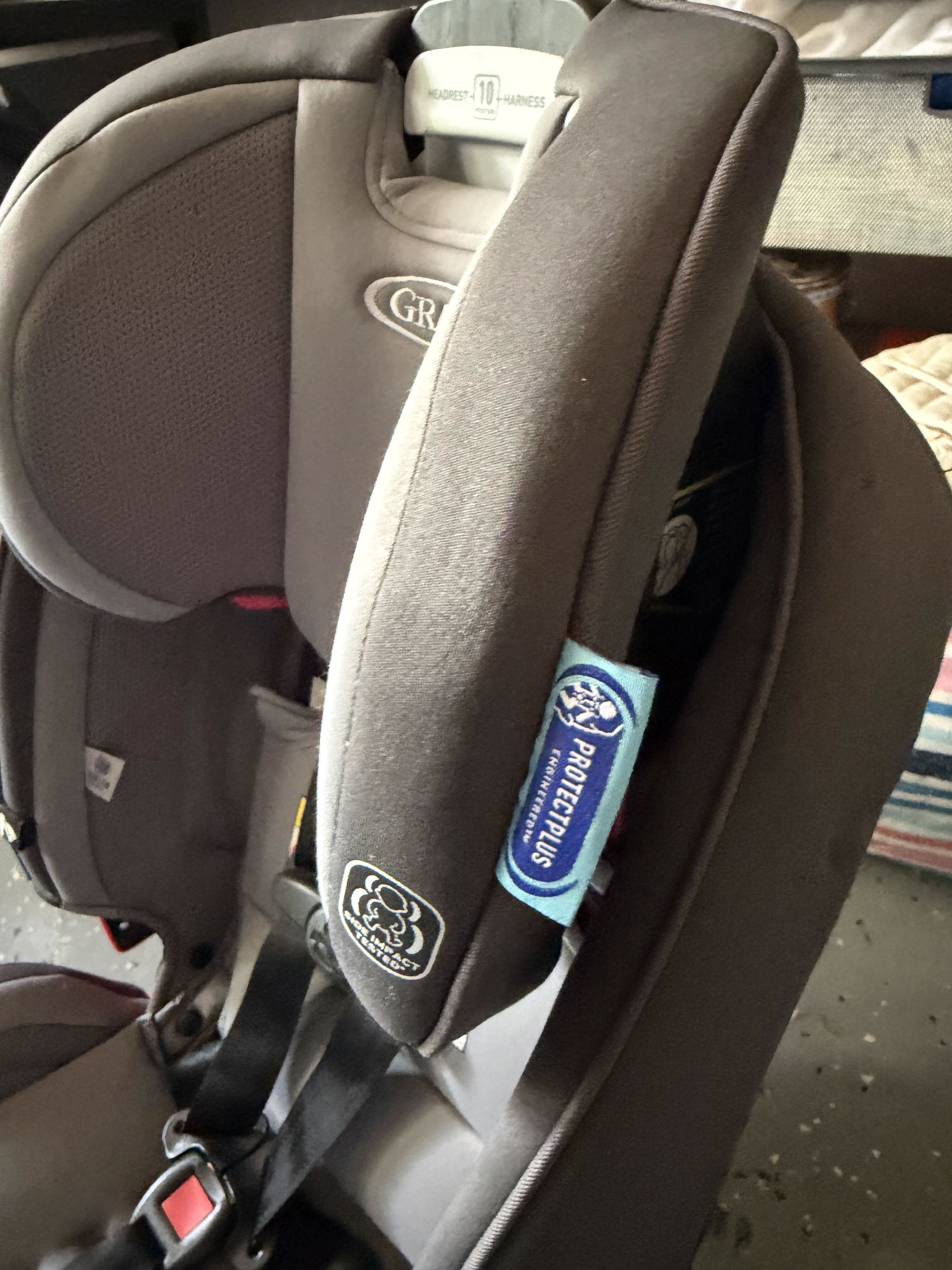
ProtectPlus Engineered is the name Graco gives to their extra testing. This means a Graco seat with this label has been tested against more types of crashes than federal standards require. Ir's a combination of frontal, side, rear and rollover crash tests.
Graco has its own crash test facility in Atlanta, Georgia, and employs over 90 child passenger safety technicians.
Here’s how the Graco ProtectPlus crash testing breaks down:
Frontal Crash Testing: Federally required and engineered to protect your child if your vehicle hits something in front of you.
Side-Impact Testing: Federally required under FMVSS 213a side-impact testing, means the seat will protect your child in the event your vehicle is hit from the side.
Rear-Impact Testing: The US does not have federal standards for rear-impact tested car seats, so Graco bases their testing on the European standards.
Rollover Testing: Graco uses European crash procedures for rollover-tested car seats.
Car Seat Extreme-Temperature Testing: Car seat manufacturers, like Graco, must test for structural integrity. Graco goes beyond the requirements by exposing car seats to extremely hot and extremely cold temperatures before crash testing. This ensures the seat performs as intended, whether you are buckling up a kid in Alaska in January or Florida in July.
Are All Car Seats Tested For Rear-Impact Crashes?
No, this is not a federal requirement. FMVSS 213, the US car seat standard, requires frontal and side impact testing only.
Rear-impact crashes are less common and usually involve lower forces than frontal and side-impact crashes, which is part of why the US does not have crash standards for this type of crash.
However, some manufacturers voluntarily test for rear-impact scenarios, and Graco's ProtectPlus Engineered is one example.
Since there are no federal standards, manufacturers can design their own testing. This means each manufacturer sets its own internal standards, so comparing different brands isn't possible.
The Bottom Line
Every seat in the US has already passed the same federal crash standards.
Some brands, including Graco with their ProtectPlus Engineered process, choose to test further.
Neither approach means the other seat is unsafe. It just means that some brands are doing extra credit, and now you know what that involves.
This post is a paid partnership between Safe in the Seat and Graco.