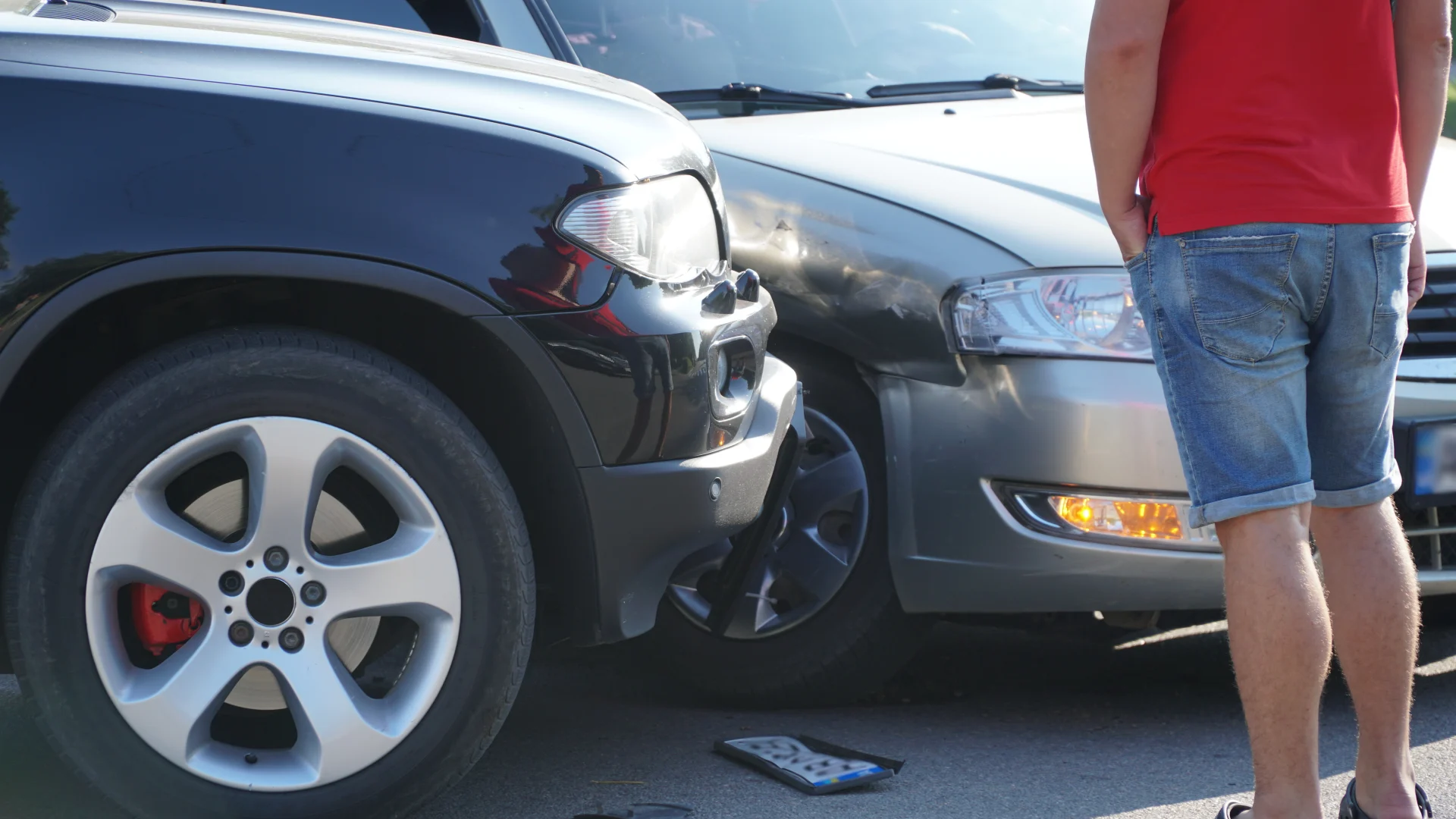
A fender bender in a parking lot. A light tap at a stop sign. The kind of minor car accident that leaves your heart racing for a minute, then fades into the background of an already full day. Replacing a car seat after a minor accident is one of those safety considerations that slips right past most parents.
Even seemingly minor crashes can compromise the structural integrity of a child's car seat in ways that aren't visible to the naked eye. The forces involved in vehicle collisions can weaken the seat, making it less effective in future accidents.
That's exactly why we're dedicating this post to replacing a car seat after a minor accident. We’ll discuss what’s considered a minor accident, the NHTSA crash criteria, and why replacing yours is important. Let's make this simpler.
Replacing Car Seat After Minor Accident: Why It Matters
Here's where a lot of the confusion comes from: car seat manufacturer policies and crash replacement recommendations vary. Some go strictly by the National Highway Traffic Safety Administration (NHTSA) guidance, while others ask you to replace the seat after any crash at all.
The best approach for parents blends a few things. Understand the NHTSA recommendation. Document the crash carefully. And when safety is ever uncertain, replace the seat. That's the whole framework, and it takes the guesswork out of a stressful moment.
Prioritizing proper replacement and installation after a crash helps ensure your child's car seat keeps providing the highest level of protection possible. This is one of those decisions where erring on the side of caution, while it may cost more, buys you peace of mind for your child’s safety on every drive.
Don’t feel confident navigating the car seat buying process again? Check out our Car Seat Buying Kits, designed specifically for moms who want to save the time, money, and stress of choosing the most appropriate car seat.
What Is Considered a Minor Car Accident?
A minor car accident generally refers to a low-impact collision that causes limited damage to the car. It doesn't result in injuries, and it doesn't set off the airbags.
That said, the severity of the crash has to be assessed carefully. Even seemingly small collisions can place stress on a car seat, especially when you're evaluating child passenger safety rather than just the dent in your bumper. A crashed car seat can carry hidden harm, so "minor" for your vehicle and "minor" for the seat aren't always the same thing.
NHTSA Crash Criteria for Minor Accidents
After getting into a car accident, especially with your children in the back, it can be hard to determine what’s truly considered a minor accident. Fortunately, the National Highway Traffic Safety Administration (NHTSA) gives us a clear guideline for figuring this out.
- The vehicle was able to be driven away from the crash site
- The vehicle door nearest the car seat wasn't damaged
- None of the passengers in the vehicle sustained any injuries (including whiplash!)
- The airbags (if present) didn't deploy
- There's no visible damage to the car seat
All five of these factors need to apply to your specific situation. If your accident doesn’t meet every single criteria, it’s considered moderate-to-severe, and the car seat should be replaced immediately. To better understand why this matters, we encourage you to read our guide on what happens in a car crash.
Do You Have to Replace a Car Seat After a Minor Accident?
The honest answer is: it depends. More specifically, replacing a car seat depends on both federal recommendations and your specific car seat manufacturer's policy.
According to the National Highway Traffic Safety Administration, child safety seats should be replaced after a moderate or severe crash, but don’t necessarily need to be replaced after a minor crash. With this in mind, it’s also important to consider what your specific manufacturer notes about car seat replacements.
Some child safety seat manufacturers recommend replacement of their products regardless of the type of crash. To play it safe when your child safety seat has been in a crash, check the instructions that came with your seat for replacement guidelines.
For a more comprehensive approach to these guidelines, read our article: “Car Seat Accident Replacement Law.”
Does Car Insurance Cover Car Seat Replacement After a Minor Accident?
In many cases, yes. If the other driver was at fault, their liability insurance should cover replacement costs. If you were at fault, check with your insurer about comprehensive or collision coverage.
Whether your insurance covers the replacement often comes down to documentation. Some insurers require proof the seat was installed in the vehicle during the accident. That's why the photos, the police report, and your original purchase receipt matter so much. Keep them together and ready before you file, and ask your insurer directly what they need to approve a car seat, booster seat, or any child restraint replacement.
If you have trouble having insurance replace the car seats, reach out to the manufacturer and ask for an email stating the seat needs to be replaced. Sending this to the insurance adjuster will work well in most cases.
How to Replace a Car Seat Involved in a Minor Accident
When you've decided replacement is the right call, working through it step by step keeps you from missing anything. Here's the order we recommend following for a seamless, stress-free process:
Step 1: Review the Car Seat Manufacturer's Crash Replacement Policy
Start with the manual or the manufacturer's website. This tells you whether your specific seat must be replaced after any crash or only a moderate-to-severe one. It's the single most important step because it settles the question for your exact model, no guessing required.
It's important to note that a moderate-to-severe crash always means replacement, no matter how the seat looks. Never use a car seat that has been involved in a moderate-to-severe crash.
Step 2: Document the Accident and Seat Condition
Take clear photos of the seat, the vehicle, and any visible damage to the car. Note the date, the circumstances, and whether the seat was occupied. Good documentation protects you during the insurance process and gives you a record if questions come up later.
Step 3: Contact Your Insurance Company
Call your insurer and ask specifically about car seat replacement coverage. Have your documentation ready, since some insurers require proof the seat was in the vehicle during the crash. Ask what they'll reimburse and what paperwork they need before you buy anything.
Step 4: Purchase an Approved Replacement Seat
Choose a new seat that fits your child's current stage, whether that's an infant seat, a convertible, a forward-facing harnessed seat, or a booster seat. Every seat sold in the U.S. meets the same federal crash-test standards, so a budget-friendly option protects your child just as appropriately as a premium one. What matters most is the right fit for your child and your vehicle.
If you need help getting started, take our Car Seat Finder Quiz! Built by internationally Certified Child Passenger Safety Technicians (CPSTs), this quiz helps take the guesswork out of your car seat buying process.
The Target Trade-in Event Starts 9/20!
Trade in any car seat, expired, damaged, outgrown, unused, or even crashed, and get a 20% off coupon toward a new car seat, stroller, travel system, or select baby gear (coupon is good 9/20-10/17)
Read more here
Step 5: Register the New Car Seat With the Manufacturer
Registration takes a couple of minutes and is worth it. It ensures you're notified directly if a recall or safety update is ever issued for your seat. Think of it as a direct safety line between you and the car seat manufacturer.
Step 6: Install the Replacement Seat According to Current Safety Guidelines
Install your new seat following the manufacturer's instructions and your vehicle manual. Additionally, double-check the direction: an infant or younger child should be installed rear-facing for as long as the seat allows, then forward-facing when they've outgrown those limits. (Learn more in our guide on rear-facing vs. forward-facing car seat transitions.) Confirm a tight install, correct harness height, and a properly positioned seat belt or LATCH connection.
If you'd like a second set of eyes, our Talk to a Tech service lets you ask a question, send a photo or video, and get expert eyes on your child's seat, which is especially reassuring after a crash. And remember, car seat safety doesn't stop once the seat is installed! A correct install is only protective when it's used correctly on every single ride.
Your Next Step Toward Confidently Replacing a Car Seat After a Minor Accident
You're already doing the most important thing by asking the question, and that instinct to double-check is exactly what keeps your child protected. When your accident clearly meets all NHTSA criteria and your manufacturer allows it, you can be confident in keeping your same seat. When it doesn't, or when you're simply unsure, replacing the seat is the safest call every time.
If choosing that replacement feels overwhelming, our team can help you cut through the noise. Grab our Convertible Buying Kit to make the next-seat decision simple, and join our newsletter for practical, fact-based car seat guidance in your inbox. You've got this.