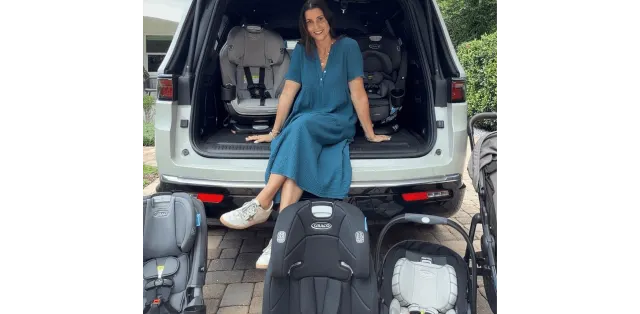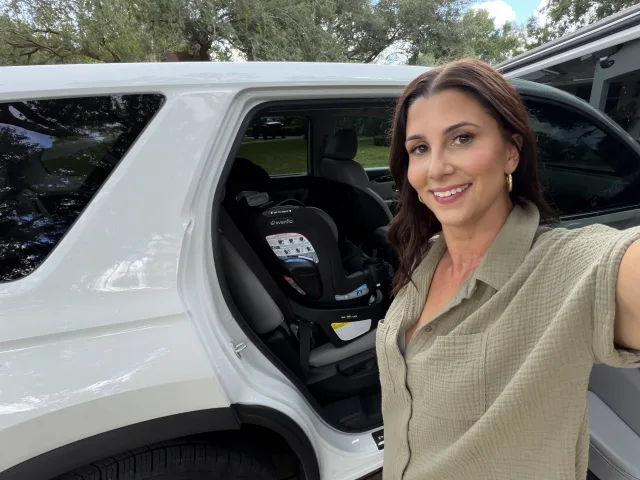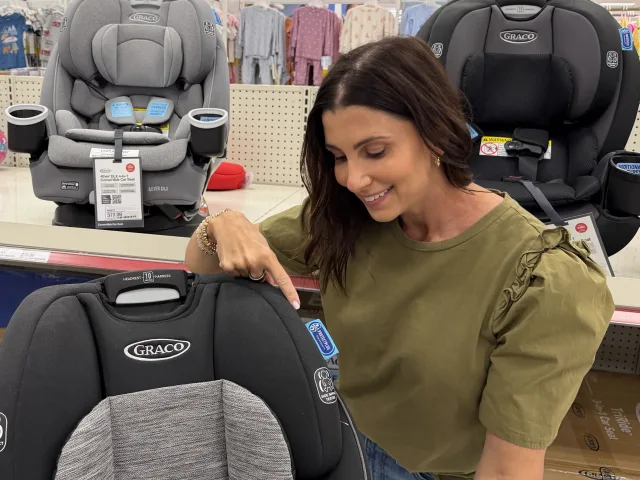

Not owning a car doesn't mean you don't need a car seat. In fact, choosing one can be even more complicated when you regularly rely on Uber, Lyft, taxis, rental cars, or other rideshare options.
Instead of finding a car seat that works well in your vehicle, you need one that can work in a variety of vehicles. You may also need to carry it down the street, bring it into a restaurant, store it at daycare, or figure out what to do with it once you arrive at your destination.
That's a very different set of needs than a family installing a car seat once and leaving it there!
As Child Passenger Safety Technicians (CPSTs), we help families find car seats that work for their actual lives. So, let's talk about what makes a car seat a good option for rideshare families and some of our favorite portable options for every stage.
At Safe in the Seat, we’re more than just a team of nationally certified child passenger safety technicians – we’re parents too! We’ve personally experienced the struggles of finding the ideal car seat that fits your child, budget, and lifestyle. Over the years, we’ve helped thousands of parents like you through our online courses and personalized consultations.
What Makes a Car Seat Good for Rideshare?
The "best" car seat for a family who owns a vehicle may be completely different from the best car seat for a family who relies on rideshare.
For frequent rideshare use, we're looking closely at:
- Weight: You may have to carry this seat much farther than from your driveway to your house.
- Ease of installation: You'll be installing and uninstalling the seat frequently, often in unfamiliar vehicles.
- Seat belt installation: You can't count on every vehicle having easily accessible lower anchors, so being comfortable with a seat belt installation is especially helpful.
- Vehicle compatibility: Some car seats are easier than others to install across a wide range of vehicle seat shapes and sizes.
- Portability: Can it fold? Fit in a bag? Attach to a stroller? What are you going to do with it once you get where you're going?
- Your child's size: A super lightweight seat isn't much help if your child is about to outgrow it.
- Your child's car seat stage: Your options will look very different for a rear-facing toddler than they will for a 6-year-old who can safely use a booster.
There usually isn't one car seat that checks every box. The goal is to figure out which features matter most for your child and the way your family travels.
What If You Don't Own a Car?
If rideshare is your family's primary transportation, we see you! You're not shopping for an occasional "travel car seat." This may be the car seat your child uses every time they ride in a vehicle.
That means portability matters a lot, but so does practicality.
Think through an entire trip before choosing your seat. You request an Uber, the driver arrives, and you install the seat. Great. But what happens when you get to the zoo? Or daycare? Or a restaurant?
Are you carrying the car seat? Can you attach it to your stroller? Does it fold into a bag? Is there somewhere to store it?
For families who frequently use rideshares, these everyday logistics can matter just as much as the car seat's weight.
The Best Portable Car Seats for Ride-Sharing Families
The best option depends heavily on your child's age and size, so we've broken our favorites down by car seat stage.
Best Infant Car Seats for Rideshare
Rideshare travel can be a little simpler during the infant seat stage because infant car seats can be installed without their base using the vehicle seat belt.
You don't necessarily need a special infant seat. If you already own an infant car seat and know how to install it baseless, you may be all set.
However, there are a few seats with features that make rideshare life particularly convenient.
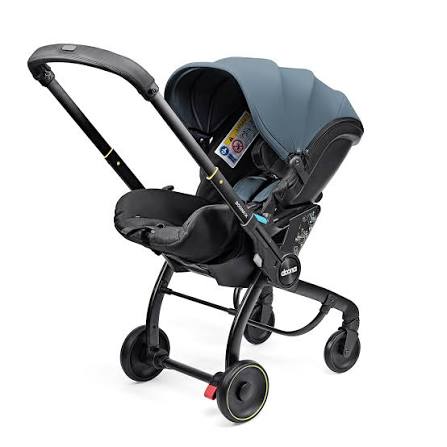
The Doona X transforms from an infant car seat into a stroller. That's a huge advantage for a family using rideshare because when you arrive at your destination, you don't have a separate car seat and stroller to deal with. It has a recline function when used in stroller mode. We have a full review of it here.
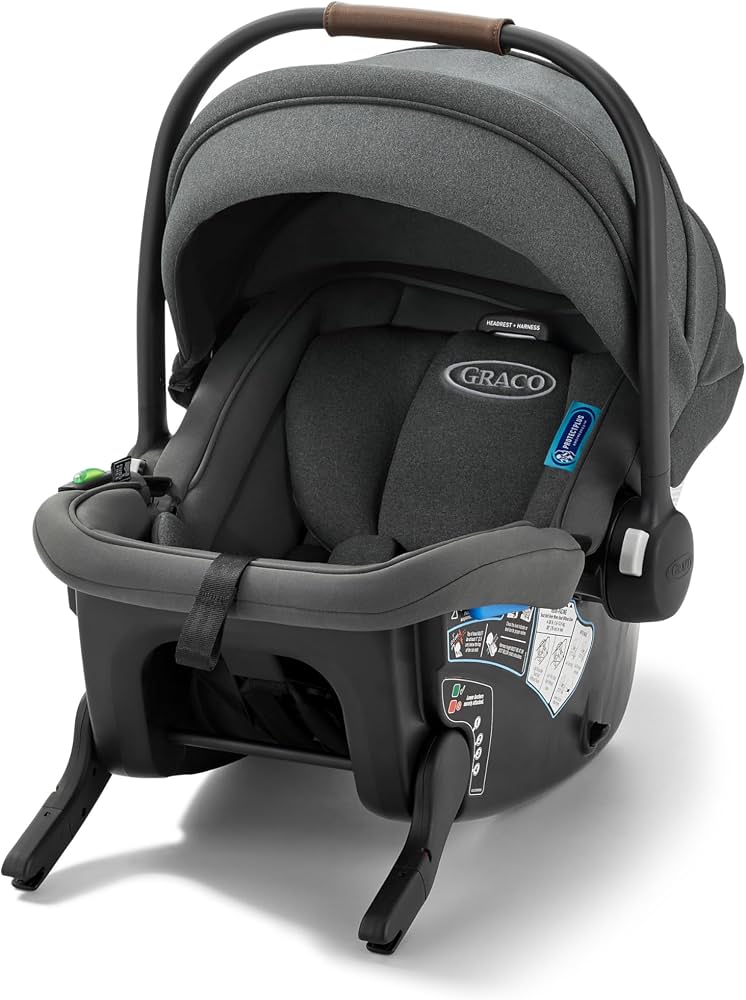
The Graco GoMax is a nice option for rideshare families. It has rigid lower anchors built into the infant seat for easy installation on the go and it has a lot of compatible stroller options, giving you the flexibility to choose a stroller that works best for your lifestyle. You can find a full review of this seat here.
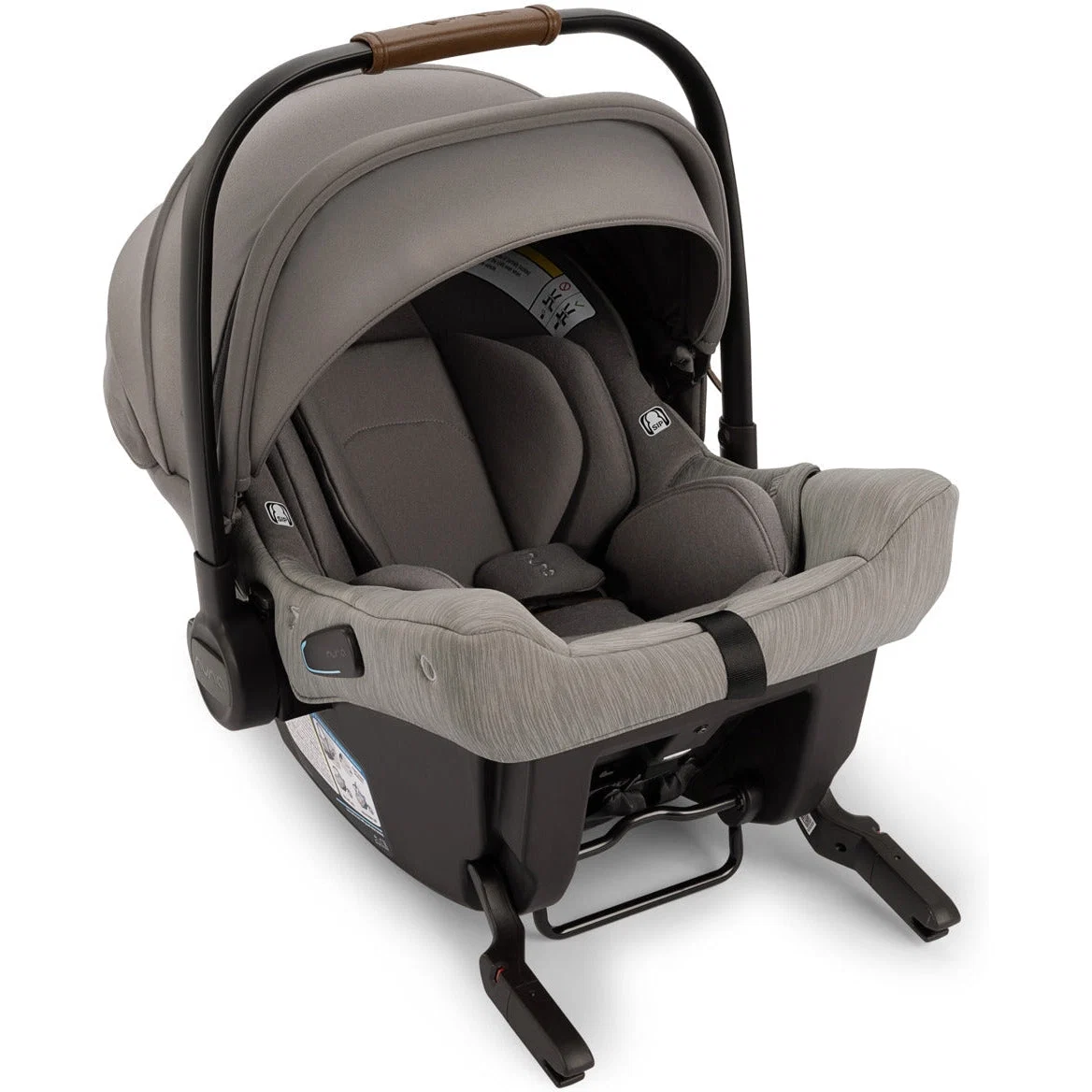
The Nuna Pipa Urbn stands out because it has rigid lower anchors integrated directly into the carrier, making installation with lower anchors quick and convenient when you're moving between vehicles. This seat also comes without a base. The drawback to the Pipa Urbn is that you can only buy it as part of a travel system, but there are multiple ranging from $699-1400.
Read more on the Nuna Pipa Urbn here.
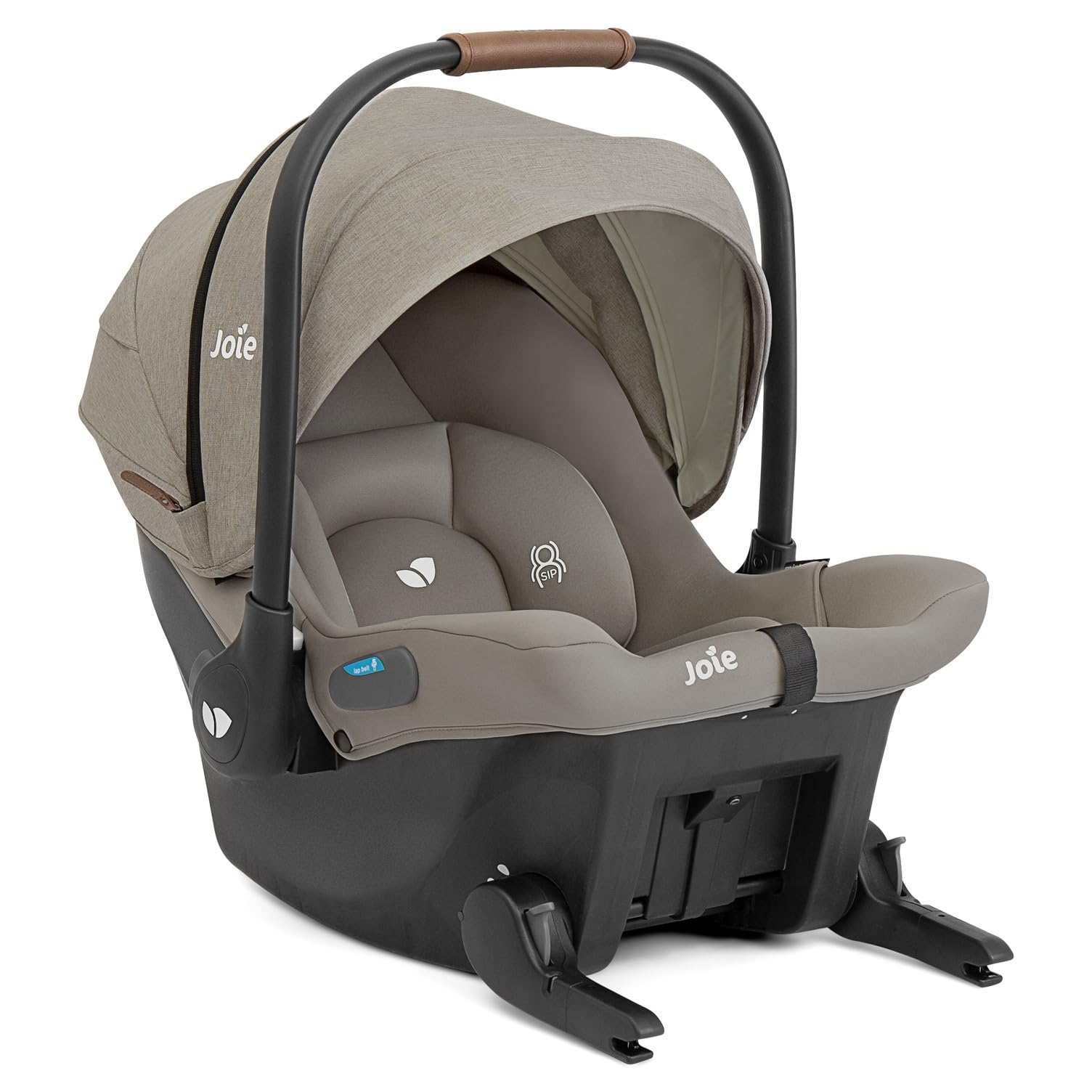
The Joie Mint Latch is the latest infant seat addition to the market that features lower anchors attached to the infant seat. Like the Nuna Pipa Urbn, this seat has rigid lower anchors. But this option is offered at a much lower price point and is available on its own, without requiring the purchase of a travel system.
Find the review of the Joie Mint Latch here.
Convertible Car Seats
Once your child outgrows their infant car seat, rideshare life gets a little trickier.
Most convertible car seats aren't designed with portability in mind. Many are heavy and bulky—and that's not something most people want to carry around the city after getting out of an Uber.
For a child who still needs to ride rear-facing, lightweight convertible seats are usually the most practical place to start.
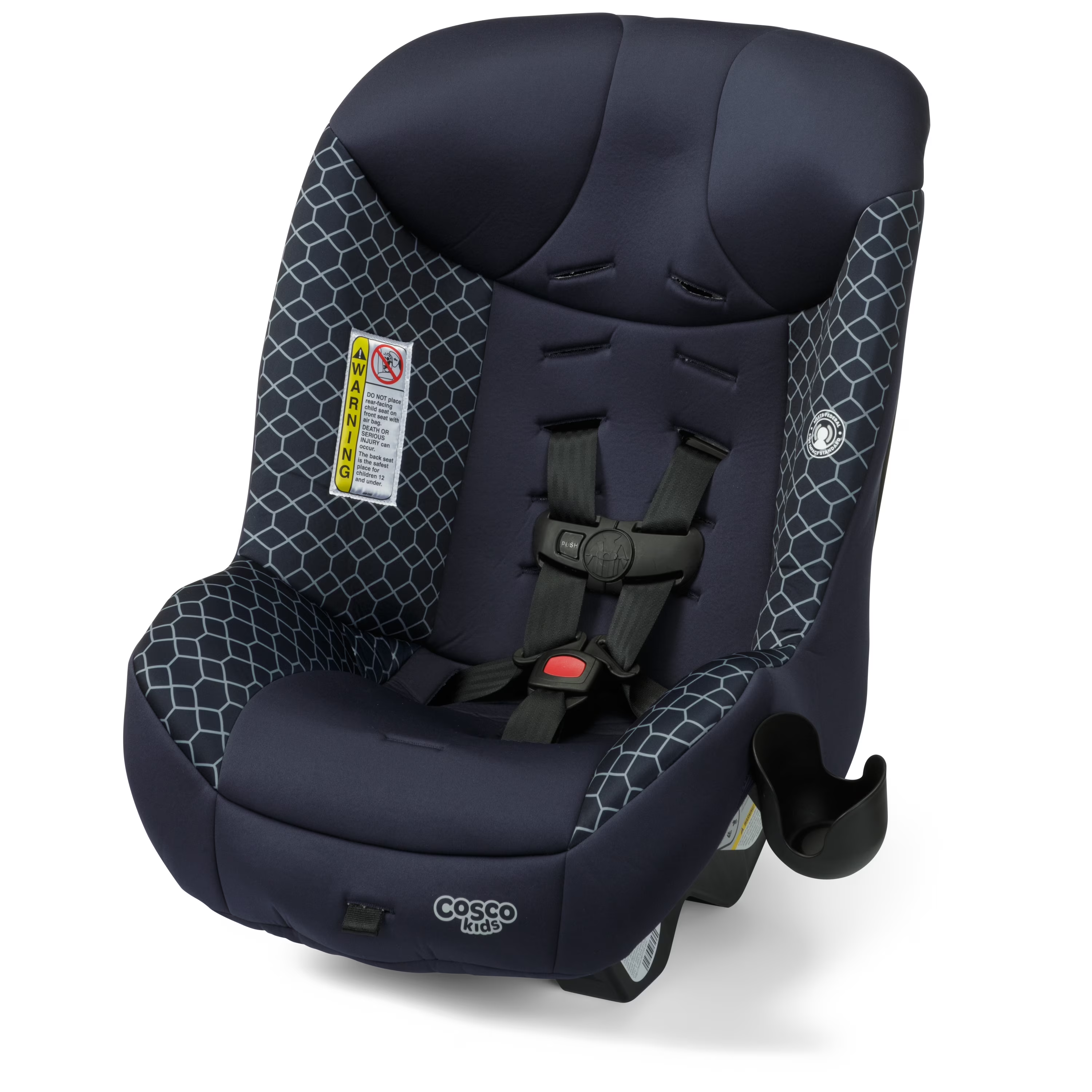
The Cosco Scenera Extend and Maxi Cosi Romi are basically the same seat. They are not long-lasting, typically outgrown around 2.5-3 years of age. However, these are very lightweight options. The Maxi Cosi has premium lower anchors and flame-retardant-free fabric. Both can fit onto the Mountain Buggy Nano stroller if you are open to buying one. Alternatively, you could use a ratchet strap or large carabiner to attach them to the stroller handle. We have a full review of the Cosco Scenera Extend here.
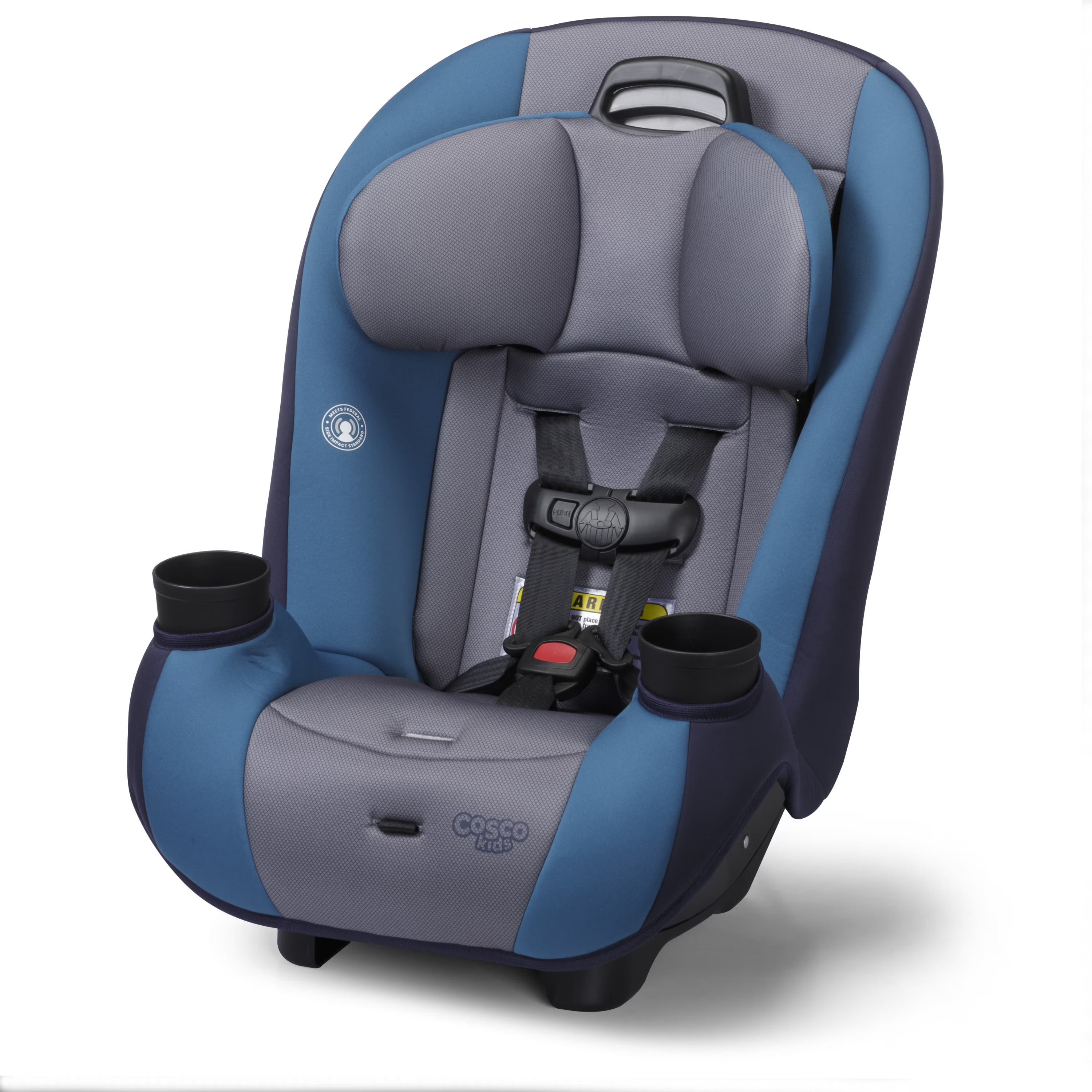
The Cosco Entrada is another lightweight convertible car seat worth considering. It is the lightest seat with a no-rethread harness and it's longer lasting than the Cosco Scenera Extend/Maxi Cosi Romi. It will last most kids to around 5-6 and weighs around 12 pounds.
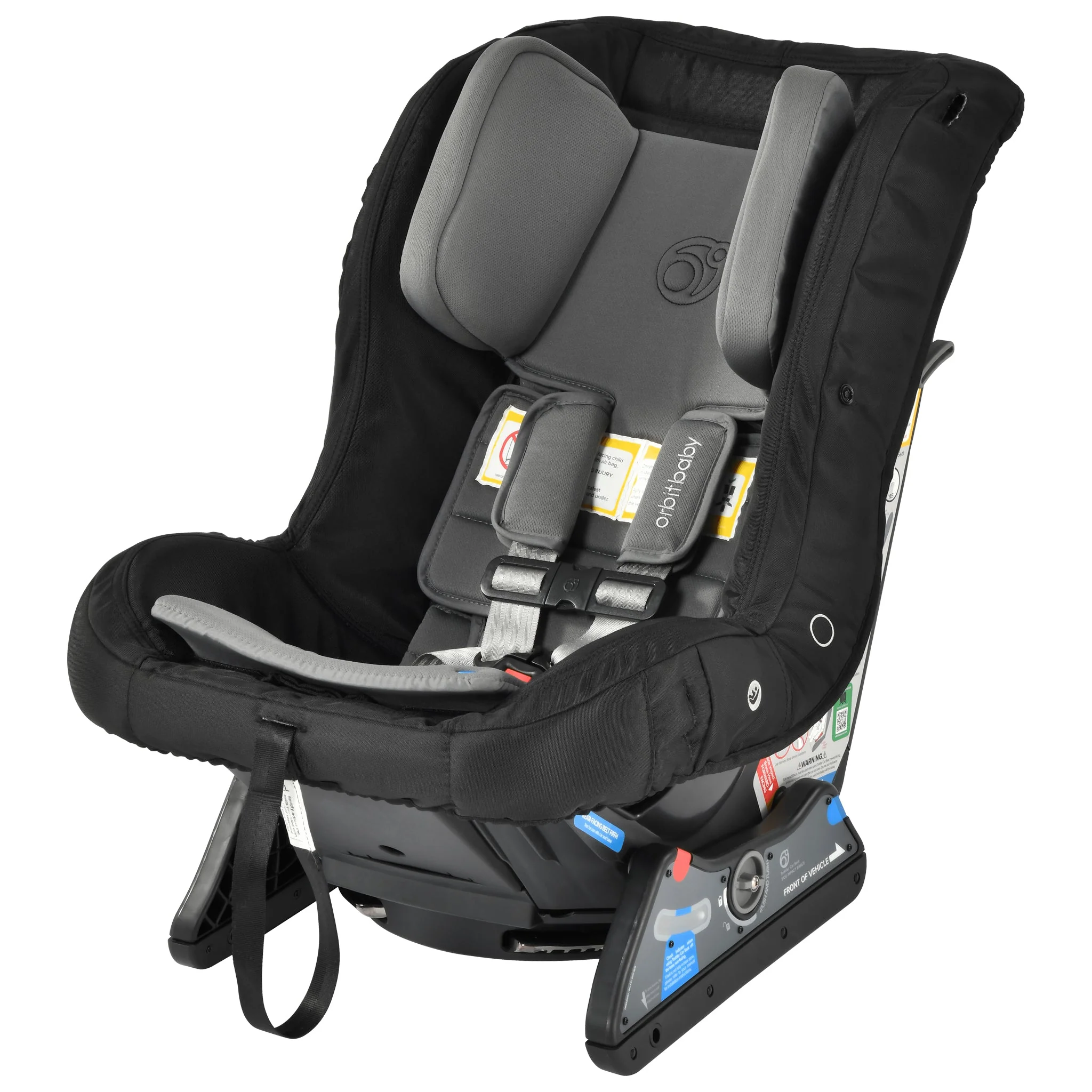
If you're already using the Orbit Baby G5 or X5 stroller system, the G5 Toddler Car Seat offers a unique advantage: the toddler seat can dock onto the stroller.
It's considerably more expensive than the lightweight options above, and its 35-pound rear-facing weight limit means it won't be a good choice for every child. But for the right family, the ability to move the car seat onto the stroller can solve one of the biggest problems rideshare families face: what to do with the car seat at your destination.
Forward-Facing Car Seats For Rideshare
Once your child is old enough and meets the requirements to ride forward-facing, there are some other lightweight and portable options available.
Remember that these seats are forward-facing only, so they aren't alternatives to the convertible seats above for a child who still needs to ride rear-facing.
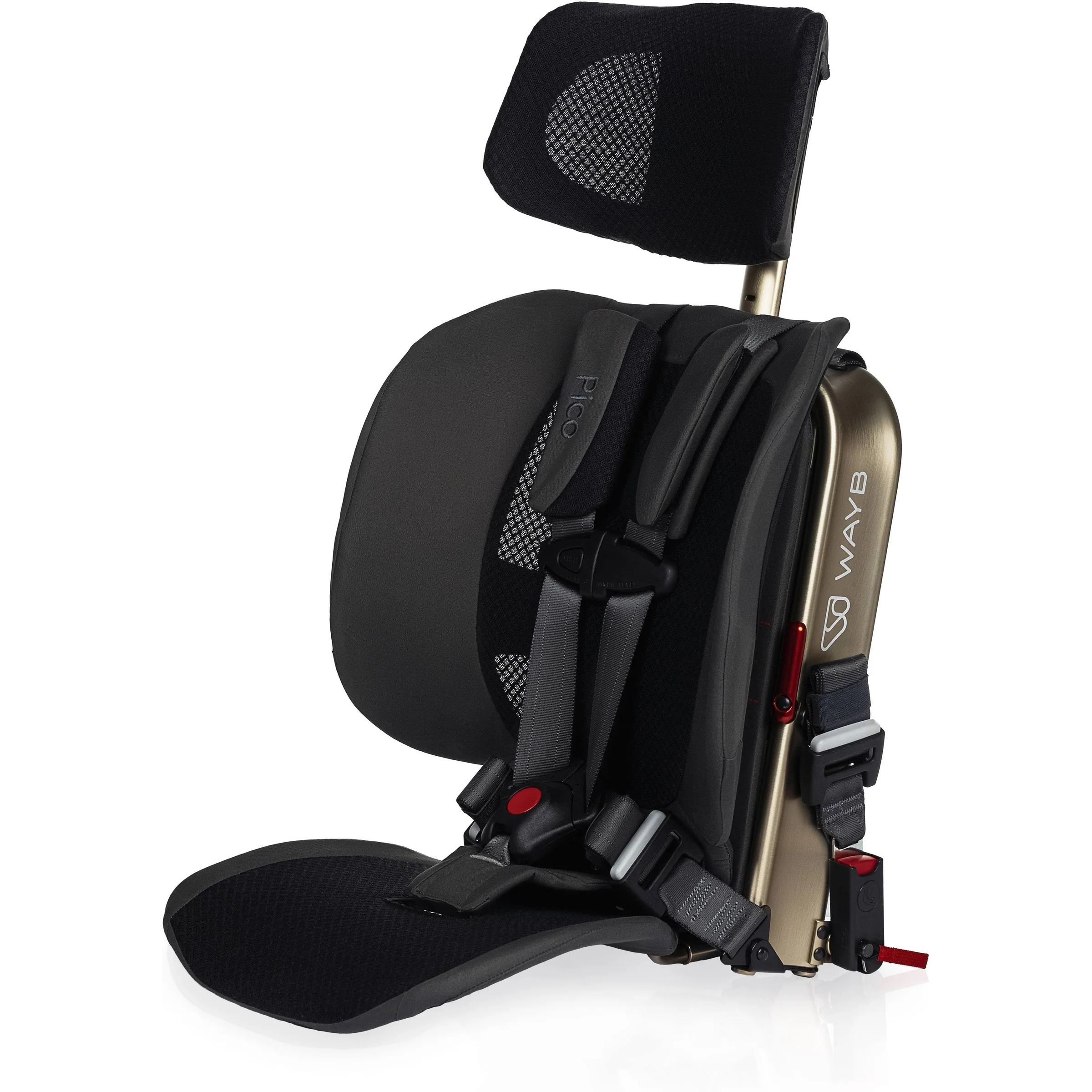
The WAYB Pico is the most portable of these options, although it's also the most expensive. It weighs just 8 pounds and folds for easier carrying and storage. You can also buy a bag to go with it that makes it easy to carry around. The limits of the seat are 50 pounds and 45″, so it won’t be a long-lasting option for higher percentile kids.
We have a full review here.
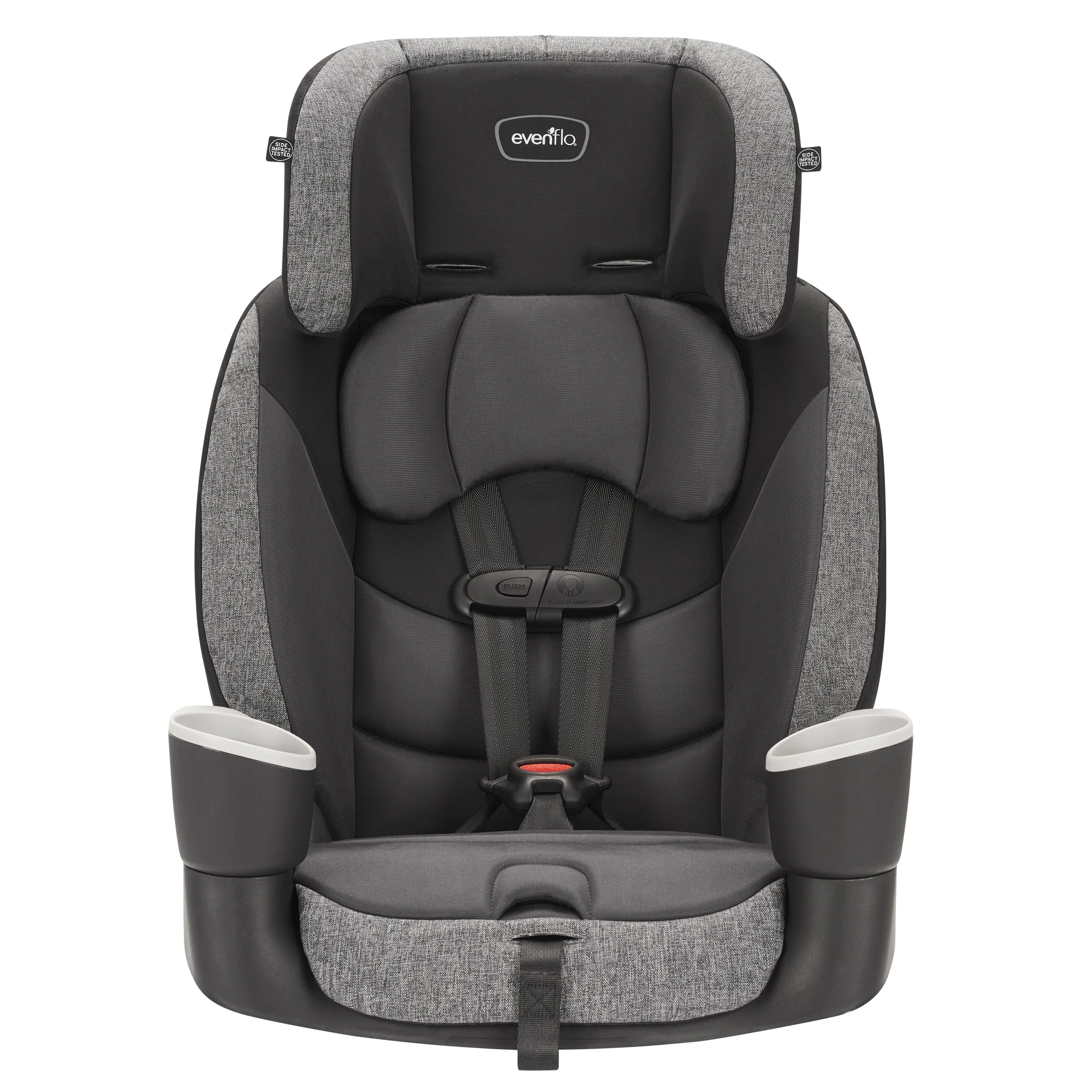
The Evenflo Maestro gives rideshare families a lightweight alternative to many of the larger combination seats on the market. It's a forward-facing harnessed seat that also has a booster mode. However, we generally don't recommend using the booster mode because it doesn't provide a good belt fit for many children.
It doesn't fold down like the WAYB Pico, so you'll still need a plan for carrying or storing it at your destination. But for families who prioritize a lightweight seat and need a more affordable option, this is a good contender.
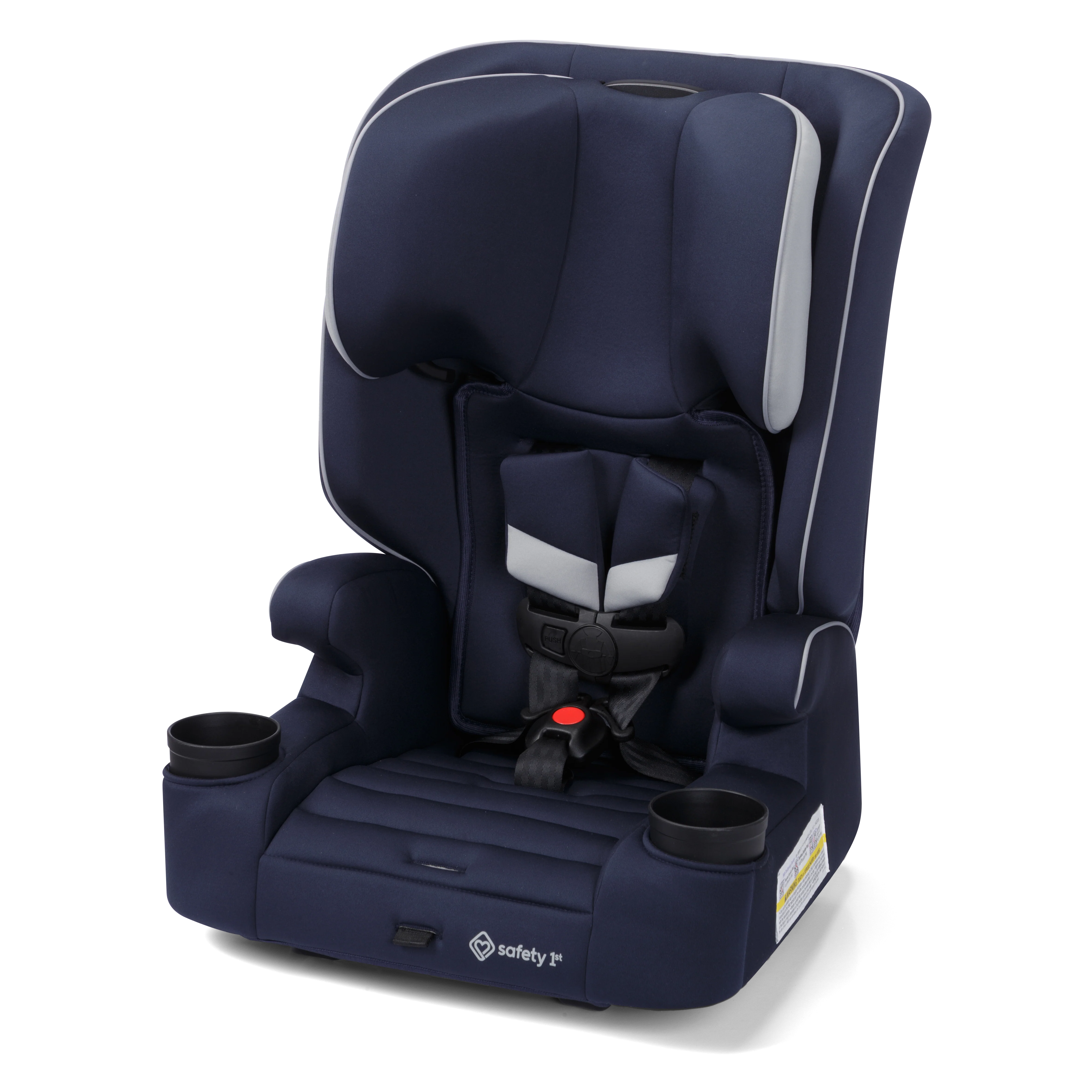
The Safety 1st Comfort Ride is another lightweight forward-facing option that can be useful for rideshare families. Its lighter design makes it easier to move between vehicles than many traditional combination seats while still providing a harness for children who aren't ready for a booster.
Like the Maestro, it doesn't solve the "what do I do with this car seat when we arrive?" problem completely, so factor carrying and storage into your decision.
Booster Seats & Vests for Rideshare
Travel gets significantly easier once your child is truly ready for a booster.
We recommend waiting until at least age 5 to move to a booster, and your child needs to meet the booster minimums and be mature enough to sit properly for the entire ride. For rideshare families, portability becomes much easier at this stage because there are boosters and wearable restraints that can fit into a backpack or bag.
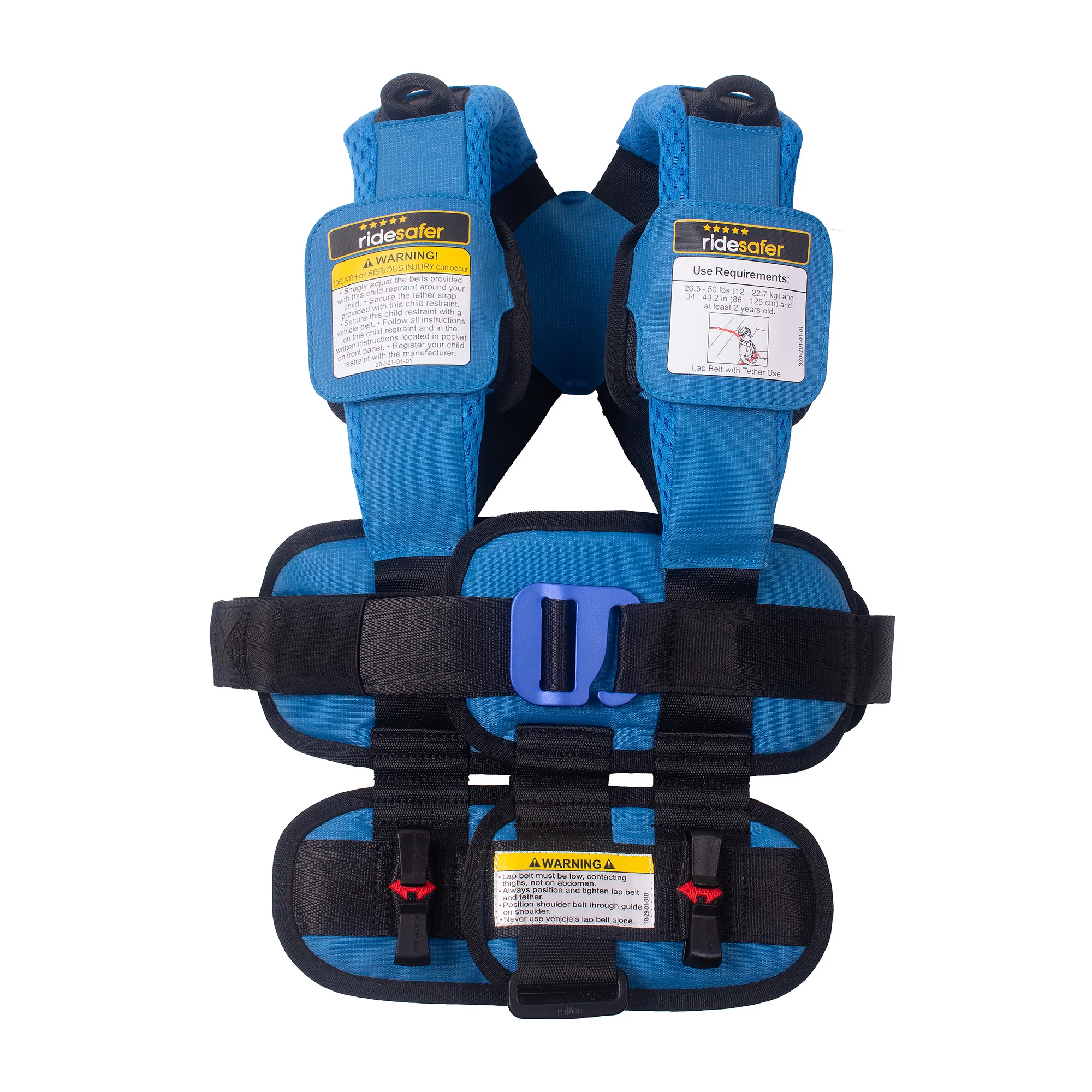
The RideSafer Travel Vest is an especially convenient option for families who don't own a vehicle. Instead of carrying a traditional car seat, you're carrying a vest that weighs around 1.5 pounds and can fit into the backpack it comes with.
There is a learning curve, though. Practice using the vest before you're standing next to an Uber trying to figure it out for the first time.
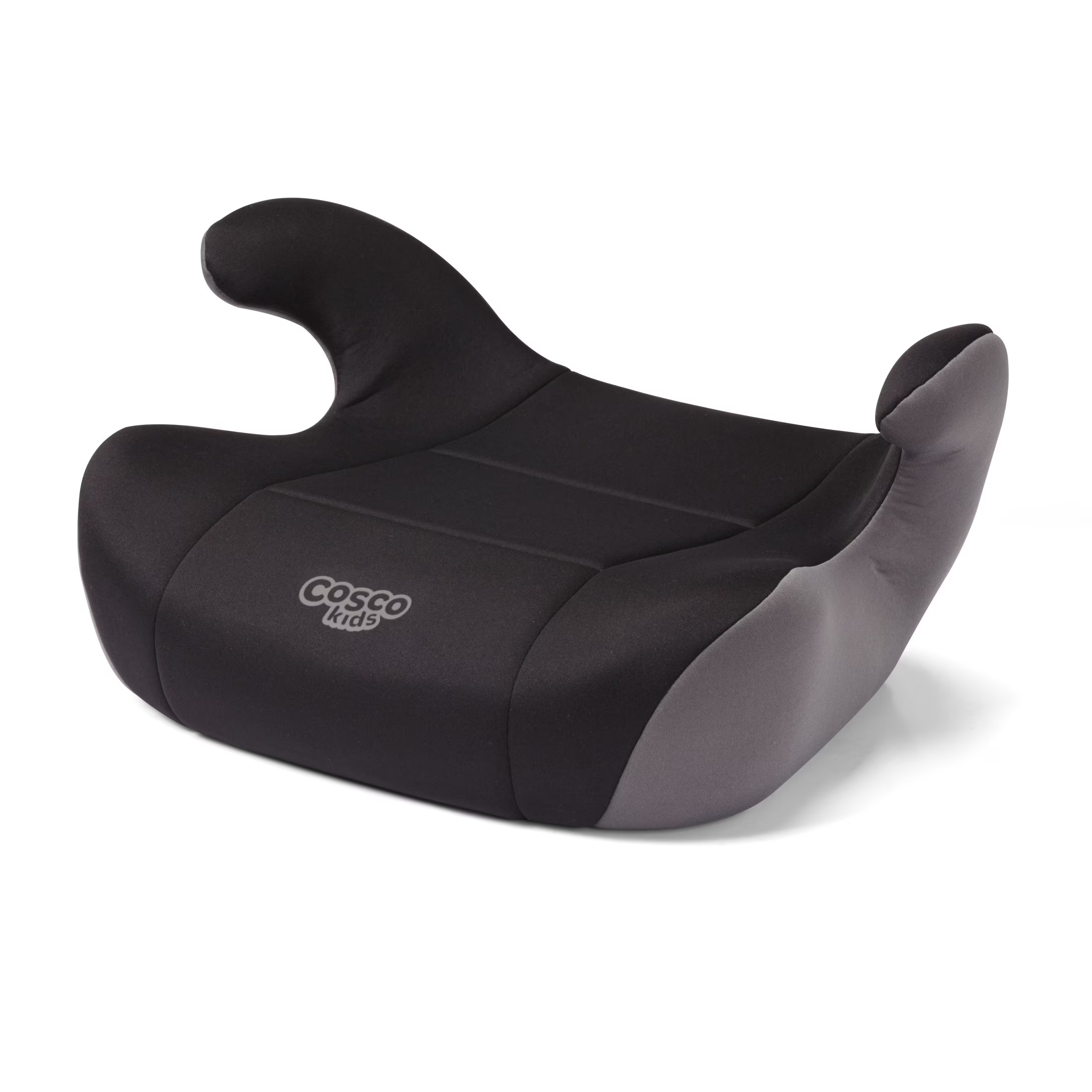
The Cosco Rise LX is one of the lightest backless boosters available at just 2 pounds, and it's also very budget-friendly. You can easily throw it into a larger bag to carry throughout the day.
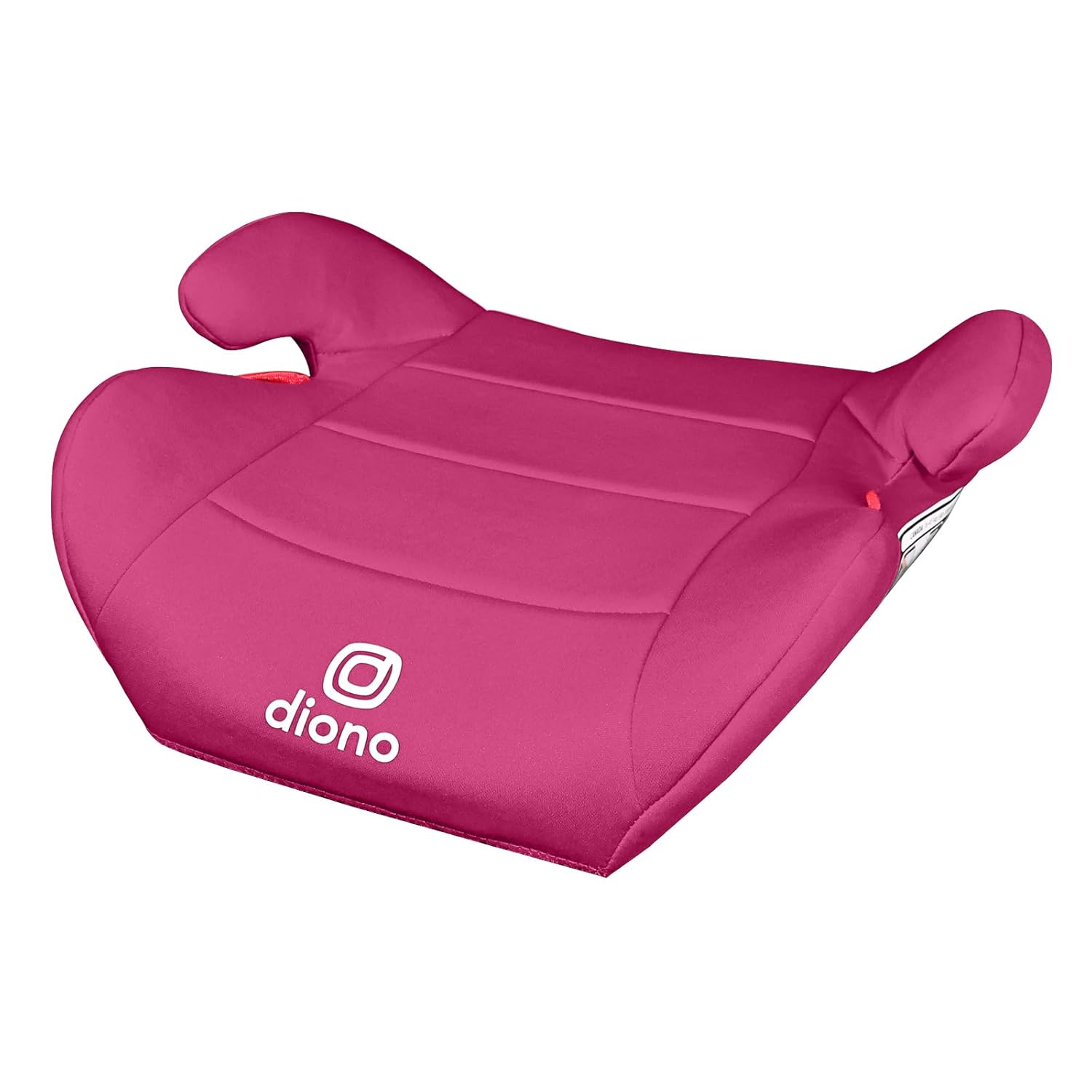
The Diono Solana Lite is one of the newest backless boosters on the market. This booster is just under 2 pounds and 15.2" wide. Like the Cosco Rise, it's an easy option to throw into a bag. It also has a fabric loop that can be attached to the outside of a backpack if you use a carabiner.
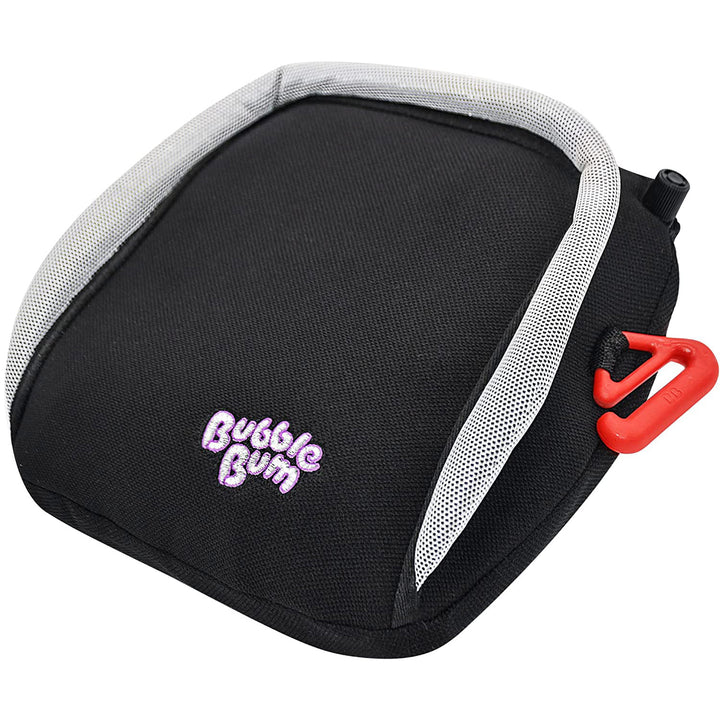
The BubbleBum is an inflatable backless booster, which gives it a big advantage for rideshare families: it can deflate for transport and fit into a backpack or other bag.
That makes it especially convenient for families who need a booster they can carry around all day rather than leave behind in a vehicle. As with any backless booster, your child needs adequate head support from the vehicle seat or head restraint and must be mature enough to maintain proper belt positioning throughout the ride.
How to Install a Car Seat in an Uber, Lyft, or Taxi
Installing a car seat in a rideshare isn't fundamentally different from installing one in another vehicle. The challenge is that you're doing it over and over again in vehicles you've probably never seen before.
A little preparation makes this MUCH easier.
Practice before your first rideshare trip.
You don't want your first attempt at installing the seat to happen on the sidewalk while your Uber driver waits.
Practice in your own vehicle if you have one or try another vehicle belonging to a friend or family member. The more comfortable you are installing the seat in different vehicles, the less stressful rideshare travel will be.
Get really comfortable with the seat belt installation.
Lower anchors can be convenient, but they aren't available in every seating position, and some vehicles may have lower anchors that are challenging to access.
For a rideshare family, knowing how to install your child's seat with the vehicle seat belt gives you much more flexibility.
Read your car seat manual carefully so you know exactly how its seat belt installation works.
Check for movement at the belt path.
Once installed, grab the car seat at the belt path and give it a firm handshake. It should move less than 1 inch from side to side and front to back.
Don't check for movement at the top of a rear-facing car seat. It's normal for many correctly installed rear-facing seats to move there.
Use the top tether for forward-facing harnessed seats.
If your child is forward-facing in a harnessed car seat, locate the vehicle's top tether anchor and attach the tether.
Don't let a waiting driver make you rush.
Give yourself extra time for pickup and focus on getting the installation right.
Your driver may be waiting, traffic may be piling up, and your toddler may be melting down; but none of those things change how the car seat needs to be installed.
Do You Need a Car Seat in an Uber or Lyft?
Car seat laws vary by state, and there may be different rules or exemptions for taxis and rideshare vehicles depending on where you are.
But remember: legal and safe aren't always the same thing.
A taxi exemption doesn't make your child's body respond differently in a crash. We recommend that children use the appropriate car seat or booster on every ride, regardless of whether local law happens to provide an exemption.
If you're traveling somewhere new, check the laws at your destination before your trip.
Can You Request an Uber or Lyft With a Car Seat?
Car-seat-equipped rideshare options are available in some locations. But availability, type of restraint provided, and condition can vary, so this is not an option we recommend in most cases.
For most families, bringing a car seat you already know how to install and use correctly gives you more control over your child's setup.
If you do use a car seat provided through a rideshare service, make sure it's appropriate for your child's age and size and that your child meets all of the restraint's requirements.
What Do You Do With the Car Seat After the Ride?
This is the question that's easy to overlook when you're shopping!
Before buying a car seat for rideshares, think about where you regularly go.
If you're headed to daycare, can you leave the seat there? If you're going sightseeing, will you have a stroller? If you're walking around the city for six hours, are you actually willing to carry the seat you're considering for six hours?
Depending on your child's age, solutions may include:
- A car seat that converts into or attaches to a stroller
- A lightweight seat carried with a travel strap or appropriate bag
- A folding car seat
- A compact booster that fits into a backpack
- A travel vest for an eligible child
- Luggage storage facilities
Don't choose based on weight alone. A slightly heavier seat that's easy to transport may be much more practical than a lighter seat that's awkward to carry.
Finding the Right Car Seat When Rideshare Is Your "Car"
If you don't own a vehicle, your priorities are different and that's okay.
You don't need to know the make and model of the vehicle your car seat will usually ride in because there may not be a usual vehicle. Instead, think about your child's age and size, whether they need to rear-face or can ride forward-facing, how often you'll use the seat, how far you'll carry it, and what you'll do with it at your destination.
The right rideshare car seat isn't necessarily the smallest, lightest, or most expensive option. It's the one that you can transport, install correctly in the vehicles you encounter, and use properly for your child on every ride.
And if you're still overwhelmed by the options, our Car Seat Finder Quiz can help you narrow the list based on your child and family's needs.
Safe Rides, Even Without Your Own Car
Families who rely on Uber, Lyft, taxis, rental cars, and public transportation have different car seat challenges than families who buckle their kids into the same vehicle every morning.
Fortunately, there are options at every stage.
For babies, a baseless infant seat can make rideshare travel relatively simple. Rear-facing toddlers have fewer ultra-portable choices, so lightweight convertible seats can be especially valuable. Once kids are ready for forward-facing travel and eventually boosters, folding seats, travel vests, and compact boosters make getting around much easier.
Whatever you choose, practice installing it before you need it, know how to use the vehicle seat belt installation, and have a plan for what you'll do with the seat once the ride is over.
Because the best car seat for a rideshare family isn't just one that fits in the Uber; it's one that works for everything that happens after you get out.
Affiliate links are included above. Safe in the Seat earns a small commission when you purchase through these links at no cost to you. We so appreciate your support.